A roof rarely gets much attention when everything seems fine. Most homeowners think about it only after a leak appears, shingles land in the yard, or a storm leaves visible damage behind. By then, the problem is usually more expensive, more disruptive, and more stressful than it needed to be.
That is why proactive roof maintenance matters so much, especially in places where heat, wind, hail, and sudden weather swings put constant pressure on a home’s exterior. A well-maintained roof is not just about avoiding repairs. It is about protecting the structure beneath it, extending the life of your materials, and making smarter decisions before minor issues turn into major ones.
Roof Problems Usually Start Small
Most serious roofing issues do not begin with a dramatic collapse or an obvious opening in the ceiling. They often start with something subtle: a lifted shingle, worn flashing, granule loss, clogged drainage, or a weak area around a vent or chimney.
These smaller warning signs are easy to overlook because they do not always create immediate indoor symptoms. But once moisture finds a way in, the damage can spread far beyond the roof deck. Insulation can become compromised, wood can weaken, and interior finishes may eventually show staining or mildew.
Routine maintenance helps catch these early-stage issues while they are still manageable. That makes a big difference in cost, scope, and peace of mind.
See also: Keep Your Home Efficient: Why Furnace Maintenance Matter
Weather Exposure Adds Up Over Time
Homes in storm-prone regions face more than one type of roofing stress. Even when there is no major weather event, daily exposure still takes a toll.
Common sources of wear include:
- High UV exposure that accelerates material aging
- Strong winds that loosen shingles or flashing
- Hail that bruises or cracks roofing surfaces
- Heavy rain that tests drainage performance
- Debris from nearby trees
- Temperature swings that cause expansion and contraction
Each of these factors may seem minor on its own. Together, they gradually reduce the roof’s ability to perform as intended. That is one reason two roofs installed in the same year can age very differently depending on maintenance, ventilation, drainage, and local conditions.
Maintenance Is About More Than Repairs
When homeowners hear the phrase “roof maintenance,” they often picture patch jobs or emergency fixes. In reality, good maintenance is broader and more strategic than that.
A thoughtful maintenance approach typically includes inspection, cleaning, documentation, and preventive corrections. The goal is not just to fix what is broken. It is to reduce the chance of future damage and help the roof system perform consistently over time.
A strong maintenance routine often includes:1. Visual inspections
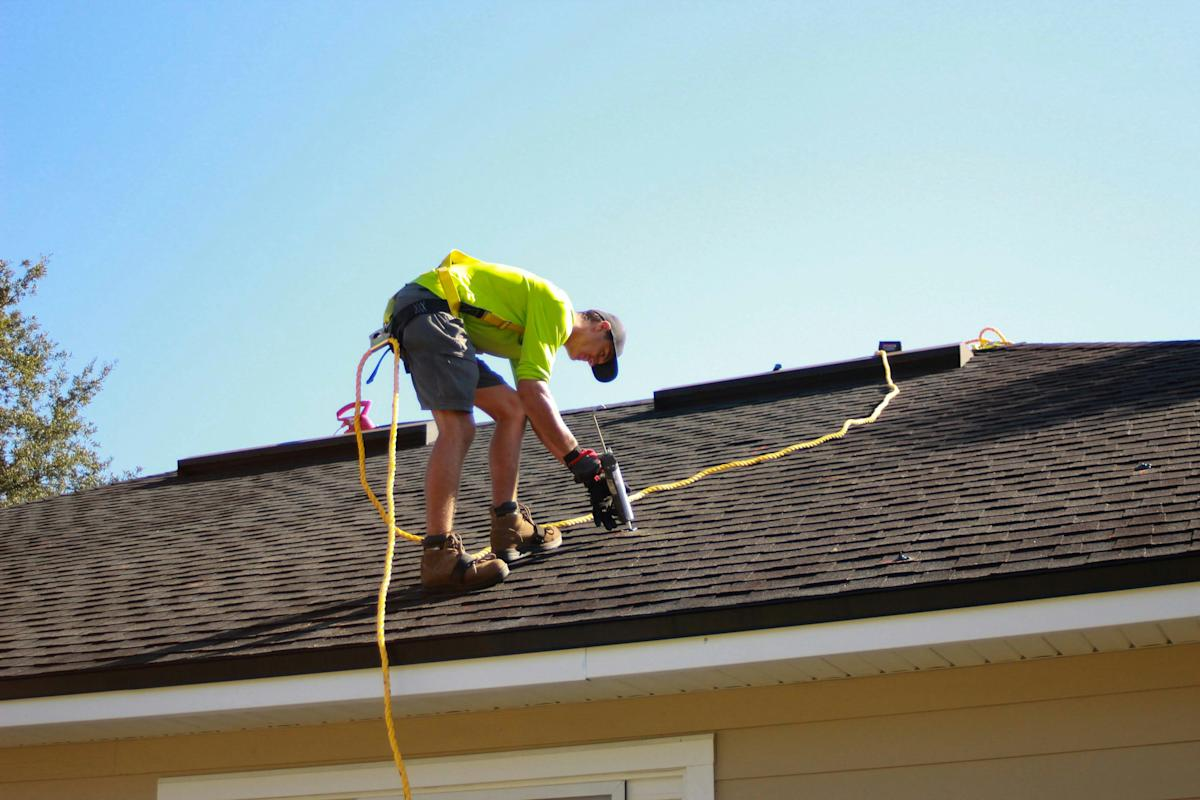
Regular inspections help identify missing shingles, damaged sealant, flashing issues, soft spots, and signs of storm impact.
2. Drainage checks
Gutters, downspouts, and roof valleys need to move water away efficiently. When drainage gets blocked, standing water and overflow can shorten the life of both roofing and exterior materials.
3. Flashing evaluation
Roof penetrations are common failure points. Areas around skylights, vents, walls, and chimneys need to stay properly sealed and secured.
4. Ventilation review
Poor attic ventilation can trap heat and moisture, increasing energy strain and accelerating roof deterioration from below.
5. Minor corrections before they escalate
Small fixes completed at the right time can prevent far larger restoration needs later.
The Cost of Waiting Is Often Higher
One of the biggest mistakes property owners make is assuming that no visible leak means no real issue. Roof systems can hide damage for a long time. Water can travel, collect, and affect materials before it appears inside the home.
Delaying attention can lead to:
- More extensive repair work
- Premature roof replacement
- Interior water damage
- Mold or moisture-related problems
- Insurance complications if damage worsens over time
- Increased stress during future storms
In contrast, proactive maintenance gives homeowners better control over timing and budgeting. Instead of reacting under pressure, they can make informed decisions based on the actual condition of the roof.
Storm Season Is Easier When You Are Prepared
After a major storm, roofing companies are busy, inspections are in high demand, and homeowners are often trying to make fast decisions. That is not the ideal moment to start learning about the condition of your roof for the first time.
A roof that has been maintained and inspected regularly is much easier to evaluate after severe weather. You already have a baseline. You know whether there were prior weak points. You can distinguish between new storm-related damage and older wear.
That preparation helps in several ways:
- It speeds up next-step decisions
- It reduces guesswork
- It improves communication during inspections
- It helps homeowners respond calmly instead of urgently
For many property owners, preparedness is the hidden value of maintenance. It is not just about what happens before a storm. It is also about how much smoother the process feels afterward.
Choosing the Right Roofing Partner Matters
Not all roofing support is the same. Maintenance is most valuable when it comes from professionals who understand the full roofing system, local weather patterns, and the practical differences between repair, restoration, and replacement.
Homeowners should look for a contractor that emphasizes clear communication, detailed inspections, and realistic recommendations. The best long-term relationships are built on trust, not pressure.
A reliable roofing company should help property owners understand:
- What condition the roof is currently in
- Which issues need immediate action
- Which items should be monitored over time
- How maintenance can extend service life
- When replacement is truly the better option
For homeowners who want a better sense of what professional roofing support can look like, idealprecisionroofing.com offers useful context around residential roofing, repairs, storm-related concerns, and exterior protection.
A Roof Performs Best When It Is Not Ignored
The strongest roofs are not necessarily the ones that never face wear. They are the ones that receive timely attention, proper upkeep, and smart decision-making throughout their lifespan.
Proactive roof maintenance is one of the most practical ways to protect a home without waiting for visible damage to force action. It supports durability, helps prevent avoidable repairs, and gives homeowners a clearer understanding of one of the most important systems on their property.
When maintenance becomes part of a regular home care routine, roofing decisions become less reactive and more strategic. That shift can save money, reduce stress, and help a home stay better protected year after year.