Bright Overhead: Where Polycarbonate Roof Domes Make Sense and What to Check Before Installation

Natural light can make a noticeable difference in buildings with large roof areas and limited windows. Warehouses, workshops, offices, stairwells, commercial premises, and extensions can all benefit from bringing daylight in from above.
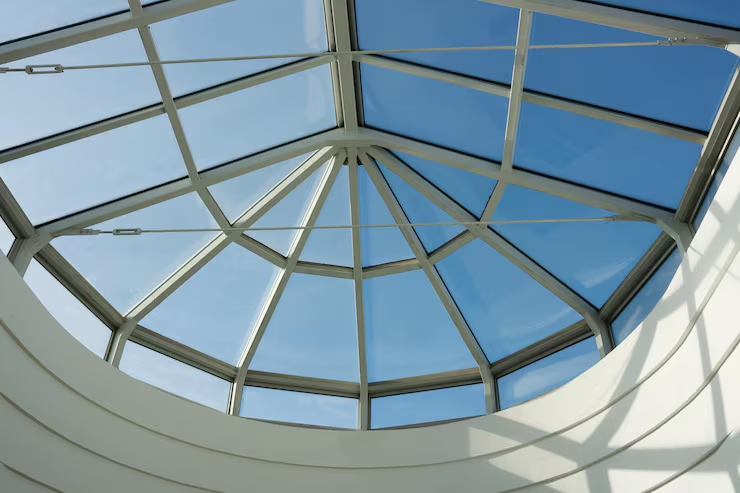
Polycarbonate roof domes are one option for achieving this. Their curved profile allows daylight to enter from different angles, while polycarbonate provides a combination of impact resistance, relatively low weight, and durability.
The right dome still needs careful specification. Roof construction, glazing performance, drainage, insulation, safety, and installation all affect how well the finished system performs.
Why Choose a Roof Dome?
A roof dome sits above the roof surface rather than remaining completely flat.
Its curved shape can capture daylight from multiple directions, which can be useful as the sun moves across the sky.
This makes roof domes particularly common on flat and low-pitched roofs where conventional vertical windows may provide limited natural illumination.
The shape can also help rainwater run away from the glazing rather than collecting on a flat surface.
Polycarbonate Is Built for Tough Conditions
Polycarbonate is widely used in roofing and glazing applications because it combines low weight with good impact resistance.
This can make it suitable for commercial and industrial buildings where roof glazing may be exposed to weather, accidental impacts, or maintenance activity.
Different grades and configurations are available, so the term “polycarbonate” does not describe one identical product.
UV resistance, thickness, colour, light transmission, fire characteristics, and thermal properties can vary between systems.
The product should be selected according to the building’s requirements rather than simply choosing the lowest-cost option.
Clear or Diffused: Which Is Better?
Polycarbonate roof domes can be supplied in different finishes.
Clear glazing allows strong daylight and can provide a more direct view of the sky. Diffused options spread light more evenly and can reduce harsh bright spots.
The best choice depends on what happens underneath the roof.
A warehouse may benefit from evenly distributed daylight across storage and work areas, while a domestic extension may prioritise a brighter visual connection with the outdoors.
Glare should also be considered, particularly where people work beneath the dome.
Heat Gain Needs Attention
A roof dome can introduce significant sunlight into a building.
That can be useful during colder periods but may contribute to overheating during hot weather.
The amount of heat entering the building depends on the dome’s size, glazing specification, orientation, building location, and surrounding shade.
Solar-control materials or diffused glazing can help manage excessive solar gain.
For larger commercial buildings, the rooflight design should be considered alongside ventilation and cooling requirements.
Roof Domes Can Reduce Artificial Lighting
One of the main reasons businesses install roof glazing is to make greater use of natural daylight.
A well-distributed system of polycarbonate roof domes can reduce the need for electric lighting during suitable daylight hours.
The actual savings depend on the building’s operating schedule, existing lighting system, rooflight coverage, local daylight conditions, and electricity costs.
Lighting controls can improve the result. Sensors can reduce artificial lighting when adequate daylight is available rather than keeping every fitting operating at full output.
Installation Starts With the Roof
A roof dome is only as reliable as the opening and surrounding roof construction.
The roof needs to be checked before installation to determine where the dome can be positioned safely.
Structural members, insulation, drainage, existing services, and the roof covering can all influence the installation.
The dome’s kerb or upstand should be compatible with the roof system and provide a suitable base for weatherproofing.
Waterproofing Is Critical
Any roof penetration creates a potential point for water ingress.
The dome, kerb, flashing, seals, fixings, and roof membrane need to form a properly integrated system.
Water should drain away from the dome rather than being allowed to pool around its base.
Incorrect installation can result in leaks that damage insulation, ceilings, electrical systems, stock, or internal finishes.
Following the manufacturer’s installation requirements is essential.
Flat Roofs Are a Common Application
Flat roofs often have limited opportunities for conventional windows, making roof domes a practical daylighting option.
They can be used on extensions, garages, warehouses, workshops, retail buildings, offices, and other structures.
Several smaller domes may sometimes distribute daylight more evenly than one large unit.
The final arrangement should be based on the room dimensions and the areas that actually need additional illumination.
Consider Safety and Fire Requirements
Roof glazing products need to meet the safety and building requirements applicable to the property.
The appropriate specification can depend on the building’s occupancy, location, roof construction, and use.
Commercial and industrial properties may have additional requirements because of the type and quantity of materials stored inside.
Fire performance should be reviewed before selecting the product, particularly where rooflights form a significant part of the building envelope.
Maintenance Keeps the Dome Clear
Dirt and environmental debris can gradually reduce the amount of light entering through a roof dome.
Leaves, dust, pollution, algae, and other deposits may accumulate depending on the surrounding environment.
Regular inspections can also identify cracked glazing, damaged seals, loose fixings, or deterioration around the roof opening.
Cleaning should be performed using methods suitable for the particular polycarbonate material. Harsh chemicals or abrasive tools may damage some surfaces.
Roof access should always be handled with appropriate safety equipment and procedures.
Replacing Old Roof Domes
Older domes may become cloudy, brittle, discoloured, or damaged after years of exposure.
Replacing deteriorated roof glazing can restore daylight transmission and provide an opportunity to improve thermal performance.
Before replacement, the surrounding roof should be inspected. There is little value in installing a new dome if the roof around it is already suffering from significant deterioration.
Combining roof maintenance with dome replacement can sometimes reduce disruption and access requirements.
See also: Choosing the Right Commercial Linen for Hospitality Businesses
Match the Dome to the Building
A small residential extension has very different requirements from a large industrial warehouse.
For a home, appearance, thermal comfort, glare, and daylight quality may dominate the decision. For a commercial building, durability, energy use, maintenance access, fire performance, and daylight distribution may be equally important.
The correct polycarbonate roof domes should therefore be selected as part of the wider roof design.
A properly specified and installed dome can bring useful natural light into areas that would otherwise depend heavily on artificial illumination while providing a durable roof glazing solution.