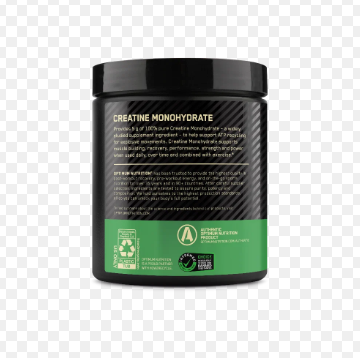
Buying a sports supplement involves more than choosing the most attractive tub. Product quality, ingredient transparency, storage, authenticity, and suitability for your training goals all matter. This is especially important when comparing creatine in Saudi Arabia, where shoppers can find products through gyms, supplement stores, pharmacies, and online marketplaces. Knowing what to check before paying can help you avoid questionable products and select a reliable option that fits your fitness routine.
Start With the Ingredient List
A good buying decision begins with the label. Creatine monohydrate is the most widely studied form and is commonly used by people who want to support strength, power, and high-intensity exercise performance. Other forms may be marketed with claims about improved absorption or additional benefits, but a more complicated formula is not automatically a better one.
Look at the supplement facts panel and identify the exact form and quantity of creatine per serving. If the product contains a long list of proprietary ingredients, stimulants, or unnecessary blends, make sure you understand why they are included. A straightforward formula can make it easier to track your intake and compare products.
See also: The Life Skills Gained Through Youth Basketball Training
Check the Serving Information
Serving size can make two products with similar-looking containers surprisingly different. One brand may define a serving as several grams, while another may use a smaller scoop. Instead of judging value by container size, compare the total amount of creatine provided.
The label should make the dosage clear rather than forcing you to guess how much the scoop contains. For most healthy adults, daily creatine use is commonly discussed around 3 to 5 grams, although individual needs can vary. A loading phase is optional. Anyone with a medical condition, pregnancy, or concerns about supplement use should speak with a qualified healthcare professional before starting.
Prioritize Third-Party Testing and Quality Signals
Supplement labels can tell you what a manufacturer claims to put into a product, but independent testing can provide a layer of confidence. Look for reputable quality certifications or evidence of third-party testing when available. Testing may address factors such as identity, purity, potency, and contamination.
Not every product will carry the same certification, so learn what a displayed seal actually represents rather than treating every logo as proof of superior quality. Transparent manufacturers should also provide clear company information, ingredient details, batch or lot identification, and appropriate contact channels.
Verify Authenticity Before Buying
Popular supplements can attract counterfeiters, particularly when products are sold through multiple online channels. A suspiciously low price deserves closer attention, especially if the seller provides limited information about the product.
Check the packaging for spelling errors, broken seals, inconsistent printing, missing batch details, or labels that appear different from the manufacturer’s usual presentation. If a brand provides a verification code or authentication system, use it. Buying from an established retailer or an authorized seller can also reduce the risk of receiving an imitation.
Consider Storage and Local Conditions
Creatine powder is generally convenient to store, but supplements still need sensible handling. Heat, humidity, and moisture can affect product condition over time. In Saudi Arabia’s hot climate, storage becomes an especially practical consideration when products are transported or kept in poorly controlled environments.
Choose products that arrive properly sealed and inspect the container before opening it. Follow the manufacturer’s storage instructions, keep the product dry, and avoid leaving it in a hot car or another place exposed to excessive heat. A reliable seller should have reasonable practices for storing and transporting supplements before they reach the customer.
Compare Value, Not Just Price
The cheapest tub is not necessarily the most economical choice. Compare price against the amount of active ingredient, number of servings, product quality, seller reliability, and any independent testing available.
For example, a larger container may appear expensive at first but provide a lower cost per daily serving. Conversely, a discounted product with an unusually small amount of usable creatine may not offer much value. Calculating cost per gram can provide a clearer comparison than relying on the sticker price alone.
Think About Your Training Needs
Creatine is not a substitute for structured training, adequate nutrition, hydration, or sleep. It is better viewed as one component of a broader fitness routine. People involved in resistance training, sprinting, or other repeated high-intensity activities may be particularly interested in creatine’s established role in supporting performance.
Your choice should therefore reflect how you train. There is little reason to pay extra for ingredients you do not need. If your goal is a simple, trackable supplement routine, a clearly labeled product with a known creatine content may be easier to use consistently.
Do Not Get Distracted by Marketing
Bright packaging and dramatic claims can make a supplement look more advanced than it really is. Words such as “ultimate,” “instant,” or “maximum” are marketing language, not a guarantee of effectiveness. Read the evidence behind the ingredients rather than choosing based on advertising.
Be cautious when a product promises unusually rapid muscle growth, guaranteed results, or benefits that sound too broad. A sensible supplement decision is grounded in realistic expectations and consistent use.
A Smarter Way to Shop
Before buying, run through a simple check: identify the creatine form, confirm the amount per serving, inspect the ingredient list, check quality information, verify authenticity, review storage conditions, compare cost per gram, and assess whether the product suits your training goals. This approach takes only a few minutes but can make your purchase considerably more informed.
Conclusion
Selecting a creatine workout supplement should come down to quality, transparency, authenticity, value, and suitability rather than eye-catching packaging or heavy promotions. Shoppers in Saudi Arabia can make more informed choices by reading labels carefully, checking product details, and buying from reliable sources. A suitable supplement can become a practical part of a consistent training routine when supported by proper exercise, nutrition, recovery, and hydration.
For shoppers looking to compare reliable options, GetKuwa provides a convenient platform to explore sports nutrition products and make purchasing decisions with greater confidence. Taking a few extra minutes to assess a product before checkout can help turn a routine supplement purchase into a more considered choice.