Outdoor power equipment works hard through changing weather, dusty jobs, and long storage periods. Whether you maintain a small yard, garden, acreage, or commercial property, a seasonal routine can help mowers, trimmers, blowers, chainsaws, snow equipment, and other tools start more reliably and operate more safely. If you are comparing lawn mowers for sale in Midvale, it is also useful to plan for the routine care that protects any new or existing machine.
The most effective maintenance plan is not complicated. It combines short inspections before use, cleaning after use, and a few more detailed checks when the seasons change. Always use the owner’s manual as the final authority for your specific model, including its recommended oil, fuel, service intervals, replacement parts, and storage procedures.
Why Seasonal Care Matters
Dirt, moisture, stale fuel, heat, and freezing temperatures can all shorten the useful life of outdoor equipment. Grass packed beneath a mower deck can hold moisture against metal parts. Dust can restrict airflow around an engine or clog an air filter. Old gasoline can make a machine difficult to start, while loose hardware, worn belts, or damaged guards can turn an ordinary task into a safety concern.
Small tasks have an outsized effect. Keeping filters clean, blades sharp, tires properly inflated, and shields securely installed helps equipment perform as intended. Before operating a mower, review mower safety guidance emphasizing clearing the area of people and debris, keeping children away, and shutting down the equipment before addressing a problem.
See also: The Life Skills Gained Through Youth Basketball Training
Spring Startup Checks
Spring is the right time for a deliberate inspection before the first busy mowing, planting, or cleanup weekend. Begin with the machine turned off, cooled down, and placed on stable ground.
- Inspect the frame, deck, handles, and attachments for rust, cracks, loose fasteners, and missing or damaged guards.
- Check the oil level, and change old oil if the manual calls for seasonal replacement.
- Examine the spark plug, air filter, belts, cables, fuel lines, and primer bulb for visible wear.
- Test the starter, brake, throttle, safety switches, and controls before beginning work.
- Remove dried grass, leaves, dust, and nesting material from vents, cooling fins, and the underside of the deck.
- Sharpen or replace blades that are nicked, bent, excessively worn, or producing ragged cuts.
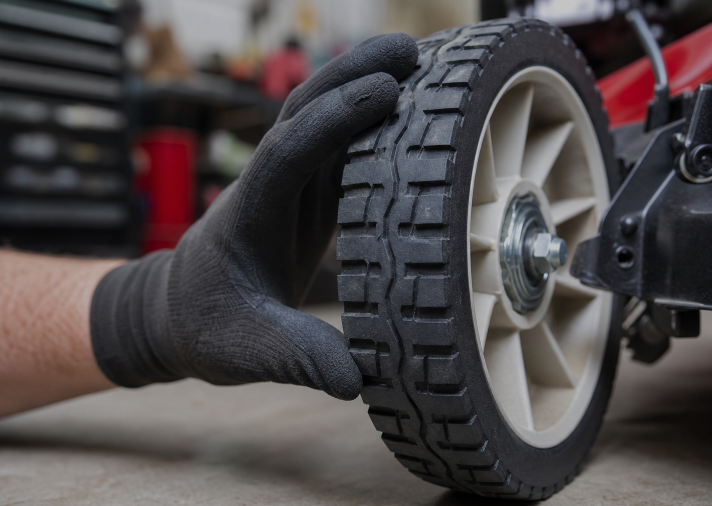
Do not overlook tires and wheels. Low pressure can affect traction and cut quality, while damaged wheels or loose axle hardware can make equipment difficult to control. Use only the pressure range and replacement parts specified by the manufacturer.
Summer Care and Daily Use
Heat places added strain on engines, batteries, belts, and cooling systems. Before each use, take a minute to check oil, fuel, tire condition, and debris buildup. Look beneath guards and around vents for grass clippings, dirt, or string that could restrict movement or airflow.
During long work sessions, allow equipment to cool periodically, especially when it is operating under heavy load. Avoid mowing wet grass when possible because it can clog the deck, reduce traction, and increase the risk of slipping. Wear eye protection, hearing protection, sturdy closed-toe shoes, and close-fitting clothing. Gloves can be useful for handling tools, but they should not interfere with a secure grip on controls.
Fall Preparation Steps
Fall cleanup introduces its own set of demands. Leaves, damp soil, twigs, and garden debris can collect quickly inside blowers, vacuums, trimmers, mower decks, and trailers. Remove buildup after use rather than letting it harden or trap moisture for days.
Inspect blowers, trimmers, chainsaws, pruning tools, and collection systems for worn cutting line, dull chains, cracked bags, damaged guards, and loose handles. Check extension cords for cuts, crushed sections, or exposed conductors. For cordless equipment, inspect battery packs and chargers before putting them through frequent seasonal use.
Winter Storage Basics
Proper storage prevents many springtime headaches. Choose a dry, well-ventilated area, and keep machines away from heaters, open flames, pilot lights, and other ignition sources. Clean equipment thoroughly, let it cool completely, and remove material that could retain moisture.
- Follow the manual’s instructions for fuel stabilization or fuel removal before extended storage.
- Store batteries in a cool, dry place protected from water, severe heat, and freezing moisture.
- Cover equipment only after cleaning and cooling it, using a cover that does not trap excessive moisture.
- Secure sharp tools and attachments so they cannot fall, roll, or create a trip hazard.
- Keep fuel containers sealed, upright, clearly labeled, and stored in accordance with local safety requirements.
Fuel and Battery Care
Gasoline-Powered Equipment
Old fuel can contribute to hard starts, rough running, and clogged fuel-system passages. Use the fuel type recommended for the engine, and mix two-stroke fuel and oil only at the manufacturer’s specified ratio. Pay attention to small-equipment emissions information when considering why fuel-system condition, sealed containers, and proper operation matter for gasoline-powered tools.
Electric and Battery-Powered Equipment
Battery-powered tools need clean, dry contacts and undamaged chargers. Do not use a battery that is swollen, leaking, cracked, unusually hot, or physically damaged. Similarly, retire frayed charging cables and cracked plugs. Charge and store battery packs according to the manual, rather than leaving them in direct sunlight, in a wet shed, or in an area with significant temperature fluctuations.
A Simple Safety Checklist
Before starting any outdoor machine, run through this quick checklist:
- Read the owner’s manual and understand the controls.
- Clear people, pets, toys, rocks, branches, and other obstacles from the work area.
- Check guards, shields, handles, tires, cables, and controls.
- Turn off the engine before clearing clogs or removing debris.
- Disconnect the spark plug wire or battery before service when the manual directs you to do so.
- Never bypass a safety switch or operate equipment with protective parts missing.
- Allow hot equipment to cool before refueling, cleaning, transporting, or storing it.
When to Call a Service Professional
Stop using the equipment and seek qualified service if you notice repeated stalling, fuel leaks, smoke, unusual vibration, grinding sounds, poor braking, electrical faults, or a failed safety switch. Blade balancing, carburetor work, internal engine repairs, complex belt replacement, and electrical diagnosis may require specialized tools and training. Routine cleaning is manageable for many owners, but repairs should follow the manual and appropriate local safety practices.
Final Equipment Check
Seasonal care works best when it becomes a habit rather than a once-a-year project. A short inspection before use, careful cleaning afterward, and thoughtful storage between seasons can help outdoor equipment remain safer, more dependable, and ready for the next job.