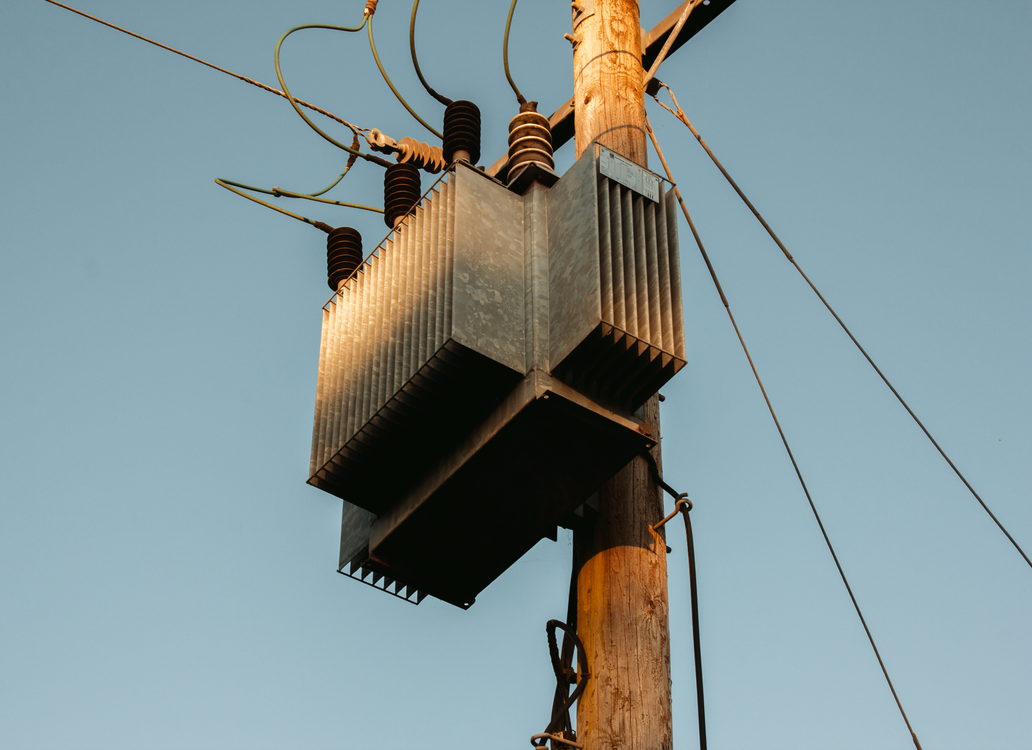
Investing in the right electrical equipment is essential for businesses, industrial facilities, and commercial establishments that rely on uninterrupted power distribution. Among the many components of an electrical system, a 15 kVA single phase transformer plays a vital role in delivering safe and efficient voltage conversion for a variety of applications. While performance and reliability are critical considerations, understanding the 15 kVA single phase transformer price is equally important when planning a cost-effective investment.
Price should never be viewed as the only deciding factor. A transformer that offers superior build quality, energy efficiency, and long service life often delivers greater value over time than a lower-priced alternative. By evaluating performance, durability, efficiency, and maintenance requirements alongside the purchase price, buyers can make informed decisions that support both operational reliability and long-term savings.
Understanding the Value Behind Transformer Pricing
The cost of a transformer reflects much more than its power rating. Several technical and manufacturing factors influence pricing, making it important to assess the complete value rather than comparing products solely on their initial purchase cost.
A premium-quality transformer is designed to provide dependable performance for years, minimizing downtime, reducing maintenance requirements, and improving the efficiency of electrical systems.
When evaluating pricing, businesses should consider the total ownership cost instead of focusing only on the upfront investment.
See also: The Life Skills Gained Through Youth Basketball Training
Why Investing in Quality Matters
Electrical equipment operates continuously in many commercial and industrial environments. Choosing a high-quality transformer can significantly improve operational stability while reducing unexpected repair expenses.
Some of the long-term advantages include:
- Reliable voltage regulation
- Reduced energy losses
- Longer service life
- Lower maintenance costs
- Improved equipment protection
- Better operational efficiency
- Enhanced electrical safety
Although premium transformers may involve a higher initial investment, they often provide better financial returns throughout their operational lifespan.
Factors That Influence 15 kVA Single Phase Transformer Price
Several variables contribute to the overall pricing of a transformer. Understanding these factors helps buyers evaluate whether a particular model offers genuine value.
Core Material Quality
The transformer core is one of the most important components affecting efficiency and performance.
High-grade core materials reduce magnetic losses, improve energy efficiency, and contribute to quieter operation. Premium core construction typically increases manufacturing costs while delivering long-term operational benefits.
Copper or Aluminum Windings
Transformer windings are generally manufactured using copper or aluminum conductors.
Copper windings are often preferred because they provide:
- Higher electrical conductivity
- Better thermal performance
- Improved mechanical strength
- Greater durability
- Longer operational life
These advantages can influence overall pricing but frequently result in lower maintenance requirements over time.
Insulation System
Quality insulation protects transformer windings from electrical stress, moisture, and heat.
Advanced insulation materials improve reliability under demanding operating conditions and extend the transformer’s service life.
Investing in durable insulation contributes to consistent long-term performance.
Manufacturing Standards
Precision manufacturing ensures proper assembly, accurate voltage ratios, and dependable electrical performance.
Strict quality control processes help produce transformers that deliver reliable operation throughout years of continuous service.
Comparing Initial Cost and Lifetime Value
Many buyers naturally focus on the purchase price during procurement. However, evaluating the complete lifecycle cost often provides a more accurate picture of value.
A transformer with lower energy losses may reduce electricity consumption over thousands of operating hours.
Similarly, equipment requiring fewer repairs contributes to lower maintenance expenses and less operational disruption.
When viewed over many years of service, premium equipment frequently offers greater financial efficiency despite a higher upfront cost.
Commercial Applications That Benefit from Premium Transformers
A 15 kVA single phase transformer supports reliable power distribution across numerous commercial sectors.
Office Buildings
Business offices rely on dependable electrical systems for computers, networking equipment, lighting, printers, and communication infrastructure.
Consistent voltage helps maintain uninterrupted daily operations.
Retail Establishments
Retail environments require reliable electricity for:
- Payment systems
- Refrigeration
- Display lighting
- Security equipment
- Digital signage
Stable power supports both customer experience and operational continuity.
Healthcare Facilities
Medical equipment often requires dependable electrical performance to ensure accurate operation.
Reliable transformers help maintain consistent voltage for diagnostic devices, laboratory instruments, and administrative systems.
Educational Institutions
Schools, colleges, and training centers operate extensive electronic equipment throughout classrooms, laboratories, and administrative offices.
Proper voltage regulation helps protect valuable educational resources.
Features That Add Long-Term Value
Rather than focusing exclusively on price, buyers should consider features that contribute to overall performance.
Energy Efficiency
Efficient transformers reduce core and winding losses, lowering electricity consumption throughout daily operation.
Reduced energy waste supports sustainable business practices while helping control operating expenses.
Robust Construction
Durable enclosures, high-quality insulation, and precision manufacturing enhance resistance to environmental conditions and continuous electrical loads.
Strong construction contributes directly to longer equipment life.
Thermal Performance
Effective heat management is essential for maintaining transformer efficiency.
Premium transformers are designed to dissipate heat efficiently, reducing stress on internal components during prolonged operation.
Choosing the Right Transformer for Your Requirements
Selecting the most suitable transformer involves evaluating operational requirements as well as budget considerations.
Determine Load Capacity
Accurately calculating connected electrical load helps ensure the transformer operates within its rated capacity.
Avoiding overload conditions contributes to better performance and longer service life.
Verify Voltage Requirements
Confirm both primary and secondary voltage specifications before purchasing.
Correct voltage matching ensures safe and efficient integration into existing electrical systems.
Consider Future Expansion
Businesses often expand their electrical infrastructure over time.
Planning for future capacity requirements may prevent premature equipment replacement and additional installation costs later.
Maintenance and Its Impact on Overall Cost
Routine maintenance plays an important role in maximizing transformer lifespan and protecting your investment.
Recommended maintenance activities include:
- Visual inspections
- Tightening electrical connections
- Cleaning ventilation openings
- Monitoring operating temperature
- Checking insulation condition
- Scheduling periodic electrical testing
Preventive maintenance reduces the likelihood of costly repairs while maintaining reliable performance.
Common Mistakes Buyers Should Avoid
Purchasing electrical equipment without careful evaluation can result in unnecessary expenses and operational challenges.
Some common mistakes include:
Selecting Based Only on Price
The lowest-priced option may not provide the best long-term value if it lacks efficiency, durability, or quality construction.
Ignoring Installation Requirements
Improper installation can reduce transformer performance and create safety risks.
Professional installation helps ensure compliance with electrical standards and reliable operation.
Overlooking Energy Efficiency
Energy losses accumulate over years of operation.
Choosing an efficient transformer can significantly reduce long-term operating costs.
Purchasing Without Considering Future Needs
Businesses expecting growth should evaluate whether future electrical demand may require additional capacity or system upgrades.
Planning ahead often results in more economical long-term investments.
Benefits of Investing in Premium Quality
Premium transformers deliver advantages that extend well beyond reliable voltage conversion.
These benefits include:
- Extended equipment lifespan
- Lower maintenance expenses
- Greater operational reliability
- Improved energy efficiency
- Enhanced electrical safety
- Better return on investment
- Reduced downtime
- Consistent commercial performance
Together, these advantages contribute to a stronger and more dependable electrical infrastructure.
Maximizing Return on Investment
A transformer should be viewed as a long-term asset rather than a short-term purchase.
Businesses can maximize return on investment by:
- Selecting appropriate capacity
- Choosing quality construction
- Following maintenance schedules
- Ensuring professional installation
- Operating within recommended load limits
- Monitoring system performance regularly
These practices help maintain reliable operation while extending equipment service life.
Conclusion
When evaluating the 15 kVA single phase transformer price, it is important to look beyond the initial purchase cost and consider the overall value the equipment provides throughout its operational life. Premium transformers combine efficient performance, durable construction, reliable voltage regulation, and reduced maintenance requirements to deliver dependable power distribution for commercial and industrial applications.
By investing in quality, businesses gain more than a transformer—they gain a reliable electrical solution that supports productivity, protects valuable equipment, and contributes to lower operating costs over the long term. Careful selection based on performance, efficiency, and lifecycle value ensures that your investment continues to deliver dependable results for many years to come.