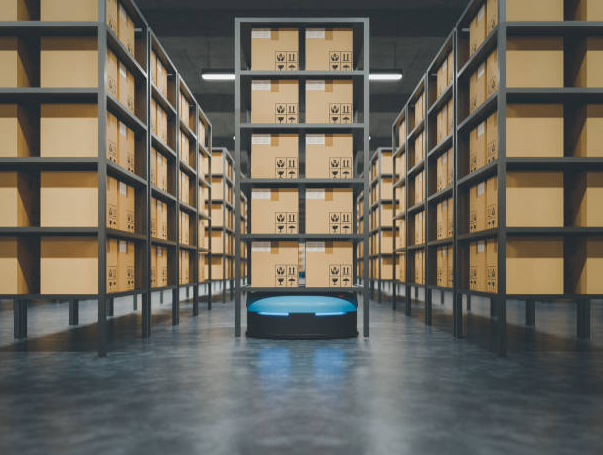
Warehouse operations are evolving rapidly as businesses seek greater efficiency, higher storage capacity, and improved productivity. While automation and digital technologies often receive the spotlight, the physical structure of a warehouse plays an equally important role in long-term performance. Many older facilities were not designed to support modern equipment, advanced workflows, or an upgraded warehouse racking system. As a result, structural modifications have become a practical solution for organisations looking to modernise their facilities without relocating.
From strengthening building infrastructure to improving layouts and preparing for automation, structural upgrades help businesses maximise the value of their existing assets. Working with an experienced construction management company ensures these improvements are carefully planned, efficiently executed, and aligned with future operational goals. Companies such as MTLI Group help businesses modernise warehouses through strategic structural solutions that support sustainable growth.
Why Structural Modifications Are Essential for Warehouse Modernisation
Modern warehouses require flexible spaces that can accommodate changing inventory levels, advanced equipment, and evolving business processes. Structural modifications provide the foundation needed to support these operational improvements while extending the lifespan of existing facilities.
Rather than investing in an entirely new building, businesses can often achieve significant operational gains by upgrading key structural elements that directly impact warehouse performance.
See also: The Life Skills Gained Through Youth Basketball Training
Strengthening Buildings for Modern Operations
Warehouse demands continue to increase as businesses process larger inventories and higher order volumes. Structural improvements allow facilities to safely support heavier equipment, additional storage, and expanded operational activities.
Common structural upgrades include:
- Reinforcing concrete floors
- Strengthening structural steel
- Expanding loading dock areas
- Increasing ceiling clearance
- Preparing foundations for automation
These improvements create a more resilient facility that is better equipped to meet future business requirements.
Supporting an Efficient Warehouse Racking System
A modern warehouse racking system relies on a stable and properly engineered building. Structural modifications ensure floors, columns, and supporting infrastructure can safely accommodate high-density storage solutions and heavier pallet loads.
By planning building improvements alongside storage upgrades, businesses improve inventory accessibility while creating safer and more efficient warehouse environments. MTLI Group regularly supports projects that integrate structural enhancements with advanced storage solutions.
Improving Warehouse Layout and Operational Flow
Warehouse efficiency depends heavily on how products move throughout the facility. Outdated building layouts often create bottlenecks, inefficient travel paths, and underutilised storage areas that reduce productivity.
Structural modifications allow businesses to redesign warehouse spaces around current operational requirements while maintaining flexibility for future growth.
Eliminating Workflow Obstacles
Older warehouses frequently contain unnecessary walls, poorly positioned work areas, or restricted traffic routes that slow daily operations. Structural improvements help create smoother product movement from receiving through dispatch.
Benefits of improved layouts include:
- Shorter travel distances
- Better forklift circulation
- Improved picking efficiency
- Faster inventory movement
- Reduced warehouse congestion
These changes increase operational efficiency without requiring additional warehouse space.
Creating Flexible Operational Zones
Business requirements change over time, making flexibility an important consideration during warehouse modernisation. Structural modifications allow facilities to accommodate new production areas, packing stations, automation zones, or expanded warehouse racking system installations.
Flexible layouts make future upgrades easier while reducing disruption as business operations continue to evolve.
Preparing Warehouses for Automation and Expansion
Warehouse automation requires more than purchasing new equipment. Buildings must also provide the structural strength and infrastructure needed to support advanced technologies.
Planning structural improvements before installing automation reduces project complexity while protecting long-term investments.
Building Infrastructure That Supports Automation
Automated storage systems, conveyors, robotic equipment, and material handling technologies place additional demands on warehouse structures. Preparing the building beforehand allows these systems to operate safely and efficiently.
Important considerations include:
- Floor load capacity
- Equipment support structures
- Utility routing
- Network infrastructure
- Future expansion capability
A knowledgeable construction management company can coordinate these improvements as part of a comprehensive warehouse modernisation strategy.
Maximising Vertical Storage Capacity
One of the most effective ways to increase warehouse capacity is by making better use of available building height. Structural upgrades often allow businesses to install taller warehouse racking system configurations while maintaining operational safety.
Increasing vertical storage reduces the need for costly facility expansion and improves overall space utilisation, allowing businesses to store more inventory within the same footprint.
Extending the Value of Existing Warehouse Facilities
Constructing a new warehouse is not always the most practical solution. In many cases, existing facilities can be transformed into highly efficient operational centres through carefully planned structural improvements.
Modernisation enables businesses to improve performance while preserving valuable infrastructure investments.
Improving Long-Term Operational Performance
Structural upgrades provide benefits that extend far beyond immediate construction work. Reinforced buildings, optimised layouts, and improved storage infrastructure create more productive warehouses capable of adapting to future operational demands.
Businesses often experience:
- Better space utilisation
- Increased storage capacity
- Improved workflow efficiency
- Greater operational flexibility
- Lower long-term maintenance costs
These improvements strengthen overall warehouse performance while supporting sustainable growth.
Reducing Business Disruption During Upgrades
Warehouse modernisation projects require careful planning to minimise interruptions to daily operations. Experienced specialists can phase structural work to allow businesses to continue serving customers throughout construction.
MTLI Group works closely with clients to develop practical construction schedules that balance operational continuity with efficient project delivery, helping organisations achieve long-term improvements without unnecessary downtime.
Choosing the Right Partner for Warehouse Modernisation
Successful structural modifications require technical expertise, careful planning, and a deep understanding of industrial facilities. Every warehouse has unique operational requirements that influence construction decisions.
Selecting the right construction partner helps ensure building improvements deliver measurable operational value.
Look for Industry Experience
When evaluating a construction management company, businesses should consider experience with warehouse facilities, industrial construction, and operational infrastructure.
Important qualities include:
- Industrial construction expertise
- Strong project coordination
- Structural engineering knowledge
- Warehouse modernisation experience
- Scalable construction solutions
Choosing experienced professionals reduces project risks while improving construction efficiency.
Prioritise Long-Term Facility Performance
Warehouse improvements should support both immediate operational needs and future business growth. Structural modifications should be planned with flexibility in mind, allowing facilities to accommodate automation, expanded warehouse racking system installations, and changing logistics requirements.
MTLI Group helps businesses modernise industrial facilities by combining practical engineering, strategic planning, and high-quality construction solutions that maximise long-term operational performance.
Conclusion
Structural modifications are a critical part of warehouse modernisation, providing the foundation needed to improve efficiency, increase storage capacity, and prepare facilities for future technologies. From strengthening infrastructure to supporting a modern warehouse racking system, these upgrades enable businesses to maximise existing assets while adapting to changing operational demands. Partnering with an experienced construction management company ensures every improvement is carefully planned and aligned with long-term business objectives.
By investing in strategic structural upgrades today, organisations can create safer, more flexible, and higher-performing warehouses that remain competitive for years to come. With extensive expertise in industrial facility improvements, MTLI Group helps businesses transform existing warehouses into modern operational environments that support productivity, scalability, and sustainable growth.