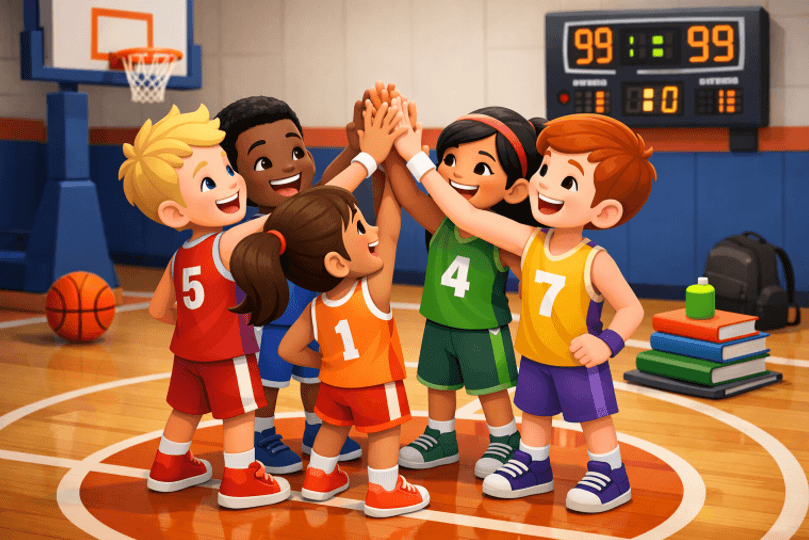
Getting involved in youth basketball is more than an introduction to competitive sports. It is an opportunity for children and teens to cultivate a wide variety of skills that last a lifetime. Whether participating in a recreational league or seeking advanced youth basketball in Northern Virginia, players learn more than layups and defense. They gain practical knowledge and personal growth experiences that extend far beyond the court.
These life skills, fostered in structured training environments, set the foundation for personal development and future success. Sportsmanship, focus, and collaboration become second nature as young athletes learn to embrace both individual effort and team success. Parents and educators alike find immense value in these programs, seeing firsthand how lessons from the gym translate into real-world achievement. Youth basketball is a vehicle for building confidence, resilience, and a sense of responsibility.
Teamwork and Communication
Basketball flourishes on coordinated group effort, making teamwork an unavoidable cornerstone of youth leagues and clinics. From executing plays to supporting teammates after a missed shot, young athletes quickly realize the value of relying on others and being reliable in return. Coaches guide them through exercises, like group drills and scrimmages, which teach verbal and nonverbal communication essential for in-game strategy and everyday collaboration. Programs such as the I Believe Academy in Framingham are built around these principles, helping youngsters grow socially and athletically while mastering basketball fundamentals.
Leadership Development
Youth basketball settings are full of opportunities for leadership training. Whether named team captain or leading a smaller group during drills, players quickly learn what it means to set a positive example, motivate peers, and take responsibility for group results. The Alan Horwitz “Sixth Man” Center in Philadelphia, for example, incorporates basketball to shape leaders, instilling responsibility and initiative long before adulthood. Encouraging leadership at a young age prepares athletes for a wide variety of future endeavors.
Resilience and Adaptability
Losses, setbacks, and disappointing performances are inevitable parts of competitive basketball. Young players are taught to process defeat constructively, analyze their mistakes, and bounce back with determination. This resilience serves them well far beyond the gym, providing a mindset for overcoming obstacles throughout their education and future careers. Learning to adapt, whether by switching positions or adjusting to new teammates, teaches young athletes flexibility and open-mindedness, two qualities especially valuable in an ever-changing world.
Time Management and Discipline
Youth basketball programs are typically rigorous, requiring participants to balance academics, practice, games, and personal time. The challenge encourages the development of time management strategies. Athletes begin to prioritize commitments, follow structured schedules, and maintain discipline for attending practices and games consistently. These habits transfer directly into academic achievement and later workforce productivity, as the discipline learned from sport becomes a lifelong asset. According to the New York Times, regular participation in youth sports fosters skills like discipline and focus that support well-rounded growth.
Academic Integration
Many basketball organizations integrate educational support elements, mandating minimum GPA requirements or offering after-school homework help. Coaches and mentors emphasize the importance of balancing academics with athletics, reinforcing the value of hard work in both arenas. Basketball’s time commitments can sharpen study habits and focus, as athletes often learn to make efficient use of available hours and strive for academic excellence as eagerly as they chase sports victories.
Community Engagement
Participation in basketball does not just stay on the hardwood. Many programs encourage players to volunteer or engage in local events, teaching the value of civic involvement and giving back. By interacting with diverse groups, young athletes build empathy and a stronger sense of social responsibility. Community service initiatives associated with youth sports programs promote a deeper connection to local issues and foster the development of young leaders committed to positive change. Insights from USA Today reinforce how youth sports can create lifelong community connections and civic engagement.
See also: IPTV in USA for Sports Fans: A Smarter Way to Watch Every Game Live
Confidence and Self-Esteem
Few experiences match the boost of sinking a winning shot or achieving a personal milestone on the basketball court. Youth basketball offers endless opportunities for tangible achievement, building self-confidence, and a positive self-image. The encouragement of coaches and peers reinforces these gains, helping players believe in their abilities and embrace new challenges off the court as well.
Conclusion
Youth basketball training provides a powerful platform for the development of essential life skills. From teamwork and leadership to resilience and community involvement, young athletes gain much more than physical fitness. Structured basketball programs lay the groundwork for future personal, academic, and professional success by nurturing well-rounded, confident, and socially responsible individuals ready to take on any challenge.