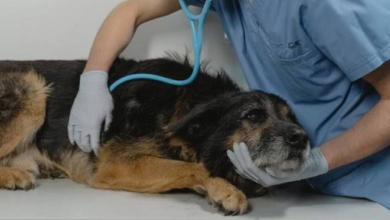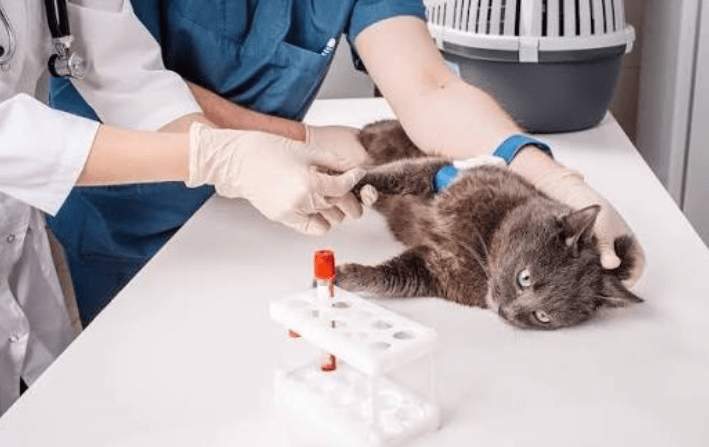
You bring your pet in because something feels off, or maybe nothing seems wrong at all and that is what makes the decision harder. They are eating, sleeping, wagging, purring, and moving through the day like usual. Then your veterinarian in South Houston, TX suggests blood tests, and your first thought is often cost, stress, and whether it is really needed. That reaction is normal. You are trying to protect your pet and make smart choices at the same time.
The hard part is that pets hide illness well. By the time there are clear signs, a problem may already be advanced. Regular blood work gives your veterinary clinic a look beneath the surface, often catching changes before your pet shows you anything at home. It helps with early disease detection, safer treatment decisions, and better long term care. That is the real reason regular blood work in veterinary clinics matters so much.
Routine blood testing helps veterinarians catch hidden disease early
A physical exam tells your veterinarian a lot, but it does not reveal everything. Blood work adds another layer. It can show signs of infection, anemia, dehydration, organ stress, blood sugar changes, and issues with the liver, kidneys, or thyroid. Cornell’s Animal Health Diagnostic Center explains the role of hematology testing in animals in evaluating red cells, white cells, and platelets, all of which can point to problems that are still quiet.
This is where many pet owners get blindsided. A dog can still chase a ball with early kidney disease. A cat can still curl up in the sun with thyroid changes starting in the background. You may not see a crisis coming because there is no obvious crisis yet. Blood work gives your veterinarian a baseline, and baselines matter. When values shift over time, even slightly, those trends can signal trouble before symptoms become severe.
That can save money as much as it saves health. Treating a condition early is often simpler and less expensive than emergency care after a pet crashes. The stress is different too. Planning next steps during a wellness visit feels very different from hearing bad news in an emergency room.
Blood work supports safer treatment and better decisions in a veterinary clinic
Testing is not only for diagnosing disease. It also helps your veterinarian choose medications, anesthesia plans, and follow up care more safely. If your pet needs a dental procedure, surgery, or long term medication, blood tests can reveal whether the kidneys and liver are ready to handle that load. Cornell’s guidance on clinical chemistry testing shows how these values help assess organ function and metabolic health.
You see this often with older pets. A senior dog may need pain relief for arthritis, but blood work can show whether the current medication is still a good fit. A cat losing weight may need more than a diet change. A pet that seems sleepy after a minor procedure may actually have an underlying issue that should have been identified first.
Preventive blood testing for pets also gives context when your pet gets sick later. Without prior lab results, your veterinarian is starting from scratch. With previous results, they can compare old numbers to new ones and move faster toward the right diagnosis.
Senior pets benefit most from regular veterinary blood tests
Age changes the picture. As pets get older, the risk of chronic illness rises, even when they still seem comfortable at home. That is why many clinics recommend screening more often for senior pets. The University of Georgia highlights the value of senior pet wellness care, which often includes blood work to watch for age related changes early.
If you have ever heard, “He was fine a month ago,” you know how fast things can shift. Senior pets can compensate for a long time, then decline quickly. Regular testing does not stop aging, but it helps your veterinary team respond sooner and with more precision. That can mean diet changes, medication adjustments, monitoring plans, or treatment before your pet is in distress.
The benefits of routine blood work often outweigh the short term stress
No one enjoys seeing their pet nervous during a blood draw. That part is real. The question is what that brief stress may prevent later. In most cases, the answer is a lot.
| Situation | Without Regular Blood Work | With Regular Blood Work |
| Wellness visits | Problems may stay hidden until symptoms appear | Early changes can be tracked before illness is obvious |
| Surgery or anesthesia | Unknown organ issues may raise risk | Safer planning based on current health values |
| Senior pet care | Age related disease may progress quietly | More frequent screening can catch trends earlier |
| Long term medication use | Side effects may go unnoticed | Monitoring helps protect liver and kidney function |
| Emergency illness | No baseline for comparison | Past results help the clinic diagnose faster |
This is why pet blood work is part of good preventive care, not just a response to obvious sickness. It gives you information you cannot get from behavior alone.
Three steps you can take before your next veterinary clinic visit
Ask what the blood panel is checking. You do not need to nod through the appointment if the purpose is unclear. Ask whether the test is for routine screening, pre anesthesia safety, medication monitoring, or a specific concern. That answer tells you what decisions the results will guide.
Use age and medical history to plan timing. Young healthy pets may need blood work less often than seniors or pets with chronic conditions. If your pet has diabetes, kidney concerns, thyroid disease, seizures, or takes long term medication, ask your veterinarian how often testing should be repeated.
Track changes at home and share them. Increased thirst, weight loss, appetite shifts, accidents in the house, bad breath, vomiting, slower walks, or hiding behavior all matter. These details help your veterinarian interpret lab results in a way that fits your pet’s daily life.
See also: The Life Skills Gained Through Youth Basketball Training
Regular blood work gives your pet a quieter kind of protection
You are not overreacting by agreeing to blood testing, and you are not failing your pet by asking questions first. The goal is simple. Find problems earlier, treat them more safely, and give your pet the best chance at a longer, steadier life. In a good veterinary clinic, regular blood work is not extra. It is part of careful care.
If your pet is due for a wellness visit, ask about routine lab screening and what schedule makes sense for their age, breed, and health history.