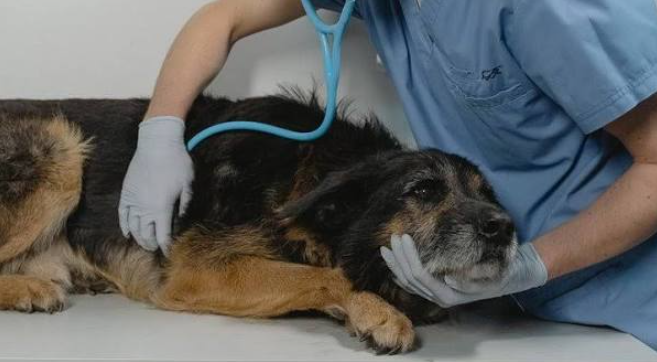
You notice the squinting first, or the head shaking, or that sharp cry when your pet tries to scratch one side of the face. A few minutes later, you are looking at a red eye, swelling, discharge, or an ear that suddenly smells wrong, and your mind goes straight to the same place. Is this serious, and how fast do I need help from an emergency vet Tiger Point?
That stress is real because eye and ear problems can change fast. What looks minor at dinner can become a painful emergency before bedtime. The short version is simple. Many eye and ear issues need same day care, and how veterinary urgent care treats eye and ear emergencies depends on one thing first, protecting sight, easing pain, and stopping damage from getting worse.
Animal urgent care focuses on pain, damage control, and fast diagnosis
Pets rarely sit still and explain what hurts. They rub an eye on the carpet, paw at one ear, tilt the head, hide under the table, or snap because they are scared and sore. By the time you see obvious signs, the tissue is often already inflamed. With eyes, that matters because a scratch on the cornea, a foreign object, glaucoma, or an ulcer can threaten vision. With ears, infection is common, but so are ruptured eardrums, deep swelling, severe mites, trapped grass awns, and painful hematomas from head shaking.
Animal Urgent Care usually starts with a focused exam and a quick history. When did it start. Has your pet been rubbing the area. Was there rough play, a hike, grooming, bathing, or a recent infection. Those details help narrow the cause because eye and ear emergencies often begin with trauma, allergies, infection, or something stuck where it should not be.
For eye cases, urgent care teams often check for corneal ulcers with stain, measure pressure if glaucoma is a concern, examine the eyelids, and look for foreign material. Veterinary ophthalmology programs such as Tufts ophthalmology services handle advanced eye disease, but urgent care is often the first stop when your pet needs relief and rapid triage.
For ears, the exam may include looking down the ear canal with an otoscope, checking for swelling, debris, odor, redness, or signs of a ruptured eardrum, and taking a sample to check for yeast, bacteria, or mites under a microscope. If the ear is too painful, sedation may be the kindest way to examine and clean it safely.
This is where pet urgent care for eye and ear problems differs from waiting it out at home. Urgent care is built to move quickly from symptoms to treatment. That may mean pain control, antibiotic or antifungal medication, anti inflammatory drops, flushing debris, placing an e collar, draining an ear hematoma, or sending your pet straight to emergency or specialty care when vision or neurologic signs are at risk.
See also: The Life Skills Gained Through Youth Basketball Training
Some symptoms mean the problem is already more serious than it looks
A watery eye does not always mean irritation. If your pet cannot open the eye, the surface looks cloudy, the pupil sizes do not match, or the eye seems enlarged, the issue may be far beyond a simple scratch. The same goes for ears. A little wax is one thing. Loss of balance, walking in circles, a head tilt, or crying out when the ear is touched can point to deeper disease.
You may also be weighing cost in the middle of fear, which is common and understandable. An owner may hope a leftover ointment or over the counter cleaner will buy time. That can backfire fast. Some human eye drops are unsafe for pets. Some ear cleaners make pain worse if the eardrum is damaged. A steroid drop placed on an undiagnosed corneal ulcer can worsen the injury.
The FDA’s guide on who to call for a pet emergency is a helpful reminder that when symptoms are sudden, severe, or affecting breathing, movement, vision, or extreme pain, immediate professional direction matters.
Home care and veterinary urgent care are not equal for eye and ear emergencies
| Situation | Home Response | Veterinary Urgent Care Response | Main Risk of Waiting |
| Squinting, red eye, pawing at face | Prevent rubbing, use e collar if available, do not use human drops | Eye stain, pressure check, pain relief, targeted medication | Corneal ulcer, rupture, vision loss |
| Eye discharge after rough play or outdoor activity | Gently wipe discharge, keep pet calm | Check for scratch, foreign body, lid injury, infection | Embedded debris, worsening trauma |
| Head shaking, odor, dark debris in ear | Do not deep clean at home if pain is obvious | Otoscope exam, ear cytology, medication, safe cleaning | Canal swelling, chronic infection, eardrum injury |
| Ear swelling after repeated scratching | Limit scratching with e collar | Assess for hematoma, infection, allergy, drainage needs | Permanent ear thickening, severe pain |
| Head tilt, loss of balance, sudden eye changes | Keep pet confined and safe from falls | Neurologic and ear exam, emergency referral if needed | Inner ear disease, neurologic emergency |
Fast action gives your pet the best chance at comfort and recovery
Protect the area right away. Stop the rubbing and scratching first. Use an e collar if you have one. Keep your pet indoors and calm. Do not flush the eye or pour cleaner into the ear unless a veterinarian has already told you exactly what to use.
Watch for the signs that move this into urgent territory. Squinting, cloudiness, swelling, bleeding, unequal pupils, strong odor, thick discharge, sudden hearing changes, head tilt, balance trouble, or crying from pain all justify same day care. This is where veterinary urgent care can make the difference between a straightforward treatment plan and a much harder recovery.
Call before you drive if you can. A brief call helps the clinic prepare and tell you whether your pet should come to urgent care, go straight to an emergency hospital, or see a specialist. If your pet seems disoriented, cannot see, or is in extreme pain, do not wait for things to settle down on their own.
Prompt treatment helps preserve sight, hearing, and peace of mind
Eye and ear emergencies feel small until they are not. That is why same day assessment matters. Pain can be treated, pressure can be checked, infection can be identified, and the right next step can happen before damage spreads. If your pet is showing sudden eye or ear symptoms, seek Animal Urgent Care as soon as you can and get clear guidance on what needs attention now.