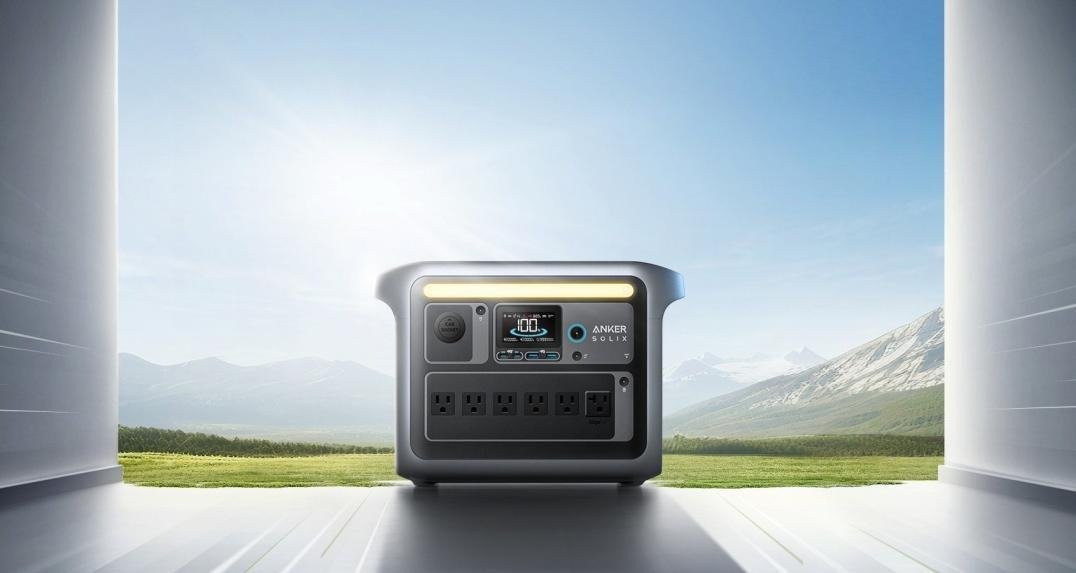
Portable solar generators offer sustainable energy that’s both versatile and convenient. With models like the Anker SOLIX C1000 gaining popularity, understanding proper setup and use is crucial. In this guide, we’ll cover essential practices to safely set up your portable solar generator. You’ll learn tips on ideal placement, secure connections, and efficient usage. Whether you’re using it for camping or as a backup at home, mastering these practices ensures reliable performance. Let’s dive into the steps needed to harness solar power effectively and elevate your energy solutions with confidence. With proper handling, you’ll maximize the lifespan of your generator and ensure safety for all users.
Preparing the Setup Location
To optimize performance, choose a location that enhances solar efficiency. Ensure there’s adequate space for both the solar panels and the power station. Additionally, the area should have a flat and stable surface to secure the equipment safely, avoiding any accidental falls or tilts.
Optimal Solar Panel Placement
For the solar panels, finding an unobstructed area is key. Begin by examining your surroundings early in the day, observing which areas receive direct sunlight. Ideally, place panels at a location facing true south in the northern hemisphere or true north in the southern hemisphere. This orientation maximizes sunlight exposure throughout the day. If possible, adjust the tilt of the panels according to the season, increasing the angle during winter months and decreasing it during summer. The flexibility to reposition or angle your panels ensures that they capture as much sunlight as possible, enhancing the efficiency of energy capture.
Safe Power Station Placement
The power station should be placed on a flat, sturdy surface close to the panels but protected from environmental elements like rain or dust. Keep it in a shaded area to prevent overheating, which can degrade its performance over time. Make sure it’s easily accessible for monitoring and adjustments. Proximity to your solar panels ensures minimal power loss through cabling, maintaining efficient energy transfer. Additionally, avoid placing anything on top of the power station to prevent accidental damage or obstruction of the ventilation necessary for cooling.
Step-by-Step Setup Process
Setting up your portable solar power generators involves careful unboxing, component inspection, and secure connections. A systematic approach ensures all parts are functional and optimally assembled for efficient operation.
Unboxing and Component Check
Start by opening the packaging carefully to avoid damaging any components within. Inspect each item — the solar panels, cables, connectors, and the power station — against the manufacturer’s checklist provided. Items should be free from visible damage, such as cracks or abrasions. Knowing your equipment is intact forms the foundation for a reliable setup. Take this opportunity to read through the instruction manual, familiarizing yourself with each component’s function and the recommended setup process. Understanding each part’s role aids in seamless assembly and usage.
Connecting Solar Panels to a Power Station
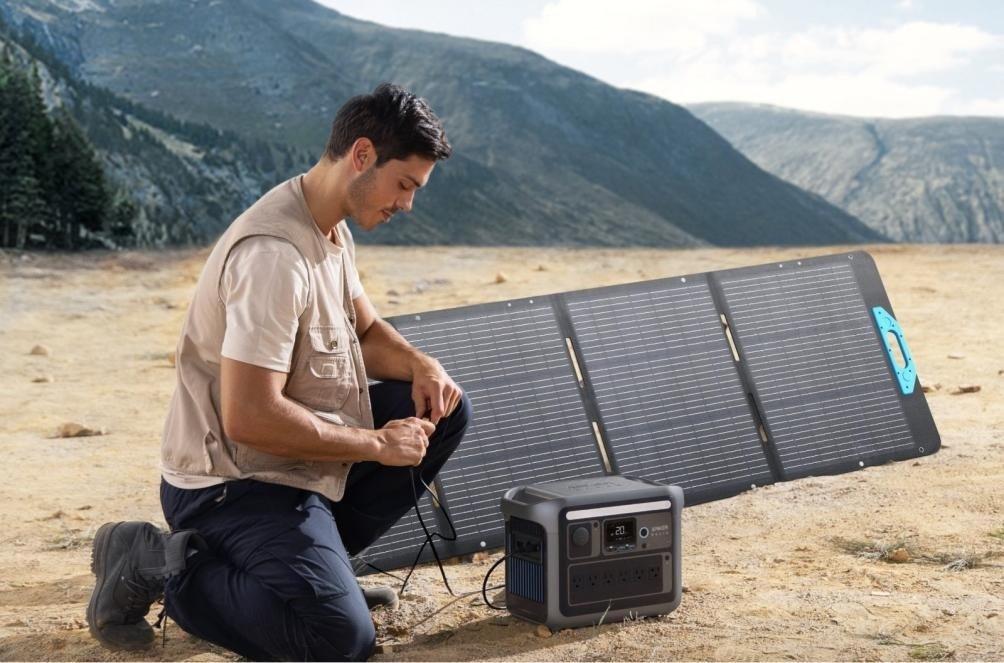
Once all components are verified, position the solar panels in their designated spot. Connect them to the power station using the provided cables, ensuring each connection is snug and secure. The Anker SOLIX C1000, for example, comes with detailed illustrations for connecting cables correctly. Double-check that connections are firm to prevent power loss. Additionally, use cable ties to manage loose wires, minimizing tripping hazards and exposure to harsh elements. Proper cable management enhances the generator’s reliability and ease of maintenance.
Using Your Portable Solar Generator
With the setup complete, it’s time to put your portable solar generator to work. Efficient operation depends on smart charging practices and effective load management.
Charging Best Practices
To maximize battery life, ensure the generator is fully charged before initial use. Regularly charge it even when not in use to maintain performance. For models like the Anker SOLIX C1000, utilize both solar and AC charging options when available. Whenever possible, charge in early daylight to capture as much solar energy before peak usage periods. Avoid letting the battery fully discharge, as it can reduce the overall lifespan. Consistent, shallow discharges followed by immediate recharging can better preserve battery health over time.
Operating Devices and Load Management
Identify the wattage requirements of the devices you plan to power, ensuring the combined load doesn’t exceed the generator’s capacity. Start by connecting lower wattage items, slowly adding more as you gauge the power draw. Load management aims to distribute energy use efficiently, preventing overloading and potential damage. Consider using a power strip with surge protection to safeguard sensitive electronics. By monitoring device usage and unplugging once charged, you can maintain optimal efficiency and prolong battery health.
See also: Precision Health & Genomics Platform: Transforming the Future of Personalized Healthcare
Maintenance and Care Tips
Regular maintenance extends the life of your solar generator, ensuring safety and reliability. It’s essential to check connections and cleanliness frequently.
Regular Checks for Cables and Ports
Inspect cables and ports regularly for signs of wear or corrosion. Pay special attention to bends and connection points where damage may occur. Keeping these components in good condition is crucial for seamless energy transfer. Tighten loose connections and replace frayed cables as necessary. Periodic maintenance prevents minor issues from escalating into significant problems, maintaining the generator’s performance. A quick inspection after each use ensures everything remains shipshape.
Panel Cleaning and Storage
Clean solar panels with a soft cloth and mild detergent solution, removing dust and debris that can impede efficiency. Perform this routine cleaning once a month or as needed based on exposure levels. For long-term storage, ensure the panels and power station are dry and kept in a cool, dry place, unexposed to direct sunlight. Proper cleaning and storage practices preserve functionality and readiness for future use, maximizing the generator’s lifespan.
Conclusion
By following these best practices, you can ensure the long-lasting performance and reliability of your portable solar generator. Whether using models like the Anker SOLIX C1000 or similar, proper setup, strategic use, and diligent maintenance are crucial. These steps enhance efficiency, safeguard components, and prolong the system’s lifespan. Embrace clean energy confidently, and let careful practices lead the way. Your portable solar generator offers immense potential when handled correctly, delivering sustainable power whenever and wherever you need it most.