Industrial equipment depends on reliable electrical connections. From manufacturing machinery to control systems, cables play an important role in transferring power and signals between different components. Choosing an appropriate cable can help support equipment performance and reduce avoidable maintenance problems.
One consideration in cable selection is the outer jacket material. Thermoplastic polyurethane, often shortened to TPU, is used in certain cable designs because some formulations offer a combination of flexibility and mechanical resistance.
Understanding how these properties relate to real operating conditions can help engineers and purchasing teams make more informed decisions.
Start With the Application
The first step in selecting a cable is identifying where and how it will be used. A cable installed permanently inside a protected cabinet has different requirements from one exposed to frequent movement or contact with industrial equipment.
Consider whether the cable will be used for power transmission, signal transmission or a combination of functions. The intended equipment, installation method and expected service conditions should guide the specification.
A clear application description helps suppliers recommend products that are relevant to the project.
Examine the Cable’s Complete Construction
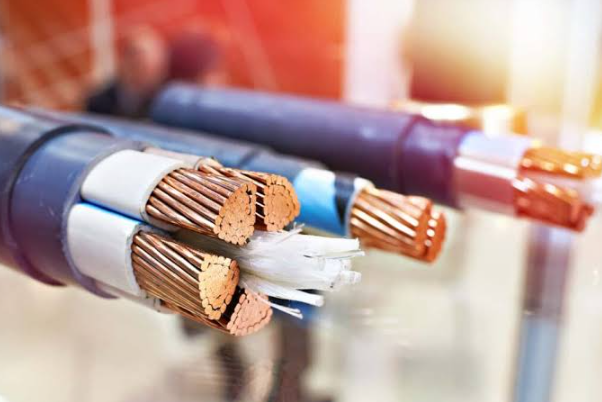
Cable performance depends on several components working together. The conductor, insulation, shielding and outer jacket each serve a different purpose.
The conductor determines how electricity or signals are carried. Insulation helps separate electrical elements, while shielding may reduce electromagnetic interference in applications where signal quality is important.
The outer jacket protects the cable from external conditions. TPU may be used where the design requires flexibility or resistance to mechanical wear, but the jacket cannot compensate for unsuitable conductor or insulation specifications.
Understand the Role of TPU
TPU belongs to a group of thermoplastic elastomers. Its material characteristics can vary depending on the formulation and manufacturing process.
Some TPU grades offer useful resistance to abrasion and tearing. This can be valuable in environments where cables are moved, handled or routed near machinery.
Flexibility is another potential advantage. A suitable cable may be easier to route through equipment or around installation spaces, provided that the recommended bending limits are respected.
Buyers should avoid treating TPU as a guarantee of performance. Technical data for the exact cable remains essential.
Match Electrical Ratings to Equipment
Electrical compatibility should be confirmed before a cable is selected. Important specifications include voltage rating, conductor size, current capacity and insulation characteristics.
The cable must be suitable for the electrical load and operating conditions of the connected equipment. Using a cable with unsuitable ratings can create safety and performance risks.
For signal applications, additional factors such as shielding, conductor arrangement and transmission requirements may influence the choice.
Engineers should use equipment documentation and relevant electrical standards as the basis for these decisions.
Review Certification and Quality Information
Industrial projects may require cables that meet particular safety or performance standards. Buyers should identify these requirements at the beginning of the procurement process.
If a project specifies UL recognition or certification, request the exact product designation and supporting documentation. The certification should relate to the cable being purchased, not simply to a material family or a different product in the supplier’s range.
Datasheets and test reports can provide further information about construction, temperature ratings and mechanical performance.
Consider the Installation Environment
The installation environment can influence how a cable performs over time. Temperature, moisture, vibration, chemical contact and mechanical movement should all be considered.
For moving equipment, check whether the cable is designed for repeated flexing. For installations near chemicals or oils, confirm material compatibility with the supplier.
Installation practices are equally important. Excessive pulling force, sharp bends and poor cable support can cause damage even when the cable itself is suitable.
Balance Purchase Price With Long-Term Value
A low initial price may be attractive, but cable selection should also consider expected service life, maintenance needs and the consequences of equipment downtime.
A product that is well matched to its application may reduce the need for frequent replacement. On the other hand, paying for specialised features that the installation does not require may add unnecessary expense.
Compare suppliers using consistent specifications. This makes it easier to evaluate products fairly and identify meaningful differences in performance.
Explore Product Specifications Before Purchasing
Businesses evaluating ul tpu cable can review available cable information and compare it with their electrical, mechanical and environmental requirements. Confirming product ratings and certification details before ordering can help prevent specification mismatches.
Frequently Asked Questions
1. What is the most important factor when selecting an industrial cable?
The intended application is the starting point. Electrical ratings, operating conditions, installation method and mechanical requirements should all be considered together.
2. Does a flexible cable always support repeated movement?
No. Flexibility alone does not confirm suitability for continuous flexing. Check the manufacturer’s specific dynamic-use ratings and test information.
3. Why should certification documents be checked?
Certification information helps confirm whether the exact product meets the standards required for a project. It should be verified against the correct model and designation.
Conclusion
Industrial cable selection involves balancing electrical performance, material properties, environmental conditions and long-term operating needs. TPU may be appropriate for applications requiring certain mechanical characteristics, but every product must be assessed against its own technical specifications. A structured comparison helps purchasing teams choose cables that meet project requirements without relying on assumptions or general material descriptions.