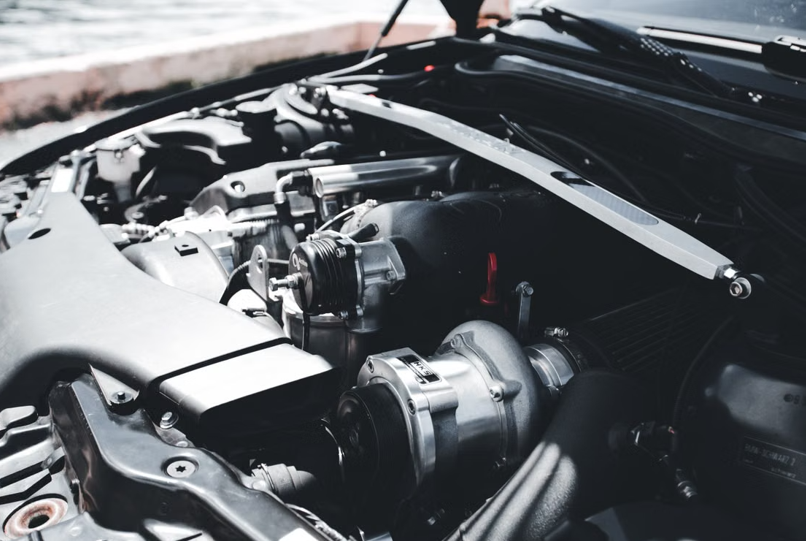
Modern turbo engines have revolutionized the automotive industry by delivering outstanding power performance, enhanced fuel economy, and minimized emissions without needing a huge engine size. But the increasing popularity of such engines has made people doubt their longevity. Are such advanced powertrains capable of enduring decades of usage, or will their complex design make them vulnerable to breakdown compared to naturally aspirated engines? The results might shock you. Modern turbo engines have the potential to last long if well-maintained.
Modern Engineering Has Made Turbo Engines More Durable
The early models of turbocharged engines had an image of being in need of frequent servicing, especially when users neglected maintenance. Modern design has completely transformed the situation. Manufacturers have introduced tougher construction of engine internals, better cooling systems, better control software, and more efficient turbochargers. Such innovations allow increasing the resistance of engines to high pressures and temperatures without jeopardizing regular reliability.
Moreover, many of the modern turbo engines feature advanced electronics which monitor the operation of the engines in real time. Even though this increases the number of units that may require future servicing, it provides a way of protecting engines from hazardous situations.
Proper Lubrication Determines Long-Term Engine Health
The importance of lubrication in ensuring the longevity and reliability of turbocharged engines cannot be overlooked. Turbocharged engines are different from naturally aspirated engines because they have much higher speeds and temperatures when they operate. Therefore, the lubrication system is required to lubricate many moving parts and withstand high temperatures during engine operation.
Poor lubrication can increase the rate of friction and temperature inside the engine, resulting in bearing failure. Bearings in a turbocharger are highly susceptible to failure due to poor lubrication, as damage to them occurs within a very short time. Owners should purchase a lubricant such as premium 5W40 engine oil to ensure adequate protection. High-quality oil also helps control deposits, maintain cleanliness, and preserve consistent engine performance.
Driving Habits Have a Significant Impact on Longevity
The manner in which the driver uses his vehicle could affect the life of an engine as much as the design itself does. A turbocharged engine is likely to perform well under moderate conditions of use, especially with regard to start-up and shut-down processes. Requesting a lot of energy from a cold engine results in unnecessary pressure since some of the parts may be unable to operate at maximum efficiency due to low temperature.
Additionally, accelerating a lot at times when the engine is not yet at its normal operating temperature may increase the rate of wear. It is advisable to ensure that one does not switch off the engine immediately after driving when the engine has had a lot of work to do.
Cooling Systems Must Handle Additional Heat
Turbochargers become quite heated due to their use of exhaust gases that operate a turbine to compress the air. This process not only enhances combustion but also boosts power production. However, it creates a need for cooling systems that will ensure optimal temperatures during different types of operations.
A poor cooling system leads to issues that go beyond just overheating. High temperatures might cause accelerated breakdown of oil, wear of seals and hoses, and added strain on engine parts. To avoid such issues, one must check for coolant levels, hose checks, and radiator performance. A well-maintained cooling system means turbocharged engines have an opportunity to deliver good mileage figures.
Maintenance Costs Depend on Complexity and Neglect
Modern turbo engines have extra parts that inherently create opportunities for further maintenance needs. Turbochargers, intercoolers, boost pipes, pressure sensors, and advanced fuel delivery systems may one day get damaged. Some repair jobs are inexpensive, but other jobs can be quite costly in terms of time and parts replacement.
However, complex construction does not automatically imply unreliability. Most issues become costly due to the neglect of early symptoms and failure to conduct proper service on time. Strange sounds, poor acceleration capabilities, excessive exhaust emissions, and unusual oil consumption should always be checked immediately.
Mileage Is Not the Only Measure of Reliability
The longevity of a turbocharged engine cannot be assessed simply by the number of miles shown by the odometer. Similar cars have had vastly differing lives depending on their maintenance record, environment, and usage history. An engine that has clocked many miles on the highway and has undergone regular servicing might be in better shape than an engine that has been driven only a few miles in the city and has endured cold starts frequently.
Driving situations also affect wear and tear. Short trips, hauling, harsh climates, and stop-and-go driving put more strain on engines. Checking maintenance logs, observing engine performance, and consulting a mechanic will give you a clearer idea about its condition than mileage alone will.
Today’s turbo engines have all it takes to make it through the course. The improvement in the technology involved has made them very reliable, but reliability is dependent on how responsibly you use the engines. With proper maintenance, they will give you many years of reliable service without compromising their performance.