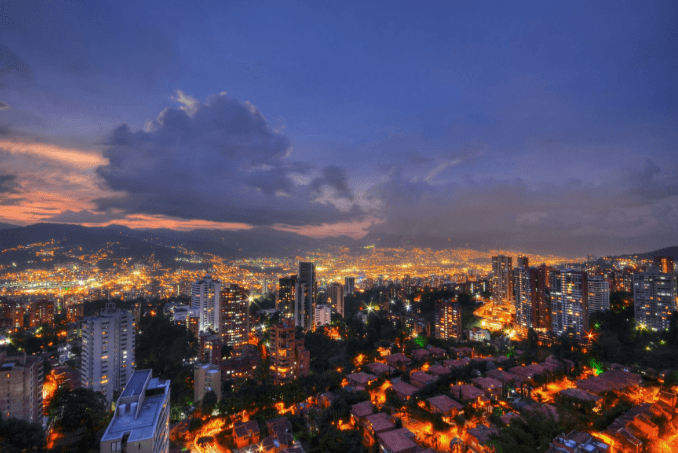
Sustainable thinking has shifted from a forward-leaning ideal to an essential leadership philosophy in urban development. As climate change, rising population density, and resource scarcity reshape modern cities, the role of the urban developer now reaches far beyond the construction of physical spaces. Leadership in this field calls for a far-sighted blend of social, environmental, and economic priorities — the kind that builds lasting, responsible communities equipped to meet the demands of both today and tomorrow.
Urban Development as a Catalyst for Progress
Urban development holds the power to shape the future of cities by balancing growth with environmental care. Sustainable principles allow developers to channel innovation toward long-term community prosperity. Thought leaders in the field recognize that city design must stretch beyond aesthetics and function to embrace inclusivity, green initiatives, and resident well-being. These values increasingly guide the design of structures, landscapes, and infrastructure, ensuring they deliver both present benefits and future resilience.
Research reinforces the importance of sustainable urban design. Studies from the World Resources Institute, for instance, demonstrate the economic benefits of green infrastructure in cities, from lower energy costs to relief from urban heat islands. Source. Urban leaders who take a proactive stance on these issues become stewards of both progress and preservation, shaping not only their immediate surroundings but also setting a precedent for global city planning.
See aslo: The Benefits of Window Tinting for Vehicles in Katy, TX
The Strategic Role of Visionary Leadership
Visionary leaders sit at the center of sustainable urban transformation. They question conventional ideas and pioneer bold solutions, collaborating with local communities, decision-makers, and experts to design spaces that meet the evolving needs of the people who live in them. Sustainability-focused leaders also draw on advances in smart technology and data analytics to refine city operations. From energy-efficient buildings to waste management breakthroughs, technology-driven insights inform decisions that carry real impact. Publications from McKinsey & Company illustrate how smart planning tools are creating more efficient, livable cities worldwide, offering models that other urban centers may emulate.
Community Building for Long-Term Value
Sustainable thinking pairs responsible leadership with a genuine focus on community. Urban spaces should nurture connection, economic growth, and inclusivity through mixed-use developments, pedestrian-friendly designs, green spaces, and public transportation. This approach strengthens the social fabric and gives rise to vibrant, lasting communities.
Developers like Terry Hui, Concord Pacific CEO, embody this approach by creating projects that unite environmental awareness with practical functionality. Terry Hui net worth serves as a testament to the success that innovation, dedication, and a commitment to sustainability can achieve.
Environmental Considerations Are No Longer Optional
Urban leaders now operate in an era where environmental accountability is a societal expectation rather than a luxury. Sustainable urban development minimizes ecological impact while tackling waste management, energy use, and carbon emissions. This dual emphasis on efficiency and consciousness drives projects that actively offer solutions to global environmental challenges. Modern design increasingly incorporates renewable energy systems, urban forests, and the adaptive reuse of existing structures in response to resource constraints. By embedding such measures, developers make measurable contributions to reducing their cities’ environmental footprint and strengthening urban resilience, addressing challenges before they escalate.
Building a Lasting Legacy Through Sustainability
Leadership in urban development today is as much about creating a legacy as it is about constructing physical spaces. By weaving sustainable thinking into every phase of development — from initial planning to long-term maintenance strategies — forward-thinking leaders ensure cities become models of growth and harmony rather than sources of strain. They reaffirm the potential of urban landscapes to nurture innovation, wellness, and a sustainable way of life for generations to come.
Urban development has reached a tipping point. Thoughtful leadership, anchored in environmental, social, and economic sustainability, offers the path forward for resilient, prosperous communities. Those who innovate and adapt in this space are not only meeting today’s global challenges but reshaping the future of urban living itself.