You know your pet better than anyone, and having a trusted veterinarian in Baytown, TX can help when you notice the small things, the slower walk to the food bowl, the extra nap, the change in breath, the way a playful dog suddenly seems quiet. Those changes can be easy to brush off when life is busy, especially if your pet still seems mostly fine. That is often how bigger health problems begin, quietly and without much warning.
Preventive care at an animal hospital gives you a chance to catch issues before they turn into pain, panic, or a large bill. It covers the basics that protect daily health, such as exams, vaccines, parasite control, dental checks, and routine lab work. It also helps protect your household, since some illnesses can spread between animals and people. The CDC guidance on healthy pets explains that regular care, safe handling, and disease prevention all work together.
Preventive care at an animal hospital catches problems early
Pets hide discomfort well. A cat with dental disease may keep eating. A dog with arthritis may still wag and greet you at the door. By the time symptoms become obvious, the condition is often more advanced and harder to treat. That is one reason pet preventive care matters so much. It is not about doing extra for the sake of it. It is about finding what you cannot see at home.
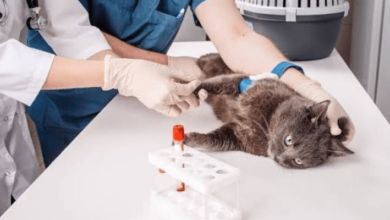
During routine visits, an animal hospital can track weight changes, heart and lung function, skin issues, joint stiffness, and early signs of illness. Bloodwork may reveal kidney disease, diabetes, or thyroid changes before your pet looks sick. Fecal testing can catch parasites that affect both pet comfort and family health. A vaccine review can close gaps before exposure happens.
This is where stress often builds for pet owners. You want to do the right thing, but it is hard to know what is urgent and what can wait. Waiting feels cheaper in the moment. Then a minor issue becomes an emergency visit, a hospital stay, or a long recovery. Prevention reduces that risk.
See also: The Life Skills Gained Through Youth Basketball Training
Routine veterinary prevention supports both pet health and household safety
Some people think of annual exams as simple checkboxes. They are more than that. Routine veterinary prevention helps manage diseases that move fast and diseases that spread quietly. Rabies is the clearest example. It is fatal once symptoms begin, and it is a public health issue, not just a pet issue. The CDC rabies information for veterinarians outlines why vaccination and exposure response matter so much.
Parasites are another concern. Fleas, ticks, and intestinal worms do not just make pets uncomfortable. They can trigger skin disease, anemia, digestive problems, and in some cases infect people. Prevention is simpler than treatment, especially when children, older adults, or anyone with a weaker immune system lives in the home.
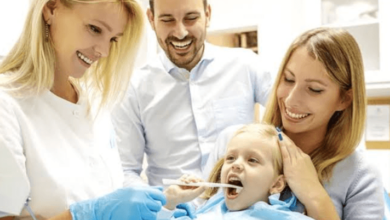
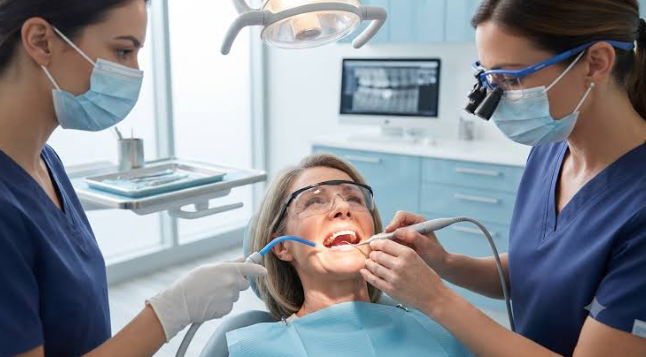
Dental disease also gets overlooked because it builds slowly. Bad breath can seem harmless until it becomes infected gums, loose teeth, trouble eating, and bacteria affecting other organs. Preventive checks at an animal hospital often catch this earlier, when cleaning and home care can make a real difference.
Virginia Tech’s guidance on pet preventive care points to the same pattern seen every day in practice. Regular exams, vaccines, parasite control, and screenings are not separate tasks. They form a safety net around your pet’s life.
Delayed care often costs more than planned prevention
The hardest part for many families is cost. That concern is real. Preventive care does require planning, and no one likes adding another recurring expense. Still, there is a difference between a predictable cost and a crisis cost.
| Type of Care | What It Often Includes | Likely Outcome |
| Planned preventive visits | Wellness exam, vaccines, parasite prevention, dental check, routine labs | Early detection, steadier health, fewer surprise emergencies |
| Delayed or symptom based care | Visit only after vomiting, limping, weight loss, bad breath, or behavior change | More advanced disease, more treatment, higher stress and cost |
| Emergency only approach | Urgent diagnostics, hospitalization, surgery, intensive medications | Fast decisions under pressure, larger bills, harder recovery |
A young dog that skips parasite prevention may end up needing treatment for a tick borne illness. A cat without routine lab work may not show obvious signs of kidney disease until appetite drops and dehydration sets in. In both cases, the later stage problem is harder on the pet and harder on your budget.
Animal hospital preventive care is really about keeping small problems small. It gives your veterinarian a baseline, which matters more than most people realize. When your pet’s normal weight, heart rate, blood values, and behavior are documented over time, changes stand out faster and decisions become clearer.
Simple steps make preventive care easier to keep up with
Schedule wellness visits before there is a problem. Put annual or twice yearly exams on your calendar based on your pet’s age and health. Puppies, kittens, senior pets, and animals with chronic conditions often need more frequent checks.
Keep a short health log at home. Track appetite, water intake, weight, bathroom habits, energy, and any skin or dental changes. You do not need anything fancy. A few notes on your phone can help your veterinary team spot patterns faster.
Ask for a prevention plan that fits your pet’s life. Indoor cats, hiking dogs, multi pet homes, and senior pets all have different risks. A good animal hospital can tailor vaccines, parasite prevention, dental care, and screening tests to your pet instead of using a one size fits all checklist.
Consistent animal hospital care gives pets a better chance at a longer life
You are not overreacting by taking prevention seriously. You are paying attention, and that care matters. Regular exams and early screening protect comfort, reduce avoidable suffering, and help you make calmer decisions with better information.
If your pet is due for a checkup, now is a good time to schedule one and build a prevention plan that works in real life. A trusted animal hospital can help you stay ahead of problems instead of chasing them after they grow.