In today’s fast-paced world, the comfort and health of our indoor environments have never been more crucial. Efficient HVAC and electrical systems play a pivotal role in ensuring our homes and workplaces are not only comfortable but also conducive to good health. Whether you are managing a commercial property or caring for your family at home, prioritizing these systems leads to a safer, healthier environment. For anyone seeking reliable system upgrades or AC repair, making wise infrastructure choices is essential to long-term comfort and performance.
There is growing awareness about indoor air quality and its direct relationship to wellness. Efficient systems reduce energy use, lower costs, and help mitigate issues like airborne allergens or power fluctuations that can disrupt daily activities. With advancements in smart technologies and building automation, the integration of these solutions is no longer a luxury but a necessity for a healthy lifestyle. These approaches also align with efforts to reduce carbon emissions and support sustainable living in urban developments.
Importance of Efficient HVAC Systems
Heating, Ventilation, and Air Conditioning (HVAC) systems are the backbone of indoor comfort. Modern HVAC systems are designed to provide optimal temperature control while minimizing energy consumption. This efficiency not only reduces utility bills but also lessens the environmental impact. According to the U.S. Department of Energy, HVAC systems can account for nearly half of the energy use in a typical home, emphasizing the considerable savings that come with energy-conscious choices.
Enhancing Indoor Air Quality
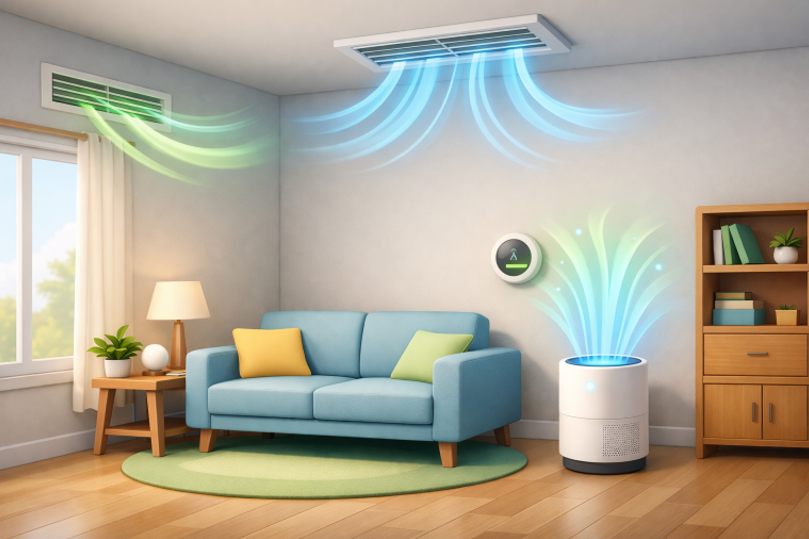
Indoor air quality (IAQ) is a significant factor in overall health. Efficient HVAC systems are equipped with advanced filtration and ventilation technologies that remove pollutants, allergens, and pathogens from the air, creating a healthier indoor environment. These systems help control humidity and eliminate volatile organic compounds (VOCs) that commonly build up indoors. With the increased time people spend inside buildings, ensuring clean air through high-performance filtration is more important than ever.
Energy Recovery Ventilators (ERVs)
ERVs are devices that improve ventilation by exchanging stale indoor air with fresh outdoor air while conserving energy. They are particularly beneficial in airtight buildings, ensuring a continuous supply of fresh air without compromising energy efficiency. According to a recent article, ERVs have become essential in modern construction for maintaining indoor air quality and energy efficiency.
Role of Advanced Electrical Systems
Modern electrical systems contribute significantly to indoor comfort and safety. Upgraded wiring, circuit breakers, and outlets ensure reliable power distribution, reducing the risk of electrical hazards. Additionally, energy-efficient lighting and appliances lower energy consumption and enhance the overall ambiance of living spaces. Upgrading to LED lighting and smart outlets is one effective way to both boost safety and reduce aggregate energy usage in residential and commercial properties.
Smart Thermostats and Building Automation
Integrating smart thermostats and building automation systems allows for precise control over indoor environments. These technologies learn user preferences and adjust settings accordingly, leading to improved comfort and energy savings. A study by MIT highlights how smart thermostats can optimize building microclimates for both energy consumption and user preference.
Impact on Energy Efficiency
Efficient HVAC and electrical systems significantly reduce energy consumption. For instance, modern HVAC systems use 20-40% less energy than units from 10 to 15 years ago. This reduction is achieved through technologies such as variable-speed motors and higher SEER (Seasonal Energy Efficiency Ratio) ratings, leading to lower utility bills and a reduced carbon footprint. The Environmental Protection Agency (EPA) also notes that integrating Energy Star certified products can help households reduce greenhouse gas emissions.
See also: Modern Approaches to Home Security: Technology, Integration, and Emerging Trends
Health Benefits of Modern Systems
Beyond comfort and energy savings, modern HVAC and electrical systems contribute to better health. Improved air filtration reduces exposure to allergens and pollutants, while consistent temperature and humidity control prevent conditions conducive to mold growth. Advanced electrical systems also offer added peace of mind by lowering the risk of fires and electrical malfunctions. Collectively, these factors support respiratory health, reduce the spread of airborne illness, and encourage overall well-being within homes and businesses.
Conclusion
Investing in efficient HVAC and electrical systems is a proactive step toward creating healthier and more comfortable living environments. By embracing modern technologies and best practices, both homeowners and businesses benefit from a safer indoor space, improved air quality, and significant energy savings. The future of healthy living lies in making these advanced systems standard, not optional, for sustainable comfort and wellness.