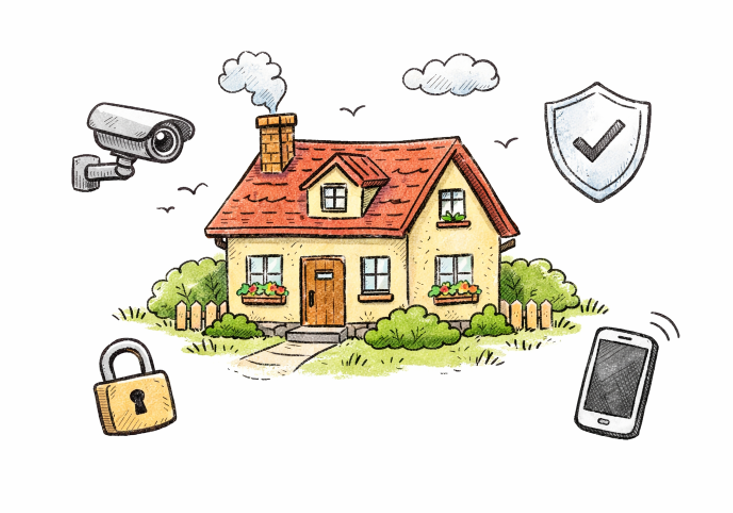
Ensuring the safety of your home has evolved dramatically over the past decade. Homeowners today have an array of tools and strategies at their fingertips, from innovative smart home gadgets to customizable DIY systems. For those who seek peace of mind, advances in technology now offer solutions that are not only robust but also tailored to individual needs and preferences. Many homeowners also consider working with private security companies to achieve a comprehensive approach to protection, blending professional oversight with personal security management.
As the landscape shifts toward more proactive and user-friendly options, understanding modern home security methods is critical. Real-time monitoring, remote control, and integrated device networks enable you to keep an eye on your property whether you are inside or away. These options grant unprecedented flexibility and control while reducing the risk of unwanted incidents.
The convergence of convenience and security does not just benefit tech-savvy individuals. With the rise of mobile applications and intuitive platforms, today’s systems are designed with accessibility in mind for all users. This democratization of technology ensures that top-tier protection is within reach for more households than ever before.
However, as the number of smart devices in homes increases, so do concerns about privacy and cyber threats. Addressing these risks requires not just installing devices but also a thoughtful approach to system management and ongoing vigilance. Being informed about the latest best practices is an important part of any home security plan.
Smart Home Integration
Smart home integration is reshaping how people approach home protection. By pairing security systems with devices such as smart locks, lighting, and sensors, it is possible to create a unified ecosystem that provides continuous awareness and control. Homeowners can use smartphones or voice assistants to lock doors, check camera feeds, and receive immediate alerts if unusual activity is detected.
This connectivity means that, whether you are at work or on vacation, you have an instant line of sight to your property. For example, automated routines can trigger when you leave the house or at designated times, adding another layer of assurance. For more in-depth guidance on setting up a smart home, reputable resources like CNET’s Smart Home security guide offer detailed insights on device selection and system customization.
DIY Security Systems
One of the most significant changes in recent years has been the availability of DIY security solutions. With intuitive interfaces, wireless components, and dedicated mobile apps, installation has never been easier. These systems empower users to tailor protection to the layout and needs of their homes without the cost or commitment of professional setups.
Many DIY kits come with motion detectors, window sensors, and instant notification features, enabling immediate detection and rapid response. The flexibility to expand or reconfigure equipment as your needs change is another major benefit. DIY security is also appealing for renters or those who relocate frequently, as the systems are often portable and scalable. For a comprehensive review of renter-friendly security systems, consider exploring Smart Home Explorer’s guide.
Biometric Access Controls
Traditional locks and alarm keypads can be vulnerable to theft or tampering. Modern homes are increasingly adopting biometric access technologies, such as fingerprint, iris, and facial recognition systems. By relying on unique physical attributes, these systems provide a higher level of authentication and virtually eliminate risks posed by lost keys or shared codes.
Integrating biometrics into entry points can streamline access for family members while providing a detailed access log for added accountability. These setups not only increase security but also enhance convenience, as there is no need to fumble for keys or remember lengthy passcodes.
AI-Enhanced Surveillance
Artificial Intelligence (AI) is revolutionizing home security monitoring. Unlike standard cameras that record all activity and send frequent alerts, AI-powered devices analyze footage in real time, distinguishing between regular household movement and actual threats. This minimizes false alarms, ensuring alerts are sent only when genuine intervention is required.
Additionally, AI can recognize faces, detect unusual sound patterns, and even identify objects left behind or removed from their usual spots. With continuous machine learning, these systems become more precise over time. For more on the impact of AI on home protection, explore The New York Times’ review of AI security cameras.
Cybersecurity Considerations
Smart home advancements offer significant benefits but also introduce digital vulnerabilities. Every connected device can be a target for hackers, potentially exposing private data or even allowing unauthorized access to your home’s physical systems. To counteract these threats, it is essential to use strong passwords, enable multi-factor authentication, and keep all firmware up to date.
Homeowners should also consider securing their Wi-Fi networks and limiting administrative rights on shared devices. Regularly reviewing connected devices and turning off unused features can help minimize the attack surface, reducing the likelihood of a security breach. For a detailed analysis of smart home security challenges and privacy concerns, refer to the study Smart Homes: Security Challenges and Privacy Concerns.
Cost-Effective Solutions
While top-of-the-line security systems can be expensive, there is no shortage of budget-friendly options for effective home protection. From smart doorbells and cameras to motion-activated lights, affordable solutions can serve as strong deterrents and provide vital information in case of an incident.
Bundling services or choosing modular systems allows homeowners to spend wisely while customizing coverage. Many insurance companies now recognize smart security setups, sometimes offering premium discounts for eligible homes.
See also: Why Businesses Schedule Regular Electrical Testing for Electrical Failures
Future Trends in Home Security
Looking ahead, home security will become even more integrated and intelligent. Advancements such as drone surveillance for large properties, improved environmental sensors, and predictive analytics powered by advanced AI will further proactively prevent and address risks. Homeowners can expect systems that not only react to threats but also predict and prevent them by analyzing behavioral patterns and external data sources.
Staying informed about these trends helps you adapt your setup as technology evolves and new risks emerge.
By leveraging modern strategies and tools, homeowners can achieve a sense of security that meets today’s challenges and prepares for those yet to come.