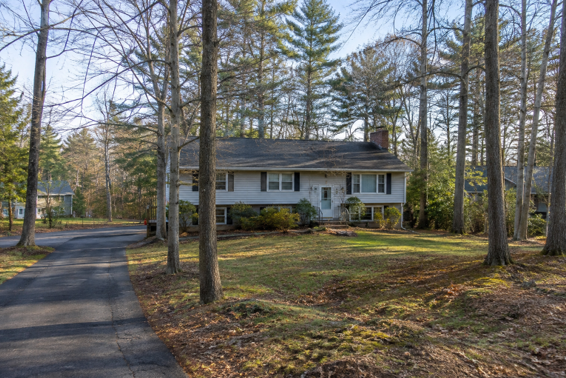
Selling a home in Colchester, Connecticut, can feel especially complicated when repairs have piled up, a move needs to happen quickly, or the property is part of an estate, divorce, or inherited-home situation. Homeowners considering a direct-sale route can review https://www.naples-group.com/we-buy-houses-colchester-ct/ while comparing it with a conventional listing and other options. An as-is sale can reduce the time, expense, and disruption of preparing a home for the market, but it is not a shortcut around careful pricing, contract review, title work, or honest disclosures. The best route depends on the home’s condition, the owner’s timeline, likely repair costs, and the amount the seller expects to receive at closing.
Before choosing a path, it helps to separate a fast transaction from a strong financial outcome. A seller who needs to avoid open houses may reasonably value convenience, while another seller may be willing to make limited updates to attract a larger buyer pool. Homeowners who want to learn about a direct purchase option may also visit https://www.naples-group.com/ as part of a broader comparison.
What “As-Is” Means in a Colchester Home Sale
In an as-is sale, the buyer agrees to purchase the property in its current physical condition. The phrase does not mean a buyer must skip inspections, nor does it mean a seller can conceal a known defect. Buyers may still inspect the roof, heating system, well or septic components, foundation, electrical work, or other parts of the property before deciding whether to proceed. For example, a Colchester home with dated flooring, older cabinets, and faded paint may be an uncomplicated as-is listing because many buyers can clearly see the cosmetic issues. A home with recurring water intrusion, a structural concern, or an unresolved title issue requires more careful pricing and documentation because these issues may affect financing, negotiations, or the closing schedule.
Local Market Factors That Can Affect Value
Colchester homes do not all compete on the same terms. Lot size, road location, access to local amenities, school-area preferences, the condition of major systems, and the appeal of rural or wooded surroundings can all influence buyer interest. A well-maintained home near everyday conveniences may draw a different audience than a property that needs extensive work on a more secluded parcel. Use recently closed comparable sales as a starting point, not active listing prices alone. Closed sales show what buyers actually paid, while active listings show only what sellers hope to receive. An experienced local agent, appraiser, or attorney can help identify circumstances that make a particular property materially different from nearby sales.
See also: How Lifestyle Coaching Has Become Part Of Cosmetic Dentistry
Four Ways to Sell a Home in Colchester
There is no universal best choice. The following comparison can make the tradeoffs easier to see.
| Option | Potential Advantages | Possible Tradeoffs |
| Agent listing | Broad exposure and marketing support | Showings, preparation, commissions, negotiations |
| For-sale-by-owner | Owner controls marketing and communication | Owner handles pricing, paperwork, and screening |
| As-is listing | Less repair work before marketing | May require a price adjustment or narrower buyer pool |
| Direct cash sale | Potentially simpler and faster process | Offer should be weighed against likely net proceeds elsewhere |
When Repairs May Be Worth the Cost
Not every project produces a worthwhile return. Prioritize safety concerns and issues that could prevent a buyer from obtaining financing, then consider low-cost improvements that make the home easier to evaluate. Cleaning, removing clutter, correcting obvious leaks, and addressing hazardous conditions can be more practical than starting a large renovation shortly before a sale. For major work, obtain at least two written estimates and calculate the full cost of waiting. Include contractor charges, mortgage payments, taxes, insurance, utilities, and the inconvenience of delaying a move. If a repair is unlikely to increase the net proceeds by more than it costs, an as-is sale may be the more sensible choice.
How to Compare Offers Fairly
Compare offers based on the money likely to reach the seller, not the headline price alone. Subtract commissions or service fees, buyer credits, expected repairs, unpaid taxes, mortgage payoff amounts, and other closing expenses. Then review the buyer’s financing, inspection rights, appraisal contingency, requested closing date, and proof of available funds. A lower offer with verified funds, limited contingencies, and a firm closing date may be more dependable than a higher offer that depends on financing or an open-ended inspection request. Ask whether the agreement permits assignment to another buyer, because that language can change who ultimately completes the purchase.
Connecticut Disclosures and Seller Paperwork
Sellers should gather the deed, mortgage payoff information, recent tax bill, permits, utility records, repair invoices, and a clear list of known defects. Connecticut’s guidance for buying or selling real estate covers subjects including purchase contracts, disclosures, inspections, and license verification for real estate professionals. As-is language should never replace accurate disclosure. Sellers facing probate, divorce, inherited-property questions, liens, boundary issues, or ownership disputes should consider speaking with a Connecticut real estate attorney before signing an agreement.
Questions to Ask a Cash Buyer
- Are you the final buyer, or do you plan to assign the contract?
- Can you provide current proof of funds?
- How did you calculate the offer amount?
- Who pays title, recording, and closing costs?
- What inspection or cancellation rights are included?
- Is there a specific closing date in the written agreement?
- Will an independent attorney or closing professional handle the transaction?
Wholesaling deserves particular attention because the initial contract holder may plan to transfer the agreement to someone else. Connecticut’s rules for real estate wholesaling explain registration requirements, seller protections, and important contract-related limits. Read every assignment, cancellation, and inspection clause before committing to a sale.
A Simple Selling Timeline and Checklist
- Set a target closing date and decide which priorities matter most.
- Collect property, loan, tax, permit, and maintenance documents.
- Review recent comparable local sales and request repair estimates as needed.
- Compare at least two sale paths and calculate estimated net proceeds.
- Review every offer, contingency, and assignment provision carefully.
- Complete disclosures, title work, inspections, and moving arrangements.
Selling an as-is house in Colchester can be a practical decision when the numbers, timing, and terms align. Whether the right answer is a conventional listing, limited repairs, or a direct sale, a careful comparison of net proceeds and contract risk can help homeowners move forward with greater confidence.
Conclusion
Selling an as-is house in Colchester requires balancing convenience, financial expectations, and the responsibilities involved in a property transaction. Before choosing a selling method, assess the home’s condition, review recent comparable sales, and consider whether repairs are worth the time and expense. Compare offers based on estimated net proceeds, buyer credibility, contingencies, closing costs, and the proposed timeline rather than focusing only on the purchase price. Accurate disclosures, organized property records, and careful contract review can also help reduce misunderstandings and unexpected delays. Whether you choose a traditional listing, an as-is listing, or a direct cash sale, the goal is to find terms that fit your circumstances while protecting your interests throughout the process.