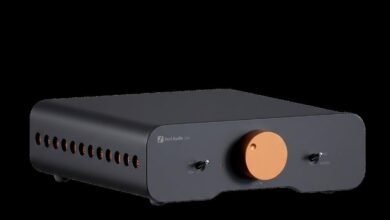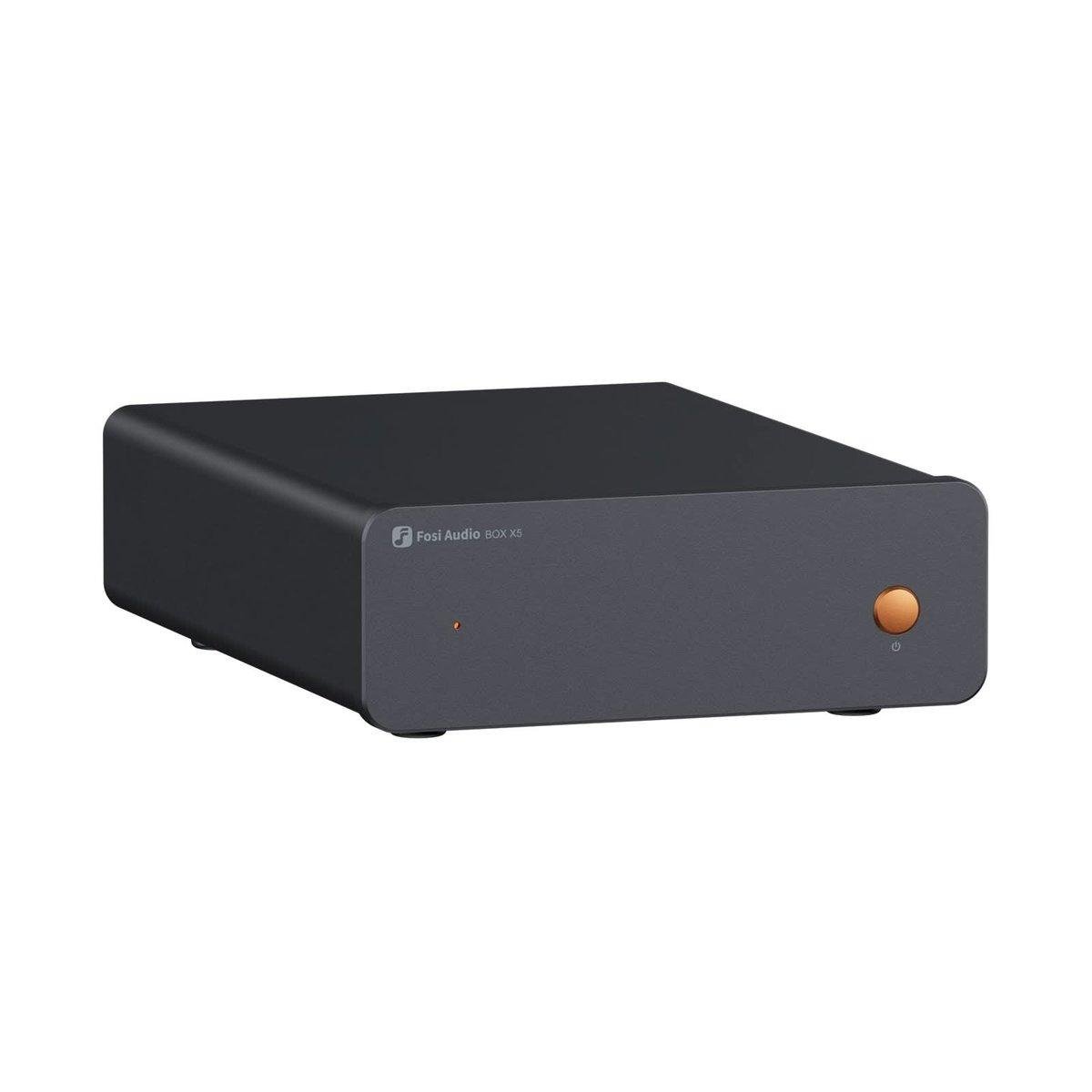
A turntable phono preamp is a small purchase that has an outsized effect on the sound of your records. It sits between your turntable and your amplifier, and its quality determines how much of the music in the groove actually reaches your ears. This buying guide explains what to look for, what to ignore, and how to choose a turntable phono preamp that suits your system and your budget.
Know Your Cartridge First
Before you look at any phono preamp, find out which cartridge your turntable uses. This single fact narrows the choice more than anything else. Moving magnet cartridges are fitted to the vast majority of affordable and mid-range turntables. They produce a relatively strong signal and work with almost any phono preamp. Moving coil cartridges produce a much weaker signal, need considerably more gain, and only work with a phono preamp designed for them.
Many turntable phono preamps support both cartridge types, either through a switch or through adjustable gain, and that flexibility is worth having if you might upgrade your cartridge in the future. A phono preamp that handles both types will stay useful for years, even as the rest of your system changes.
Gain: Getting the Volume Right
Gain is the amount of boost the turntable phono preamp applies, measured in decibels. A moving magnet cartridge generally needs around 40 decibels of gain, while a moving coil cartridge needs 60 or more. If the gain is too low, your records will sound quiet next to your other sources.
Most good phono preamps offer switchable gain, letting you choose the right level for your cartridge. A phono preamp that only just reaches the required gain will work, but one with a comfortable margin will sound cleaner and give you more flexibility later.
Noise Performance Matters Most
A phono preamp amplifies one of the weakest signals in your system, so its own noise performance is critical. The best phono preamps are silent in operation, producing no audible hiss or hum even when the volume is high.
Build quality is a good guide to noise performance. A solid metal case shields the circuit from interference, a clean power supply keeps mains noise out, and careful internal layout prevents the circuit from picking up hum. When you read reviews, pay close attention to what they say about background noise. A phono preamp that reviewers describe as quiet and black is one that will let your music shine.
Useful Features and Unnecessary Extras
A few features are genuinely useful. A subsonic filter removes very low-frequency rumble caused by warped records and footfall, protecting your speakers and cleaning up the bass. Adjustable loading lets you fine-tune the sound for a particular cartridge, which matters more as you move up the range. A mono switch is handy if you own older mono records.
Other features add little. Remote controls, digital displays and multiple inputs look impressive in photographs, but they do nothing for the sound. A simple, well-built turntable phono preamp will almost always outperform a feature-packed one at the same price.
Matching Your Budget to Your System
the turntable phono preamp should suit the system it joins. A sensible guide is to spend roughly the same amount on the turntable phono preamp as you spent on the cartridge, or a little less. That keeps the whole chain at a similar level, so no single component holds the others back.
There is little point buying a very expensive phono preamp for an entry-level turntable, because the turntable and speakers will hide any improvement. Equally, a cheap phono preamp will hold back a good turntable and cartridge. Balance matters more than the absolute amount you spend, and a well-matched affordable phono preamp will sound better than an expensive one in the wrong system.
5 Questions to Ask Before You Buy
- What cartridge do I have: moving magnet or moving coil, and what gain does it need?
- Does the turntable phono preamp support my cartridge type, with the right gain?
- How quiet is it: do reviews praise its low noise and clean background?
- Is the build solid: does it have a metal case and a clean power supply?
- Does it suit my system: is it matched to the quality of my turntable and speakers?
Where to Buy and What to Check
Buy from a reputable hi-fi dealer if you can. A good dealer will let you listen to the turntable phono preamp in your own system, or at least offer a returns policy so you can try it at home. Listening at home is the only reliable way to judge a phono preamp, because the sound depends on the turntable, cartridge and speakers it is paired with.
When the turntable phono preamp arrives, check the contents carefully. You should find the unit itself, a power supply, and a manual explaining the switches and settings. Connect it properly, attach the ground wire, set the cartridge switch, and play a record you know well. If it sounds right, you have made a good choice.
See also: Emerging Market Trade Shows: An Underrated Growth Channel for Tech Firms
Frequently Asked Questions
How much should I spend on a turntable phono preamp?
A good starting point is a similar amount to your cartridge. Affordable models from respected makers now offer excellent performance, and you can upgrade later as your system improves.
Is a more expensive phono preamp always better?
Not necessarily. A more expensive model is only better if the rest of your system is good enough to reveal the difference. In a modest system, an affordable phono preamp can sound just as good.
Can I use a phono preamp with powered speakers?
Yes. Connect the turntable to the turntable phono preamp, then connect the phono preamp to the line input on your powered speakers. The setup works exactly the same as with a separate amplifier.
Final Thoughts
Buying a turntable phono preamp is about matching, not spending. Start with your cartridge, check the gain, look for a quiet and well-built design, and choose a model that suits the rest of your system. Ignore flashy extras and focus on the quality of the circuit. Get those basics right, and the right phono preamp will bring warmth, detail and life to every record you play.