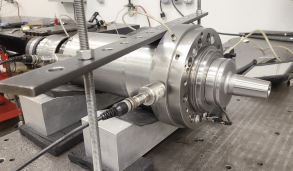
A CNC spindle plays an important role in machining because it controls the rotation of the cutting tool. When the spindle begins producing unusual noise, vibration, heat, or inconsistent machining results, identifying the cause quickly can help prevent further equipment problems.
Effective diagnosis starts with a systematic approach rather than immediately replacing components. Different symptoms can have different causes, and some problems may come from tooling, cooling, electrical systems, bearings, or machine setup rather than the spindle itself.
A structured approach to spindle motor troubleshooting can help operators identify warning signs and determine when professional inspection may be necessary.
Begin With the Symptoms
The first step is to identify exactly what has changed.
Instead of describing the problem simply as “the spindle is not working,” record the specific symptoms. This information can make diagnosis much easier.
Common warning signs include:
- Unusual noise
- Excessive vibration
- Higher operating temperature
- Reduced cutting performance
- Inconsistent surface finish
- Tool runout
- Difficulty reaching the required speed
- Unexpected spindle shutdown
- Electrical fault indications
The timing of the problem can also provide useful information. For example, an issue that appears only at high RPM may have different causes from one that occurs immediately after startup.
See also: Give Your Vehicle a New Lease of Life with Vehicle Resprays in Telford
Check the Machine Before Opening the Spindle
Not every spindle-related problem originates inside the spindle.
Before dismantling anything, inspect the surrounding machine. Check whether tooling is properly installed, whether the workpiece is secure, and whether any machine components have become loose.
A loose tool holder or workholding problem can sometimes create vibration that appears to be a spindle issue.
This initial inspection can prevent unnecessary disassembly.
Investigate Unusual Noise
Noise is one of the most noticeable warning signs.
A spindle that begins producing grinding, rattling, humming, or other abnormal sounds should be investigated rather than operated continuously without inspection.
Possible areas to check include:
- Tooling condition
- Tool-holder seating
- Bearings
- Mounting
- Cooling system
- Drive configuration
- Foreign material or contamination
The type and timing of the noise can provide useful diagnostic information.
If the noise becomes more noticeable as RPM increases, the operator should pay particular attention to balance, bearings, tooling, and machine stability.
Examine Excessive Vibration
Vibration can affect surface quality, dimensional accuracy, tool life, and spindle components.
Start by checking the simplest possibilities. Confirm that the cutting tool and holder are correctly installed and that the workpiece is secure.
If these areas appear normal, inspect the spindle and machine mounting.
Potential sources include:
- Tool imbalance
- Damaged tooling
- Incorrect cutting parameters
- Bearing wear
- Spindle runout
- Loose mounting components
- Machine rigidity problems
Avoid assuming that the spindle itself is always responsible for vibration.
Monitor Operating Temperature
Temperature changes can provide an early warning of potential problems.
A spindle that becomes significantly hotter than normal may have an issue involving cooling, bearings, operating conditions, or another component.
The first checks should include the cooling system and ventilation.
For liquid-cooled equipment, inspect the coolant level, circulation, and relevant components according to the manufacturer’s instructions. For air-cooled systems, check airflow and ventilation.
Operating temperature should always be considered in relation to the manufacturer’s specified limits.
Inspect the Cooling System
Insufficient cooling can cause performance problems and may shorten component life.
Regular inspection should include:
- Airflow
- Cooling fans
- Coolant circulation
- Tubes and connections
- Radiators or heat exchangers where applicable
- Signs of blockage
- Unusual temperature changes
Maintenance procedures vary between spindle designs, so the manufacturer’s recommendations should be followed.
Check Tool Runout
Runout occurs when the rotating tool does not remain precisely aligned with the intended axis.
Excessive runout can create poor surface finishes, uneven tool wear, vibration, and dimensional inconsistencies.
When machining quality changes unexpectedly, inspect the tool, collet, holder, and spindle interface.
Worn or contaminated components can affect tool positioning.
Review Electrical Conditions
Some spindle problems are related to electrical or control-system conditions rather than mechanical components.
If the spindle fails to start, stops unexpectedly, or does not reach the commanded speed, inspect the relevant electrical and control indicators.
Depending on the machine, areas to investigate may include:
- Power supply
- Drive or inverter
- Wiring
- Control signals
- Error codes
- Parameter settings
Electrical inspection should be performed by appropriately qualified personnel where required.
Look at the Operating Parameters
Incorrect machining parameters can create symptoms that resemble mechanical failure.
Feed rate, cutting depth, tool selection, and spindle speed all influence the load placed on the spindle.
If a problem appears only during a particular machining operation, review the cutting conditions before assuming that a component has failed.
Comparing current settings with established machine parameters can help identify changes.
Use a Step-by-Step Diagnostic Process
A useful diagnostic sequence can be simple:
- Stop the machine safely.
- Record the symptoms.
- Check tooling and workholding.
- Inspect the spindle mounting.
- Examine cooling conditions.
- Review electrical warnings or error codes.
- Check operating parameters.
- Compare temperature, noise, and vibration with normal conditions.
- Consult the manufacturer’s technical documentation.
- Arrange professional service if the cause remains unclear.
This approach reduces random troubleshooting and helps create a clear record of what has already been checked.
Know When to Stop Operation
Some problems should not be ignored.
If the spindle develops severe vibration, abnormal overheating, smoke, burning smells, significant mechanical noise, or other serious warning signs, continued operation may increase the risk of damage.
In such circumstances, the machine should be stopped safely and inspected according to appropriate procedures.
Users should avoid attempting complex repairs without the necessary technical knowledge and equipment.
Preventive Maintenance Can Reduce Problems
Troubleshooting is only one part of spindle care. Preventive maintenance can help identify developing problems before they become major failures.
Useful maintenance practices may include:
- Regular cleaning
- Cooling-system inspection
- Tool-holder checks
- Monitoring operating temperature
- Listening for unusual noise
- Checking vibration trends
- Reviewing error history
- Following manufacturer maintenance schedules
Keeping records can be particularly useful in production environments because gradual changes may be easier to identify over time.
When Professional Inspection Is Appropriate
Some problems require specialized equipment or technical expertise. Bearing inspection, electrical testing, spindle balancing, precision runout measurement, and internal repairs may require professional service.
If basic external checks do not identify the cause, professional diagnosis can help determine whether repair, component replacement, or further machine inspection is appropriate.
FAQs
1. What should I check first when a CNC spindle behaves abnormally?
Start with basic external checks such as tooling, tool holding, workholding, mounting, cooling, error messages, and operating parameters. These checks can identify simple causes before more complex inspection is considered.
2. Can vibration always be blamed on the spindle?
No. Vibration can result from tooling, workholding, cutting parameters, machine rigidity, mounting, or spindle components. A systematic inspection is useful for identifying the actual source.
3. When should a spindle be professionally inspected?
Professional inspection is appropriate when serious symptoms persist, the cause cannot be identified through basic checks, or the issue involves internal mechanical or electrical components that require specialized equipment.
Conclusion
A structured approach can make CNC spindle diagnosis more efficient and reduce unnecessary component replacement. Operators should begin by documenting symptoms and checking external factors such as tooling, workholding, cooling, machine setup, and operating parameters.
Noise, vibration, temperature changes, runout, and electrical warnings can all provide useful clues. When the cause cannot be identified safely through basic inspection, professional service and manufacturer guidance should be used.
Regular monitoring and preventive maintenance can also help detect changes early and support more reliable CNC machining operations.