When it comes to protecting and enhancing industrial, commercial, and even residential floors, few solutions offer the combination of durability, flexibility, and chemical resistance found in polyurethane floor coating systems. As facility owners and contractors increasingly look for long-lasting flooring solutions that can withstand heavy use, polyurethane coatings have become a go-to choice across a wide range of applications.
This guide introduces the fundamentals of polyurethane floor coatings, covering how they work, their key benefits, and what buyers should consider when selecting the right product for their specific flooring needs.
What Is Polyurethane Floor Coating?
Polyurethane floor coating is a protective flooring system formed by applying a polyurethane resin over a concrete or other suitable substrate, creating a durable, seamless surface layer. Polyurethane chemistry provides a unique combination of flexibility and hardness, allowing these coatings to absorb impact and resist cracking better than some more rigid coating alternatives, while still providing excellent abrasion and chemical resistance.
Polyurethane coatings are available in a range of formulations, including pure polyurethane systems and polyurethane-epoxy hybrid systems, each offering slightly different performance characteristics suited to different application environments.
Key Benefits of Polyurethane Floor Coatings
Superior Flexibility and Impact Resistance
Compared to many other rigid flooring coatings, polyurethane systems offer greater flexibility, allowing them to better absorb impact from dropped tools, heavy equipment, or thermal expansion and contraction without cracking , a significant advantage in demanding industrial environments.
Excellent Chemical and Abrasion Resistance
Polyurethane coatings are widely valued for their resistance to a broad range of chemicals, oils, and solvents, as well as their ability to withstand heavy foot and vehicle traffic without significant wear, making them well-suited to demanding industrial and commercial applications.
UV Stability
Many polyurethane formulations offer good UV resistance, helping prevent yellowing or degradation when exposed to sunlight , an important consideration for outdoor applications or spaces with significant natural light exposure.
Temperature Resistance
Polyurethane coatings generally perform well across a wide temperature range, making them suitable for environments with significant temperature fluctuations, such as cold storage facilities or outdoor applications in variable climates.
Common Applications for Polyurethane Floor Coating
Polyurethane floor coatings are used across a diverse range of industries and settings, including:
- Industrial Manufacturing Facilities – Where heavy machinery, chemical exposure, and constant foot traffic demand durable flooring
- Food and Beverage Processing Plants – Where chemical resistance and hygiene compliance are critical
- Parking Structures and Garages – Where flexibility and resistance to vehicle traffic and weather exposure are important
- Warehouses and Logistics Facilities – Where heavy equipment traffic requires long-lasting, durable surfaces
- Commercial Kitchens – Where resistance to grease, chemicals, and frequent cleaning is essential
- Pharmaceutical and Laboratory Environments – Where chemical resistance and cleanability support strict hygiene standards
Polyurethane vs. Other Common Floor Coating Types
The table below compares polyurethane floor coating to other commonly used flooring coating systems.
| Coating Type | Flexibility | Chemical Resistance | UV Stability | Typical Applications |
| Polyurethane | High | Excellent | Good | Industrial, food processing, parking structures |
| Standard Epoxy | Low | Good | Poor (yellows with UV) | Indoor commercial/industrial floors |
| Polyurethane-Epoxy Hybrid | Moderate-High | Very Good | Moderate | Heavy-duty industrial applications |
| Polyaspartic Coating | Moderate | Good | Excellent | Fast-cure commercial applications |
This comparison highlights why polyurethane coatings are often preferred specifically in applications involving heavy impact, chemical exposure, or outdoor UV exposure, where its particular strengths offer clear advantages over alternative coating systems.
Selecting the Right Polyurethane Formulation
Not all polyurethane floor coatings are formulated the same way, and selecting the appropriate product depends heavily on the specific application environment. Key factors to consider include expected traffic levels, chemical exposure types, temperature conditions, and whether the installation is indoors or exposed to outdoor weather conditions.
Working with knowledgeable suppliers who can help match specific product formulations to a facility’s unique operating conditions helps ensure optimal long-term performance from the coating system.
Installation Considerations
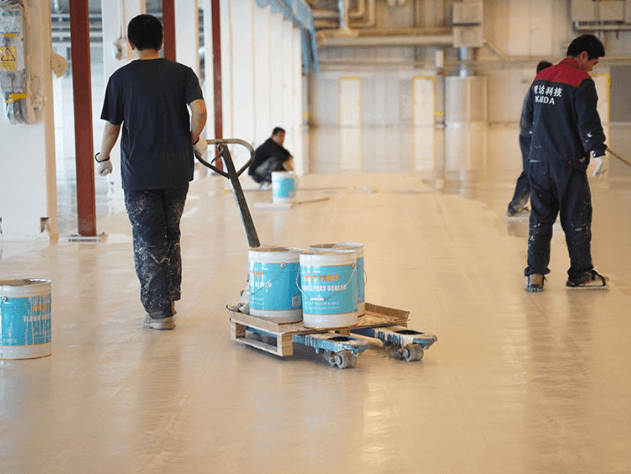
Proper installation is critical to achieving the full performance benefits of polyurethane floor coatings. This typically involves thorough substrate preparation, including cleaning and profiling the concrete surface to ensure proper adhesion, followed by careful application of primer, base coat, and topcoat layers according to manufacturer specifications.
Given the technical nature of proper installation, many facility owners choose to work with experienced professional installers rather than attempting DIY application, particularly for larger commercial or industrial projects where installation quality directly affects long-term coating performance.
Maintenance and Longevity
One of the significant advantages of polyurethane floor coatings is their relatively low maintenance requirements once properly installed. Routine cleaning using appropriate, non-abrasive methods typically keeps these floors performing well for many years, with proper installation and maintenance often supporting a service life significantly longer than many alternative flooring options.
Final Thoughts
Polyurethane floor coatings offer a compelling combination of flexibility, chemical resistance, and durability that makes them an excellent choice for demanding industrial, commercial, and specialized flooring applications. By understanding the key benefits and application considerations outlined in this guide, facility owners and contractors can make more informed decisions when evaluating whether polyurethane coating is the right solution for their specific flooring needs.
Working with an experienced supplier of polyurethane floor coating products, one capable of providing technical guidance suited to your specific application, ultimately helps ensure a successful, long-lasting flooring installation.