You notice the change before anyone else does, and finding a trusted veterinarian in Richmond, TX can make all the difference. Your dog skips breakfast. Your cat hides under the bed and stays there. A limp shows up after a normal walk, or a cough starts that does not sound right. That uneasy feeling settles in fast, because pets cannot explain what hurts, and waiting too long can turn a small problem into a hard one.
That is where an animal hospital matters. You are not just looking for a place that treats illness when it gets bad. You need a team that can prevent problems, spot them early, and step in when something feels urgent. The 5 essential services every animal hospital provides usually include preventive care, diagnostics, surgery, emergency treatment, and dental care. Those services cover the everyday needs that keep pets stable, safe, and comfortable through every stage of life.
Preventive care protects your pet before illness takes hold
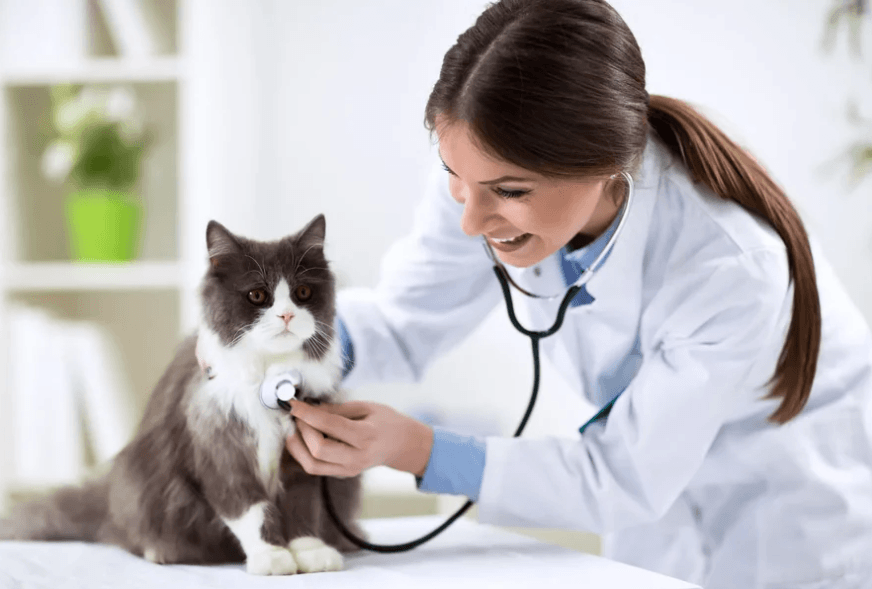
Routine wellness care is often the service people put off, especially when their pet seems fine. That is understandable. Life gets busy, and it is easy to think one missed checkup will not matter. The trouble is that many health issues start quietly. Weight gain, dental disease, parasites, arthritis, and early organ changes do not always show obvious signs at home.
Regular exams, vaccines, parasite prevention, and health screenings give your veterinary team a baseline. They can compare what is normal for your pet now with what changes later. Virginia Tech’s guidance on pet preventive care explains how routine visits help catch concerns early and reduce the chance of more serious disease.
This is also where the wider veterinary team helps more than many pet owners realize. Technicians, assistants, and support staff often handle education, monitoring, and follow-up that keep treatment on track. The AVMA’s overview of the veterinary care team shows how each role supports safer, more consistent care.
Diagnostic testing gives clear answers when symptoms are vague
Some of the hardest moments happen when you know something is wrong, but you do not know what. A pet stops eating, starts vomiting, drinks more water, or seems tired for days. Those signs can point to anything from a mild stomach issue to diabetes, infection, or kidney disease. Guessing is expensive, emotionally draining, and risky for the pet.
That is why diagnostics are one of the core animal hospital services. Bloodwork, urinalysis, fecal testing, skin testing, and imaging help narrow the cause instead of chasing symptoms. In many cases, that saves money over time because treatment becomes more targeted instead of trial and error.
Imaging is a major part of this process. X rays and ultrasound can reveal fractures, swallowed objects, tumors, fluid buildup, and internal changes that are impossible to confirm with an exam alone. Oregon State University offers a clear explanation of veterinary diagnostic imaging and how it helps doctors make better treatment decisions.
Surgical care handles injuries, illness, and planned procedures
When people hear surgery, they often think of emergencies first. Sometimes it is an emergency. A blocked bladder, a deep wound, or a swallowed toy may need fast intervention. Surgery also includes routine procedures such as spay and neuter, mass removals, dental extractions, and biopsies.
The stress here is not just medical. It is emotional and financial. You may be trying to make a decision quickly while worrying about anesthesia, pain, recovery time, and cost. A good animal hospital guides you through each step, including preoperative testing, pain control, monitoring during the procedure, and aftercare instructions that make recovery smoother at home.
This is one reason many families look for core veterinary hospital services before a crisis happens. It is easier to make calm decisions when you already know where your pet can go for surgery if the need comes up.
Emergency and critical care supports pets when every minute counts
Some situations cannot wait for the next opening on the schedule. Trouble breathing, collapse, seizures, severe bleeding, poisoning, heatstroke, or a bloated abdomen can become life threatening fast. In those moments, access to emergency and critical care is one of the most important services an animal hospital can offer, either on site or through referral.
Cornell’s information on emergency and critical care reflects what these teams handle every day, including trauma, shock, toxic exposure, and unstable medical conditions that need continuous monitoring.
You do not have to be certain it is an emergency before you call. Many pet owners hesitate because they worry about overreacting. That delay can cost precious time. If your pet suddenly cannot stand, struggles to breathe, or seems in severe pain, immediate guidance matters more than perfect certainty.
Dental care affects far more than your pet’s teeth
Dental disease is one of the most common issues veterinarians see, and it often goes untreated because bad breath gets brushed off as normal. It is not. Infected gums and damaged teeth can cause chronic pain, trouble eating, and bacteria that affect the rest of the body.
Professional dental exams and cleanings allow the hospital to check below the gumline, where much of the damage hides. Some pets also need extractions to remove painful teeth that cannot be saved. This part of animal hospital care often improves quality of life in ways owners notice quickly, including better appetite, more energy, and less irritability.
Comparing essential animal hospital services by need and timing
| Service | When Pets Commonly Need It | What It Helps Prevent or Resolve |
| Preventive care | Annual or semiannual visits, vaccines, parasite checks | Missed early disease, preventable infections, unmanaged weight or age related changes |
| Diagnostic testing | Vomiting, lethargy, limping, behavior changes, abnormal lab values | Delayed diagnosis, ineffective treatment, worsening hidden illness |
| Surgery | Spay or neuter, mass removal, injury repair, foreign body removal | Progression of painful conditions, complications from untreated injuries or growths |
| Emergency care | Breathing trouble, poisoning, seizures, trauma, collapse | Life threatening decline, organ damage, preventable death |
| Dental care | Bad breath, tartar buildup, drooling, trouble chewing, facial swelling | Chronic pain, tooth loss, gum infection, reduced appetite |
Simple steps help you use veterinary services before stress takes over
Schedule routine care before there is a problem. Book wellness exams and vaccine updates on a set schedule. Preventive visits are easier to manage than urgent visits, and they build a medical history your veterinarian can use later.
Track changes at home. Write down appetite changes, vomiting, coughing, bathroom habits, limping, and energy shifts. Short videos help too. Small details often point the veterinary team toward the right diagnostic plan faster.
Know your emergency plan. Save your primary hospital’s number, after hours instructions, and the nearest emergency location in your phone. If something serious happens at night or on a weekend, you do not want to search while panicking.
Pets depend on you to notice when something is off, and that pressure can feel heavy. The good news is that the right hospital does not just treat disease. It gives you structure, guidance, and support when you need clear next steps. Keep these essential veterinary services in mind as you choose care for your pet, and reach out to a trusted animal hospital when you see a change that should not wait.