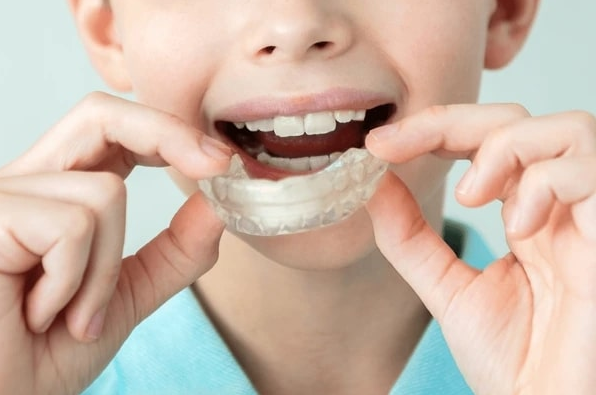
Kids typically experience difficulties with their teeth crowding when they are younger. Sometimes, when the adult teeth start coming through, there may not be enough space for them to develop into the appropriate spot. When teeth hit, twist, or grow in at weird angles, it may transform how a child’s grin appears and functions. Fixing alignment problems while a kid is still developing helps them develop stronger teeth.
There are several approaches to addressing these challenges in contemporary dental treatment. Kids and teenagers who need to have their teeth straightened may want to consider Invisalign. Treatment moves teeth slowly without the use of metal brackets and wires. Instead, they employ a set of transparent, removable aligners.
Why Crowded Teeth Develop in Children
Dental crowding occurs when there isn’t enough space on the jaw to comfortably accommodate all the teeth. Genes may also play a factor since children might inherit varying jaw and tooth sizes from different family members. The rate at which baby teeth fall out, long-term poor dental habits, and the way permanent teeth grow in may also alter alignment.
Crowding results in small overlaps and placement issues. Usually, parents are the first to notice the appearance of a child’s teeth, but crowded teeth may also make it tougher to clean and floss each day. Some areas might be hard to reach with a toothbrush or floss when teeth are close together or touching.
A pediatric dentist can monitor the child’s teeth as they develop and determine if a problem with alignment requires treatment or just further observation.
See also: How to Plan a Kitchen Remodel That Works for Real Life in Fort Collins, Colorado
Understanding Clear Aligner Treatment
Clear aligner therapy involves custom-made trays that sit over the teeth. Instead of altering braces and wires, the patient wears a series of aligners that are pre-placed. Each pair of teeth puts little pressure on some teeth to assist them in shifting over time.
The initial step in therapy is to examine the teeth, bite, jaw development, and overall oral health. Digital photographs or scans may provide a detailed view of the child’s mouth. This information allows the dentist to make a proper treatment plan.
One of the most obvious features of transparent aligners is that you can take them out. These may be removed while the children are eating and when they clean and floss their teeth properly.
When Clear Aligners May Be Considered
Different forms of dental diseases need different kinds of treatment. In certain circumstances, transparent aligners may be a useful solution for those with crowded teeth, space issues, or biting concerns. Treatment choices rely on elements including how the child’s teeth are growing in and how hard it is to shift the teeth.
Age alone does not tell whether clear aligners are good for you. A dentist will also examine to determine whether the child’s permanent teeth have all grown in and if they can follow treatment recommendations regularly.
Because the aligners may be removed, this makes being responsible that much more vital. Most of the time, you have to wear them every day for the proper length of time. Taking the aligners out or neglecting to wear them too frequently can delay treatment considerably.
Making Daily Dental Care More Convenient
When you are undergoing orthodontic treatment, it is crucial to take good care of your teeth. One advantage of removable aligners is that youngsters may still brush their teeth and floss without worrying about cleaning around set brackets.
Also, aligners need to be taken care of routinely. When removed, they should be cleaned as per the manufacturer’s recommendations and stored carefully. Good practices can assist in keeping your teeth and braces clean while you are in treatment.
Aligners are removed for eating, thus eating habits may not change too much. Kids should eat and drink as their dentist advises and put trays back in after meals.
Helping Kids Adjust to Treatment
When you start dental treatment, you have to get accustomed to it at first. When a child gets a new pair of braces, they may feel some pressure or tightness. It has to do with the regulated pressures that are moving the teeth.
Parents may help youngsters stay on track with their treatment plan by teaching them consistent methods to wear, clean, and store their aligners. Trays are less likely to be misplaced at school, during sports events, or while dining out away from home when they have their own container to store them in.
Another vital element of the procedure is to go to the dentist frequently. At these sessions, the dentist is able to examine the patient’s health and assess whether the treatment is progressing according to plan.
Looking Beyond a Straighter Smile
Improving your alignment does more than make your smile seem great. If your teeth are in the appropriate location, it may be simpler to clean and floss your teeth. A healthy bite connection is vital for pleasant oral function.
Dental specialists may also monitor newborns early to assess how the jaws and permanent teeth are growing. Other children may respond better to therapy while they are still developing; others may be advised to wait till they have more permanent teeth.
Choosing the Right Approach for Your Child
The crowded teeth of one youngster may seem like those of another, yet the dental condition may be very different. This is why it is crucial to get a tailored assessment before choosing a dental technique.
Clear aligners now provide families additional options for dental treatment for their kids or teenagers. They may be a good option for certain young patients as they are detachable, they are not visible, and they function in a systematic manner to help teeth shift over time.
The process of moving from crowded teeth to improved alignment has to be designed by a professional, worn regularly with appropriate oral care, and examined on a periodic basis. Orthodontic therapy may help children have a healthier bite and a straight smile as they become older, with a plan that is individualized to each child’s teeth development.