You are keeping track of school forms, work deadlines, grocery runs, and bedtime routines. Somewhere in the middle of all that, your own dental care can slip to the bottom of the list. A lot of parents live this way for years, putting off cleanings, ignoring sore gums, and telling themselves they will deal with it after the next busy season. That season rarely ends, which is why personalized dental care in Hartford can make it easier to finally put your own health back on the list.
The problem is simple and frustrating. Children need regular dental care, and adults do too, but family life often makes it feel easier to schedule everyone else first. A family dentist helps close that gap. When one practice can care for both kids and adults, appointments become easier to manage, problems get caught earlier, and your own health stops being an afterthought. How Family Dentists Help Adults Maintain Healthy Smiles While Raising Children comes down to one thing. They make consistent care more realistic for real families.
Family dentists reduce the strain of managing everyone’s dental care
Parents often accept a pattern that does not serve them well. The child gets a checkup because a school break opens up a slot. The parent cancels their own visit because a meeting ran late or a child woke up sick. After enough delays, a simple cleaning turns into tooth pain, bleeding gums, or a cracked filling that suddenly needs fast treatment.
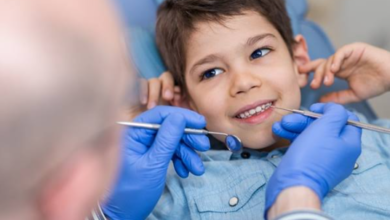
A family dentist helps by removing extra steps. Instead of juggling separate offices, separate records, and separate schedules, you can often book visits close together or on the same day. That matters more than it sounds. Convenience is not a luxury when your calendar is packed. It is often the reason care happens at all.
This also creates continuity. A dentist who sees your whole household gets a clearer picture of daily habits, diet, stress, grinding, and missed routines. If your child is snacking more during sports season, there is a good chance you are too. If everyone is rushing through bedtime brushing, that pattern tends to show up across the family.
Parents often ignore early signs until small issues become expensive ones
Adult dental problems rarely appear out of nowhere. They build quietly. You may notice cold sensitivity, tenderness when flossing, dry mouth from medication, or jaw soreness from clenching. These are easy to dismiss when you are focused on your children. They are also the signs that a dentist can address before they become harder and more expensive to treat.
According to the CDC’s oral health tips for adults, daily brushing with fluoride toothpaste, flossing, limiting sugary foods and drinks, and keeping regular dental visits remain the core habits that protect adult oral health. The issue for many parents is not knowledge. It is consistency.
That is where dental care for parents and children becomes practical, not aspirational. If your appointments are tied into the same routine as your child’s care, you are less likely to delay your own treatment. A dentist can also spot signs of gum disease, tooth wear, and oral infections that affect more than your mouth. Pain, poor sleep, bad breath, and trouble eating all affect how you show up at home and at work.
Healthy smiles for busy parents support the whole household
Children notice what you do more than what you say. If they see you skipping flossing, postponing cleanings, or treating dental pain as normal, they absorb that message. If they see you keeping your visits and taking your own health seriously, that becomes normal too.
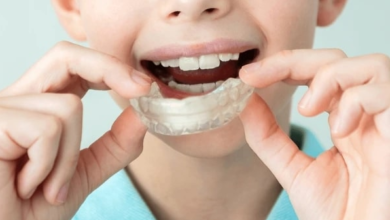
There is a practical side to this. Family routines work better when they are shared. Brushing together at night, replacing toothbrushes on the same schedule, and planning checkups as a household event can lower conflict and make oral care less of a fight. For adults, this structure can be the difference between staying on track and falling into long gaps between visits.
Some parents also deal with changes that affect oral health in less obvious ways. Stress can lead to grinding. Medications can cause dry mouth. Pregnancy and hormonal shifts can affect gums. The National Institute on Aging’s guidance on caring for your teeth and mouth explains how age, health conditions, and daily habits shape oral health over time. Even younger adults benefit from paying attention early, before wear and gum problems become harder to reverse.
See also: Term Loan vs. Line of Credit: How to Choose the Right Business Financing
Routine family dental visits help prevent avoidable problems
When adults postpone care, common issues tend to grow. Cavities deepen. Gum inflammation becomes periodontal disease. A minor chip becomes a broken tooth. MedlinePlus outlines how tooth decay develops, and the pattern is familiar. Plaque builds, enamel weakens, and damage spreads if it is not treated. Busy parents are not careless. They are stretched thin, and delayed care has consequences.
| Situation | Handling it at home only | Working with a family dentist |
| Bleeding gums | May improve brushing for a few days, then fall out of routine | Gets evaluated for gingivitis, cleaning removes buildup, home care plan is adjusted |
| Tooth sensitivity | Switches toothpaste and avoids cold drinks without knowing the cause | Checks for decay, cracks, grinding, gum recession, or worn enamel |
| Missed cleanings | Easy to postpone again when family schedules change | Combined scheduling makes follow through more likely |
| Teaching children oral habits | Relies on reminders alone | Children see parents model regular care and dental visits |
Simple steps help adults keep up with oral health while raising children
Book your appointment with your child’s visit. If you wait to schedule your own care later, later often turns into months. Ask for back to back visits or the same day when possible. This is one of the easiest ways to support healthy smiles for busy parents.
Treat small symptoms as worth attention. Bleeding when you floss, chronic bad breath, mouth dryness, jaw tension, and sensitivity are not minor if they keep returning. They are signs. Getting them checked early often means simpler treatment and less disruption for your family.
Build one household routine instead of separate ones. Keep toothbrushes visible, set a shared nighttime brushing time, and replace supplies together. When oral care becomes a family rhythm, your own habits are less likely to disappear under everything else.
Raising children can make your own health feel negotiable. It is not. Regular care with a family dentist protects your smile, helps prevent avoidable costs, and makes it easier to keep your whole household on track. If it has been a while since your last visit, schedule one and put yourself back on the list.