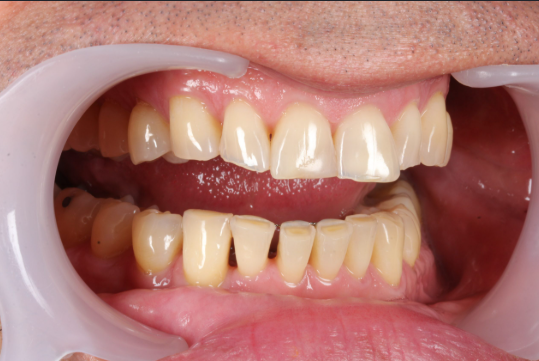
You catch your smile in the mirror and something feels off. The bonding is still there, still doing its job, but it looks dull, stained, or worn before you expected it to. That can be frustrating, especially if the work is not actually old. In many cases, the issue is not failure. It is texture. Tiny changes on the surface of dental bonding can make it reflect light differently, hold onto stains more easily, and start looking older than it is. For patients seeking customized crown and bridge care in Villa Rica, these surface changes can also be an important sign that a dental restoration may need professional attention.
If you have been wondering why a bonded tooth suddenly stands out, you are not imagining it. A rougher surface can age the look of composite bonding fast, even when the restoration is still sound. The short version is simple. Smooth bonding tends to stay brighter and blend better. Rough bonding catches pigments, plaque, and light in ways that make it look tired.
Surface texture changes how dental bonding ages in plain sight
Dental bonding is made from composite resin, a material that can repair chips, close small gaps, and improve shape or color. It is a common part of family dentist care because it is conservative and useful in many situations. You can read more about the basics of fillings and restorative materials from the National Institute of Dental and Craniofacial Research.
What many people do not realize is that bonding does not just age by the calendar. It also ages by wear. When the polished outer layer becomes rough, even on a microscopic level, the restoration can start to look older. Coffee, tea, red sauce, tobacco, and even normal chewing all interact with that texture. A smooth surface sheds stains better. A rough one gives them places to cling.
This is where appearance and function split apart. The bonding may still be attached and structurally fine, yet the color match can look worse. You might think the material is failing when what you are really seeing is surface wear, staining, and loss of gloss.
See also: Give Your Vehicle a New Lease of Life with Vehicle Resprays in Telford
Rough dental bonding attracts stains and loses its shine faster
The problem usually starts small. A bonded edge gets nicked. Night grinding creates tiny scratches. Aggressive brushing with a hard brush wears the polish down. Some whitening toothpastes are also abrasive enough to leave the surface less smooth over time. Once that texture changes, the restoration stops reflecting light the same way your natural enamel does.
That is why composite bonding discoloration often looks worse than expected. It is not only about color. It is also about shine, shadow, and contrast. Natural enamel has a certain luster. Bonding that has gone rough looks flatter and more matte, so your eye picks it up right away.
There is also a plaque issue. Rougher surfaces can hold more bacterial film, which adds to yellowing and makes the area feel less clean. If the bonding sits near the gumline, this can make the whole tooth look older and less healthy. For someone already self-conscious about their smile, that change can feel bigger than it sounds.
Material science matters here too. Dental researchers continue to study how resin materials resist wear, polish loss, and staining over time. The NIDCR also shares updates on dental materials research, which helps explain why some restorations hold their appearance better than others.
Early cosmetic aging does not always mean the bonding must be replaced
This is the part many people need to hear. If bonding looks old, replacement is not always the first answer. Sometimes a dentist can recontour and polish the surface, remove superficial stain, and restore a smoother finish. If the edge is chipped, a small repair may be enough. If the bond is leaking, broken, or badly color mismatched, replacement makes more sense.
A what if scenario shows the difference. Say you had front tooth bonding done eighteen months ago. You drink coffee every morning, you clench at night, and the tooth now looks darker than the one next to it. You may assume the material has reached the end of its life. In reality, a polish and bite adjustment could improve the look without full replacement. Another person with deep staining, margin breakdown, and a visible chip may need new bonding because the surface issue is only part of the problem.
Surface roughness affects appearance, maintenance, and cost
| Condition of Bonding | How It Looks | Common Cause | Typical Next Step |
| Smooth and polished | Shiny, blends with enamel, less stain pickup | Recent finishing, good home care, low wear | Routine monitoring and cleaning |
| Mild surface roughness | Duller, slight staining, edges more visible | Normal wear, abrasive toothpaste, light grinding | Professional polish or minor recontouring |
| Moderate roughness with stain retention | Noticeable discoloration, matte look, collects plaque | Diet stains, brushing wear, aging resin surface | Polish, repair, and evaluate bite or habits |
| Roughness with chips or margin breakdown | Looks older, uneven, may trap debris | Trauma, heavy bite forces, failing bond edges | Repair or replacement |
This is why dental bonding aging can feel sudden. The change is often gradual, but once enough stain and gloss loss build up, it becomes obvious all at once. A root service like dental bonding can still be a strong option, but it does best when the surface stays smooth and maintained.
Small steps can protect the look of your bonding
Get the surface checked before assuming the worst. If a bonded tooth looks older than it should, ask for an evaluation of polish, margins, and bite wear. A quick exam can tell the difference between cosmetic surface change and a deeper problem.
Reduce the habits that roughen resin. Use a soft toothbrush, skip harsh whitening pastes unless your dentist approves them, and wear a night guard if you grind. These changes help preserve the polished layer that keeps bonding looking newer.
Stay ahead of stain buildup. Regular cleanings matter more when you have bonding on visible teeth. If you drink coffee, tea, or red wine often, rinsing with water afterward can help. Bonding does not whiten like natural teeth, so prevention matters more than correction.
A smoother surface often means a younger looking restoration
If your bonding looks older than it is, the surface may be telling the story more than the age itself. Roughness changes color, shine, and how clean the tooth looks, often long before the restoration has truly failed. That is frustrating, but it is also useful, because many cases improve with the right maintenance or a modest repair instead of a full redo.
If your smile has started to look uneven or dull, schedule a visit with a family dentist and have the bonding evaluated before it gets worse.