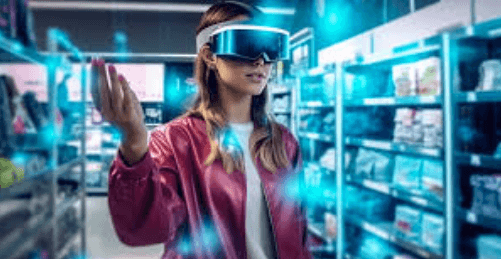
The global e-commerce industry has reached a point of saturation where traditional web pages—filled with flat grids of photos and endless scrolling—are no longer enough to capture the modern consumer’s attention. Shoppers are looking for more than just a transaction; they want an experience. This demand has paved the way for virtual fashion shopping, a transformation that is turning online retail into a dynamic, interactive, and 3D-driven journey.
Moving Beyond the “Scroll and Click” Era
For nearly two decades, the online shopping experience hasn’t fundamentally changed. You see a thumbnail, you click it, you look at a few photos, and you hope for the best. The biggest problem with this model is the lack of engagement. It feels clinical and detached.
Immersive virtual shopping breaks this monotony by bringing the “soul” of physical retail into the digital world. By using 3D environments, retailers can create virtual flagship stores where customers can “walk” through aisles, discover curated collections, and interact with products in a way that feels natural and exciting. This shift from passive browsing to active exploration is what makes virtual experiences the next big frontier.
The Power of Real-Time Interaction
The core of an immersive experience is interactivity. In a virtual fashion environment, a garment is no longer a static image; it is a live digital asset.
1. 360-Degree Product Exploration
In a virtual setup, shoppers can rotate garments, inspect the weave of the fabric, and see how light hits different materials like silk, leather, or sequins. This level of detail builds a psychological bridge between the customer and the product, reducing the hesitation that often leads to abandoned carts.
2. Instant Customization
Immersive platforms allow users to change colors, patterns, and trims on the fly. If a customer wants to see how a blazer looks in navy blue versus charcoal grey, they don’t have to navigate to a different page. The change happens instantly on the 3D model, providing immediate gratification and a sense of personalized service.
Solving the Return Crisis with Virtual Try-Ons
One of the biggest headaches for fashion e-commerce is the high rate of returns, often exceeding 30% for many brands. Most of these returns are due to “size and fit” issues. Immersive virtual shopping addresses this head-on by integrating virtual fitting rooms.
By using high-fidelity avatars, shoppers can see exactly how a dress or a pair of trousers will drape on a body type similar to their own. When the technology can accurately simulate the tension and flow of digital textiles, the customer’s confidence sky-rockets. This leads to a “Buy it once, keep it forever” mentality, which is essential for both profitability and sustainability.
Creating Emotional Connections Through Storytelling
Physical boutiques use lighting, music, and interior design to tell a brand story. Traditional e-commerce sites often lose this emotional touch. Virtual shopping spaces allow brands to regain that creative control.
A brand can design a virtual store that reflects its aesthetic—whether it’s a minimalist loft, a futuristic space station, or a lush garden. By placing their 3D products within these themed environments, brands can evoke specific emotions and create a memorable shopping journey that stays with the customer long after they have closed their browser.
The Economic Advantage for Retailers
While the user experience is the primary draw, the backend benefits for retailers are equally compelling:
- Increased Conversion: Interactive 3D content has been shown to significantly increase conversion rates compared to 2D images.
- Higher Engagement Time: Shoppers spend much more time in an immersive 3D environment than they do on a standard webpage, increasing the chances of cross-selling and up-selling.
- Reduced Content Costs: Instead of organizing multiple physical photoshoots for different regions or seasons, brands can use their 3D assets to generate infinite variations of marketing content at a fraction of the cost.
Bridging the Gap to the Metaverse
As we look toward the future of the internet, the line between social spaces, gaming, and shopping is blurring. Immersive virtual fashion experiences are the entry point into this new reality. Brands that establish their 3D presence today are preparing themselves for a world where customers will shop for both physical clothes and digital wearables for their online identities.
See also: How Professional Development Can Transform Your Work Life
Conclusion
The “Next Big Thing” in fashion e-commerce isn’t just a faster checkout or a better search bar—it is the complete reimagining of the interface. Immersive virtual shopping takes the best parts of the physical world (interaction, discovery, and emotion) and combines them with the best parts of the digital world (speed, personalization, and data).
As tools like GoShop continue to evolve, the brands that offer these high-tech, high-touch experiences will be the ones that win the loyalty of the next generation of shoppers. The future of fashion retail isn’t just about selling clothes; it’s about inviting the world into a beautiful, interactive, and three-dimensional brand universe.