Introduction
Pipeline projects require careful material selection because pipe characteristics must align with engineering specifications, operating conditions, fabrication requirements, and applicable standards. Carbon steel remains an important material for many pipeline applications, but choosing a suitable grade requires attention to more than the name of the material.
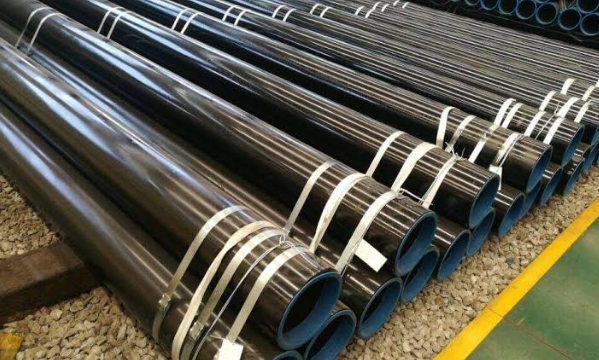
When evaluating longma china api 5l x 52 carbon steel pipe manufacturer, buyers can benefit from understanding the main factors involved in sourcing and evaluating API 5L pipeline products.
Understand the Project Specification
Every pipeline project should begin with a clearly defined material specification. This may include the required grade, pipe dimensions, wall thickness, manufacturing method, testing requirements, and applicable standards.
A detailed specification allows suppliers to understand exactly what is required. It also prevents buyers from comparing quotations that are based on different technical assumptions.
Engineering teams should establish these details before procurement begins.
See also: Give Your Vehicle a New Lease of Life with Vehicle Resprays in Telford
What Is an API 5L Grade?
API 5L is a standard associated with line pipe used in pipeline transportation systems. Different grades are available for different engineering requirements.
X52 is one grade designation used in the API 5L system. However, the grade alone does not define every characteristic needed for a particular project.
Buyers should also review pipe dimensions, manufacturing requirements, testing, delivery condition, and other specifications included in the project documentation.
Consider Pipe Dimensions
Pipe dimensions are essential to project planning. Outside diameter, wall thickness, length, and dimensional tolerances can influence installation, joining, transportation, and system design.
Procurement teams should ensure that quotations clearly state the dimensions being offered.
Accurate dimensional documentation also helps construction teams prepare equipment and installation procedures before materials arrive at the site.
Review Manufacturing Method
The manufacturing method should be compatible with the project specification. Different pipe manufacturing processes have their own production characteristics and quality-control considerations.
Buyers should confirm that the proposed manufacturing method meets the technical requirements established by the engineering team.
This is particularly important when comparing suppliers because two quotations may appear similar while being based on different manufacturing approaches.
Welding Considerations
For welded pipe, the quality of the weld is an important part of the manufacturing process. Manufacturers should have appropriate procedures for controlling welding operations and inspecting finished welds.
Inspection may include visual examination and other applicable nondestructive testing methods depending on the project specification.
Buyers should establish the required inspection scope before production begins.
Mechanical and Chemical Requirements
Pipeline steel must meet defined material requirements. Depending on the applicable specification, buyers may need information concerning chemical composition and mechanical properties.
Testing records can provide evidence that supplied materials meet the agreed requirements.
Procurement and quality teams should identify which test certificates and inspection documents are required as part of the purchase order.
Quality Documentation
Good documentation supports traceability and quality management. Buyers may request material certificates, test reports, inspection records, dimensional information, and other project-specific documents.
The documentation package should be agreed before production so that the supplier understands the buyer’s expectations.
Organized records can also simplify the receiving process once the pipe reaches the project site.
Consider Surface Protection
Pipeline steel may require corrosion protection depending on the installation environment. Coating requirements can vary according to whether the pipe will be installed underground, exposed to moisture, or subjected to other environmental conditions.
The coating system should be specified separately and evaluated according to the project’s corrosion-control requirements.
Surface preparation, coating application, inspection, and handling can all influence the final result.
Evaluate Supplier Capacity
Commercial projects may require significant volumes of pipe. Buyers should therefore evaluate whether the supplier can meet the required quantity within the project schedule.
Production capacity, raw-material availability, lead times, inspection schedules, and shipping arrangements should be discussed early.
Early planning can reduce the risk of material delays affecting construction activities.
Compare Suppliers Carefully
Supplier comparisons should include more than unit price. Buyers can evaluate:
- Grade and specification
- Pipe dimensions
- Manufacturing process
- Quality-control procedures
- Testing
- Documentation
- Production capacity
- Coating requirements
- Packaging
- Delivery schedule
A complete comparison provides a stronger basis for procurement planning.
FAQs
1. What is X52 in pipeline steel?
X52 is a grade designation within the API 5L line-pipe standard. Its suitability depends on the engineering requirements and specifications of the intended pipeline project.
2. Why are pipe dimensions important?
Dimensions such as diameter and wall thickness affect engineering design, installation, joining, transportation, and compatibility with the pipeline system.
3. What should buyers request from a pipe manufacturer?
Buyers should request relevant specifications, testing records, material documentation, dimensional information, inspection records, and other documents required by the project.
Conclusion
Selecting an appropriate carbon steel pipeline product requires careful review of grade, dimensions, manufacturing method, testing, welding, documentation, and corrosion-protection requirements. X52 may be suitable for projects where its specified characteristics meet the engineering design, but the complete project specification should always guide procurement.
By evaluating technical details alongside supplier capacity, quality systems, and delivery planning, buyers can establish a more organized approach to sourcing pipeline materials.