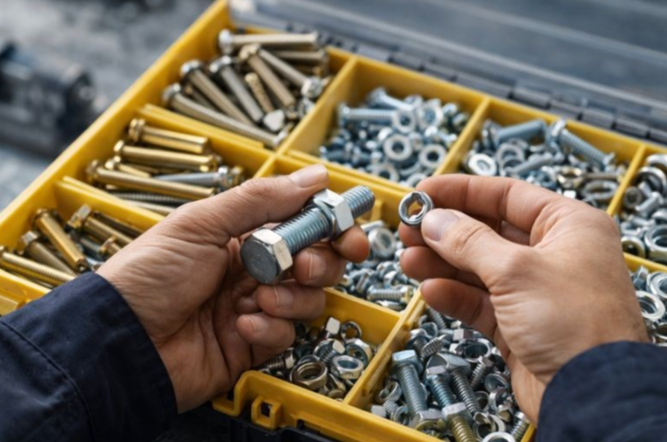
Industrial fasteners play a crucial role in ensuring the integrity and reliability of various structures and machinery. Selecting the appropriate fasteners can significantly impact the overall performance, safety, and durability of an application. This article explores key factors that should be considered when choosing industrial fasteners to achieve optimal performance.
One of the primary considerations is the material composition of the fasteners. The choice must be compatible with the materials being joined and the environment in which the fasteners will operate. For example, stainless steel fasteners are often selected for their corrosion resistance in harsh environments. The range of fasteners available includes various materials such as carbon steel, alloy steel, brass, and aluminium, each offering unique properties tailored to specific industrial needs.
Understanding Load and Stress Requirements
Industrial fasteners must be capable of withstanding the mechanical loads and stresses they will encounter. These include tensile, shear, and fatigue loads. Engineers must assess the forces involved to select fasteners with adequate strength and durability. Fasteners are often graded according to their mechanical properties, with higher-grade fasteners suitable for higher load applications.
Tensile Strength
Tensile strength refers to the ability of a fastener to resist being pulled apart. Applications involving significant tension require fasteners manufactured to high tensile strength standards. Choosing fasteners without considering tensile requirements can lead to premature failure and safety risks.
Shear Strength
Shear strength is relevant where forces act parallel to the surface of the fastener. Fasteners must be selected based on the expected shear loads to avoid shearing or deformation during service.
Environmental Factors Affecting Fastener Performance
Environmental conditions can have a profound effect on the longevity and functionality of fasteners. Factors such as temperature extremes, humidity, chemical exposure, and UV radiation must be considered. For instance, in marine environments where saltwater exposure is typical, specially coated or corrosion-resistant fasteners are essential to prevent rusting.
Temperature variations may necessitate the use of fasteners capable of maintaining mechanical properties at both low and high extremes. For example, fasteners used in aerospace or automotive industries often require special alloys that retain strength and resist thermal expansion.
Thread Type and Size Selection
The choice of thread type and size is essential for compatibility with mating components. Coarse threads are generally preferred for softer materials to reduce stripping risk, whereas fine threads provide better tensile strength and resistance to loosening under vibration. The correct pitch, diameter, and thread profile must correspond precisely to design specifications.
Surface Treatments and Coatings
Surface treatments such as galvanising, plating, or coating can enhance the corrosion resistance and wear properties of fasteners. Selecting fasteners with appropriate surface finishes is vital for extending service life, especially in challenging environments.
Common surface treatments include zinc plating, hot-dip galvanising, and phosphate coatings. These treatments provide a barrier against moisture and other corrosive agents, safeguarding the fastener and the joined components.
Installation and Maintenance Considerations
The ease of installation and future maintenance requirements must also be considered. Fasteners with standardised head types, drive designs, and readily available tooling simplify assembly and repairs. Additionally, fasteners designed to resist loosening, such as those with lock nuts or thread-locking compounds, are beneficial in applications subject to vibration.
Compliance with Industry Standards
Adhering to industry standards ensures that fasteners meet minimum quality and performance criteria. Standards set by organisations such as ISO, ASTM, DIN, and SAE provide guidance on dimensions, mechanical properties, material grades, and testing procedures.
Compliance with these standards guarantees the interchangeability and reliability of fasteners in industrial applications, thereby reducing the risk of failure and ensuring safety.
Cost Versus Performance Trade-Off
While cost is an important consideration, it should not supersede performance and safety. Opting for cheaper fasteners that do not meet the required specifications may lead to costly failures and downtime. Investing in high-quality and appropriate fasteners ensures long-term operational efficiency and cost savings.
Consultation with Suppliers and Experts
Engaging with knowledgeable suppliers can facilitate the selection process. Suppliers provide technical support, material data sheets, and advice tailored to specific applications. Partnering with reputable fastener manufacturers ensures access to quality products and professional guidance.
Conclusion
The selection of industrial fasteners demands careful consideration of material properties, mechanical requirements, environmental factors, and compliance standards. Understanding these factors aids in choosing fasteners that guarantee safety, durability, and performance. Utilising suitable fasteners sourced from reliable suppliers ensures optimal outcomes in any industrial application.