Selecting the right plant pots is a crucial step in enhancing the beauty and health of your garden. The variety of pots available on the market can make the decision quite overwhelming, but understanding certain key factors can simplify this process. This article provides comprehensive guidance on how to choose pots that will elevate your green space effectively.
Understanding Different Materials for Plant Pots
Plant pots are made from various materials, each offering unique benefits and drawbacks. Common materials include terracotta, ceramic, plastic, metal, and wood. Terracotta pots are popular for their breathability, allowing air and moisture to pass through, which is beneficial for many plants. However, they can be fragile and prone to cracking in freezing temperatures.
Ceramic pots, often glazed, provide an attractive appearance and retain moisture well but can be heavier and less breathable. Plastic pots are lightweight, affordable, and come in various sizes and colours, though they may retain too much moisture, potentially leading to root rot if drainage is insufficient.
Metal pots offer a modern look and durability but can heat up quickly in the sun, which may affect delicate roots. Wooden pots provide natural insulation but require maintenance to prevent rot. Choosing the right material depends on the plant species, location, and aesthetic preference.
Consider Size and Growth Requirements
The size of the pot is fundamental to plant health. Selecting a pot that is too small can restrict root growth, while an excessively large pot may retain too much water, increasing the risk of root diseases. It is advisable to choose a pot that allows sufficient space for roots to expand but is proportionate to the plant’s mature size.
When repotting, consider the growth rate of the plant. Fast-growing species may require larger pots or more frequent repotting, whereas slower growers thrive in snug containers. Drainage holes are essential to prevent waterlogging, particularly in larger pots.
Drainage and Water Management
Proper drainage is integral to maintaining plant health. Most plants require well-drained soil to avoid water accumulation that fosters root rot. Ensure that the pots have adequate drainage holes and consider using a layer of gravel or broken pottery shards at the bottom to facilitate water flow.
For indoor plants, saucers can catch excess water and protect surfaces, but it is important to empty these periodically to prevent standing water. Some pots come with self-watering features which are convenient but must be used with an understanding of the specific water needs of each plant.
Style and Garden Aesthetics
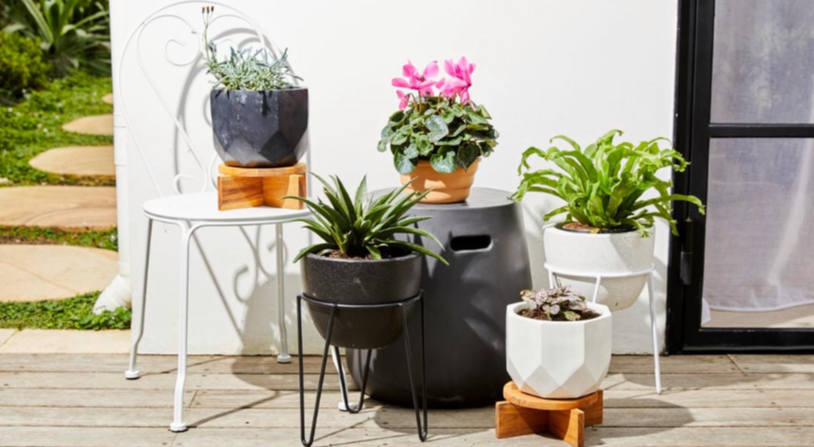
The appearance of plant pots significantly influences the overall aesthetic of a garden. Matching pot styles to garden design themes—for instance, rustic, modern, or traditional—can create visual harmony. Colour choices may complement plant foliage or flowers, or provide a contrasting highlight.
Consider the placement of pots; for example, larger, decorative pots can become focal points, while uniform pot designs can provide a cohesive look for grouped plants. Combining different shapes and textures can add depth and interest to garden compositions.
Weight and Portability
Depending on garden layout, the ease with which pots can be moved may be important. Lightweight pots, such as those made from plastic or resin, offer portability, particularly for indoor or patio plants that require seasonal repositioning. Conversely, heavy pots like those made of stone or concrete provide stability and are less likely to be tipped over by wind or animals.
Assess your garden environment and the necessity of relocating plants when deciding on pot weight and type.
Durability and Weather Resistance
Garden pots are exposed to varying weather conditions; hence durability is a consideration. Materials such as terracotta may deteriorate in freeze-thaw cycles, whereas plastic and resin pots generally withstand harsh weather better. Metal pots can rust unless properly treated, and wooden pots might degrade without regular maintenance.
Choosing pots suited for your climate ensures longevity and sustained aesthetic value in your garden.
Sustainability and Environmental Impact
With increasing environmental awareness, selecting eco-friendly pots can contribute positively. Bamboo, reclaimed wood, or biodegradable pots offer sustainable options. Plastic pots, while common, can have environmental drawbacks unless they are made from recycled materials or are recyclable themselves.
Prioritising sustainable products helps reduce your gardening footprint.
Price and Budget Considerations
Plant pots come in a wide price range. While premium pots can offer exceptional quality and design, there are cost-effective alternatives that are also functional and attractive. Setting a budget and balancing it with material quality and aesthetic preferences will help in making a prudent purchase.
Maintenance Requirements
Different pots demand varying levels of maintenance. Porous materials like terracotta may accumulate salts and require cleaning or replacement periodically. Glazed ceramics are easier to clean but may chip. Plastic pots are low maintenance but can fade over time.
Choosing pots that fit with the intended maintenance levels streamlines garden care.
Matching Pots with Plant Types
Specific plants may have preferences when it comes to pot type and material. Succulents and cacti, for example, benefit from breathable pots like terracotta, while moisture-loving ferns may thrive better in ceramic or plastic pots that retain humidity.
Researching the requirements of the plants you intend to grow will guide appropriate pot selection.
The Role of Pot Shape and Design
Besides material and size, pot shape can influence plant development. Deeper pots suit plants with long taproots, while wider, shallow pots are preferable for plants with spreading roots.
Design elements such as rims, feet, or drainage system also impact plant health and visual appeal.
Using Pots to Create Garden Zones
Pots enable the creation of designated garden zones or themes. Grouping pots of similar styles or plants creates visual interest and organisation. Consider grouping pots according to water needs or sunlight preference to simplify garden management.
Where to Purchase Quality Plant Pots
Quality of plant pots can vary, and sourcing from reputable suppliers guarantees durability and aesthetic appeal. The website of Pots Wholesale Direct offers a diverse selection of plant pots that cater to various gardening needs, combining quality with competitive pricing.
Conclusion
The selection of the perfect plant pots involves evaluating material, size, drainage, style, and other factors to ensure they complement your garden and support plant growth effectively. By understanding these considerations, gardeners can make informed choices that enhance both the beauty and vitality of their garden spaces.