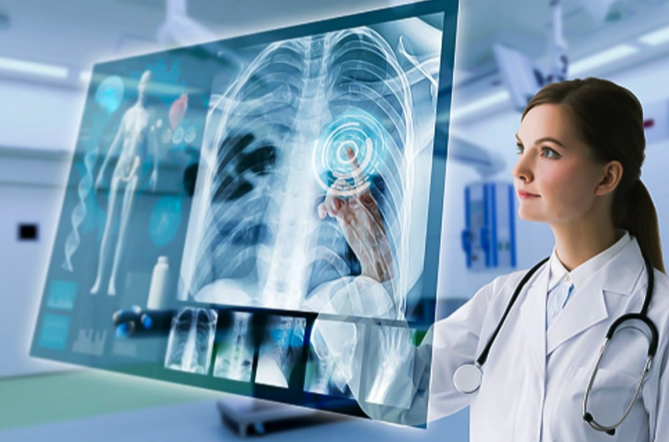
Advanced imaging technology is fundamentally transforming the field of medical diagnostics, enabling healthcare professionals to detect, diagnose, and monitor diseases with unprecedented accuracy and efficiency. This shift is having a profound impact on patient outcomes, especially in areas that require detailed visual assessments such as dermatology. For example, those seeking a skin check in Melbourne can benefit from cutting-edge imaging techniques that provide precise and non-invasive evaluation of skin conditions.
Medical imaging encompasses a broad range of modalities, including X-rays, ultrasound, MRI, CT scans, and emerging digital technologies. Each technique offers unique strengths that contribute to a comprehensive diagnostic toolkit, allowing clinicians to visualise internal structures and abnormalities with clarity.
The Evolution of Imaging Modalities
The history of medical imaging has progressed remarkably since the discovery of X-rays in the late 19th century. Today’s advanced imaging technologies incorporate digital processing, artificial intelligence, and high-resolution sensors to deliver enhanced diagnostic capabilities. Developments such as three-dimensional imaging and functional imaging are providing valuable insights into anatomical and physiological details.
Improvements in image acquisition speed and quality have made it possible to conduct more detailed examinations in less time, reducing patient discomfort and facilitating timely clinical decisions. Integration with computer-aided diagnostic tools enables automated detection of subtle changes, which might be overlooked by the human eye.
Importance in Dermatology and Skin Cancer Detection
One of the critical areas benefiting from advanced imaging technology is dermatology, particularly in the early detection and management of skin cancer. Digital dermoscopy and optical imaging systems allow for non-invasive visualisation of skin lesions at a microscopic level, providing detailed information about lesion morphology.
For residents in Melbourne requiring a thorough skin check in Melbourne, such cutting-edge diagnostic techniques can be instrumental. These technologies support early diagnosis, which is vital to improving treatment success rates and patient prognosis.
Integration of Artificial Intelligence in Imaging
The integration of artificial intelligence (AI) algorithms with medical imaging systems is a major advancement. AI can assist in interpreting complex images by detecting patterns and anomalies with high precision. This enhances diagnostic accuracy while reducing human error and workload.
Machine learning models trained on extensive datasets can differentiate benign from malignant lesions in dermatology, enable stratification of disease severity, and predict progression, thereby enabling personalised treatment plans.
Impact on Patient Care and Clinical Workflow
Advanced imaging technologies streamline clinical workflows by providing rapid, high-quality diagnostic information. Integration with electronic health records facilitates seamless access to imaging results across multidisciplinary teams, improving communication and collaboration.
From the patient’s perspective, the availability of non-invasive, quick, and accurate imaging reduces anxiety and expedites initiation of appropriate management strategies. Overall, these technologies contribute to better health outcomes, less invasive interventions, and optimised resource utilisation.
Challenges and Considerations in Implementation
Despite the significant benefits, implementing advanced imaging technology in clinical settings presents challenges. High costs of equipment and training, alongside the need for continual software updates and maintenance, require careful planning and investment.
Ensuring proper interpretation of complex imaging results necessitates ongoing education and collaboration between radiologists, dermatologists, and other specialists. Furthermore, maintaining patient privacy and data security is paramount in digital imaging systems.
Future Prospects of Medical Imaging Technology
The future of medical imaging promises even greater integration of modalities, higher resolutions, and real-time diagnostics. Developments such as molecular imaging and photoacoustic imaging hold potential for earlier disease detection and targeted therapies.
Advances in wearable imaging devices and telemedicine platforms will expand access to diagnostic services, particularly in remote or underserved communities. These innovations, underpinned by continuous research and technological advancements, will further revolutionise medical diagnostics.
Conclusion
Advanced imaging technology is revolutionising medical diagnostics by enhancing the ability to detect and evaluate diseases with greater precision. The incorporation of digital technologies and AI analytics is creating new paradigms in patient care, especially in domains such as dermatology.
Patients in Melbourne seeking comprehensive assessments benefit significantly from services that utilise these sophisticated imaging tools, such as a thorough skin check in Melbourne. As the field continues to evolve, ongoing investment and innovation will be essential to fully realise the potential of medical imaging in improving healthcare outcomes globally.