You notice the small things before anyone else does. Your dog sleeps a little more. Your cat skips half a meal. A rabbit that usually rushes to the bowl hangs back. None of it looks like an emergency, which is exactly why it gets pushed aside. Life gets busy, pets seem mostly fine, and routine visits with a veterinarian in Dickinson , TX start to feel optional until something changes fast.
That is where the growing need for preventive screenings in veterinary clinics becomes real. Most serious health problems in animals do not start with dramatic symptoms. They start quietly, with weight shifts, dental disease, early kidney strain, changes in mobility, or lab values that drift before you can see the problem at home. A good screening visit catches those changes earlier, when treatment is often simpler, less stressful, and less expensive.
Preventive pet screenings are not about overtesting. They are about finding patterns early and giving your veterinarian a baseline for what is normal for your pet. Cornell’s guidance on routine veterinary checkups makes that point clearly. Pets age faster than people, and long gaps between exams can mean missing a lot.
Preventive screenings in veterinary clinics catch problems before they become crises
You may already know the cycle. A pet seems a bit off, then normal again, then suddenly sick enough to need urgent care. That jump feels abrupt, but many conditions build slowly underneath. Heart disease, diabetes, arthritis, parasites, dental infections, and some cancers often leave clues long before the obvious decline.
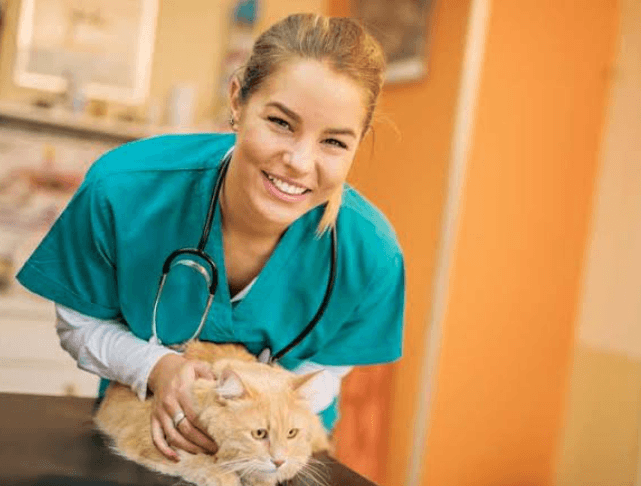
Screening changes that timeline. A routine physical exam can spot a heart murmur, a painful tooth, skin changes, or weight loss. Bloodwork can reveal kidney or liver changes before your pet stops eating. Fecal testing can uncover parasites even when stool looks normal. In older pets, blood pressure checks and urine testing can expose hidden disease that would otherwise keep progressing.
The emotional side matters too. Many pet owners delay visits because they are afraid of hearing bad news, or they assume no symptoms means no problem. That is a normal reaction. The harder truth is that waiting often creates the very outcome you were hoping to avoid. A condition caught at a screening visit may need diet changes, medication, or closer monitoring. The same condition caught months later may need hospitalization.
Early detection for pets also supports public health and clinic safety. Ongoing disease tracking helps veterinarians respond to larger threats, especially with infectious disease surveillance in animal populations. USDA APHIS outlines why animal disease surveillance matters, and the same principle applies in everyday practice. When clinics monitor health trends early, they protect individual animals and the wider community.
Routine veterinary screening protects health, time, and long-term costs
People often focus on the price of the appointment and miss the price of delay. A screening exam has a clear, planned cost. Emergency treatment rarely does. If a senior cat’s kidney disease is found early, care may involve prescription food, fluids, and regular monitoring. If it is found after a crisis, you may be facing emergency stabilization, several days of treatment, and a much steeper bill with a more uncertain outcome.
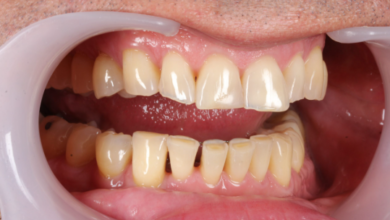
The same is true for dental disease. Mild tartar and inflamed gums can often be managed before infection spreads deeper. Left alone, that problem can turn into extractions, chronic pain, and bacteria affecting other organs. Pets are good at hiding discomfort. That is why the veterinary clinic visit matters so much. It catches what your pet will not show you clearly.
Good screening programs also create consistency. USDA APHIS discusses the value of structured veterinary oversight in its guidance on a written veterinary care program. In a clinic setting, that same idea translates into documented exams, scheduled follow-ups, and a clear health record over time. Trends matter. One blood test tells part of the story. Several years of screenings show the whole arc.
Preventive screenings offer clearer benefits than waiting for symptoms
| Approach | What Usually Happens | Likely Impact |
| Routine preventive screening | Physical exam, weight check, parasite screening, age-appropriate lab work, dental review | Earlier detection, more treatment options, fewer urgent surprises |
| Waiting for visible symptoms | Care starts after appetite loss, vomiting, limping, behavior change, or pain becomes obvious | Illness may be more advanced; care is often more expensive and stressful |
| Senior pet monitoring | More frequent exams with bloodwork, urine tests, blood pressure, and mobility assessment | Better management of age-related disease and comfort issues |
| Irregular clinic visits | Gaps in records and no clear baseline for normal values | Harder to spot gradual decline and slower decisions during illness |
Puppies and kittens need screenings for a different reason. Their visits focus on growth, parasites, vaccines, congenital issues, and behavior. Adult pets benefit from annual monitoring. Senior pets often need more frequent checks because changes can happen quickly. Age, breed, lifestyle, and medical history all shape the right plan.
Small steps make preventive veterinary care easier to keep up with
1. Schedule by life stage, not by crisis.
If your pet is young and healthy, annual visits may be enough. If your pet is older or has a chronic condition, ask about exams every six months. That schedule often matches how fast age-related disease develops.
2. Track subtle changes at home.
Write down appetite, thirst, bathroom habits, energy, weight, and mobility. Bring that information to the appointment. A veterinarian can do more with a clear pattern than with a vague sense that something feels off.
3. Ask what screenings fit your pet, not someone else’s.
A large senior dog, an indoor adult cat, and a young pet with frequent outdoor exposure do not need the exact same plan. Ask which lab tests, parasite checks, dental evaluations, and follow-ups make sense for your pet’s age and risk factors.
See also: Best Promotional Merchandise for Melbourne Retail Businesses
The growing need for preventive screenings in veterinary clinics is hard to ignore
You are not overreacting by booking a routine visit. You are paying attention. That matters more than most people realize. Preventive care gives you a chance to act before your pet is suffering, before treatment becomes more intense, and before a manageable issue turns into a crisis.
If your pet has not had a recent exam, now is a good time to schedule one with a trusted veterinary clinic and ask about the right screening plan for their age, breed, and daily life.