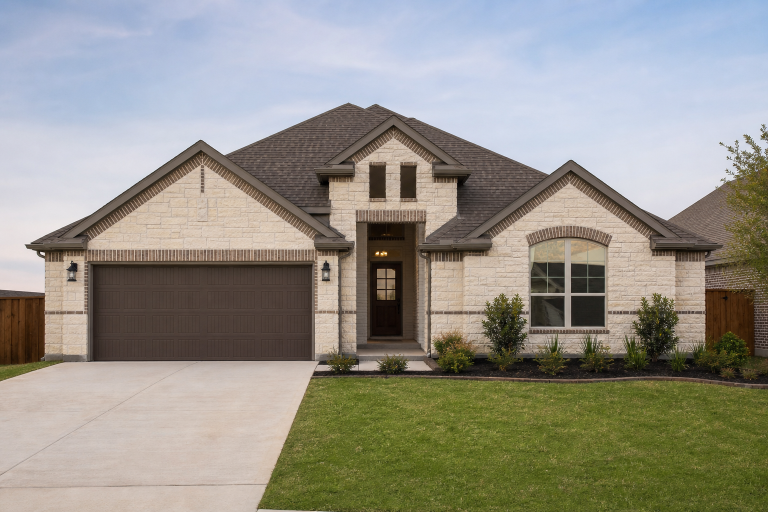
Selling a home in Blue Ridge, Texas, can feel straightforward until repairs, showings, title questions, or a fast-moving relocation enter the picture. Whether your property is a newer home, an older house needing work, or a home on a larger lot, the right approach starts with a realistic look at condition, timing, and expected costs.
Homeowners researching cash for houses in Blue Ridge, TX, may be looking for fewer repair obligations or a more predictable timeline. That can be a practical consideration, but it is still important to compare the complete written terms against other available selling options.
What Blue Ridge Sellers Should Watch
A citywide estimate cannot determine what one particular Blue Ridge home will sell for. Value can change based on lot size, road access, age, layout, updates, maintenance history, nearby construction, and the number of comparable homes available to buyers at the same time.
Start by reviewing recently sold homes that closely resemble yours, rather than focusing only on asking prices.
For sellers who prefer a direct route instead of preparing for open-market marketing, Southern Hills Home Buyers in Dallas, TX is one example of a company homeowners may evaluate alongside an agent-led listing or another buyer offer.
The Main Ways to Sell a House in Blue Ridge
No single method works for every homeowner. A traditional listing may fit a property that is clean, accessible for showings, and likely to appeal to financed buyers. It can also involve photography, marketing, inspections, appraisal requirements, and possible repair negotiations.
- As-is listing: The home is marketed to the public without a plan for major upgrades before sale.
- Direct cash sale: This may reduce preparation and financing uncertainty, although the offer should reflect all fees and terms.
- Auction or alternative sale: This can suit certain urgent or unusual circumstances, but sellers should first understand commissions, reserve terms, and buyer requirements.
Should You Repair the Home Before Listing?
Prioritize problems that could affect safety, access, or a buyer’s confidence. Active roof or plumbing leaks, damaged electrical components, nonfunctioning heating or cooling systems, and obvious trip hazards deserve attention. Basic cleaning, exterior maintenance, lighting, and decluttering can also make a home easier to evaluate.
Large remodels are not automatically worthwhile. Before beginning a major kitchen, bathroom, or cosmetic project, compare the contractor estimate with the likely benefit, the delay to market, and ongoing expenses such as taxes, insurance, utilities, and loan payments. A repair that addresses a clear defect may be more valuable than an expensive redesign based on personal preferences.
What an As-Is Sale Means in Texas
In plain language, an as-is sale means the buyer agrees to purchase the property in its present condition. It does not necessarily mean that inspections cannot happen, that a buyer cannot request changes, or that a seller may conceal known defects. The parties can still negotiate if an inspection uncovers an issue.
Texas sellers should take disclosures seriously. The Texas explanation of as-is home sales notes that property-condition disclosures and inspection provisions remain important in these transactions. Keep copies of repair invoices, insurance claim information, contractor reports, permits, and prior inspection reports. For legal questions about a specific disclosure or exemption, seek advice from a qualified Texas real estate attorney.
How to Review a Cash Offer
The highest price on paper is not always the offer that produces the best result. Request the complete contract, then compare each offer using the same checklist:
- Purchase price and earnest money amount
- Proof that the buyer has available funds
- Inspection, option, or due-diligence period
- Financing contingency or other conditions
- Requested closing date and possession date
- Title company, escrow arrangements, and seller-paid costs
- Cancellation rights, assignment language, and additional fees
Selling Inherited, Vacant, or Tenant-Occupied Property
Inherited Homes
Before marketing an inherited property, confirm who has the authority to sign. Probate, estate administration, multiple heirs, mortgages, and tax obligations can affect timing. Gather the deed, death certificate, mortgage statements, tax records, and insurance documents early.
Vacant and Rental Homes
A vacant house should be checked for water intrusion, pests, vandalism, storm damage, and utility concerns. Keep the property secured and insured. For a rental home, review the lease before promising a closing date. Tenant deposits, unpaid rent, required notices, and access for inspections should be handled carefully and documented in writing.
What to Expect Before Closing
After a contract is signed, the title company or closing provider will review ownership and identify issues that must be resolved. Sellers may need to provide disclosures, payoff information, lien releases, estate documents, or identification. Review the settlement statement before signing so you understand the sale price, credits, costs, and expected proceeds. Title problems, probate matters, or access delays can extend the timeline.
Questions to Ask Before Choosing a Buyer
- Who is the buyer named in the contract?
- Can the buyer provide proof of funds?
- Can the buyer assign the contract to someone else?
- What conditions allow the buyer to cancel?
- Who chooses the title company, and who pays which closing costs?
- Will the property be inspected, and is the closing date flexible?
Blue Ridge Home Sale Checklist
- Collect the deed, mortgage statement, insurance records, tax documents, and utility information.
- List known defects, completed improvements, liens, permits, and code notices.
- Estimate repair, cleaning, moving, storage, and holding costs.
- Set a preferred closing date and, when possible, compare at least two options.
- Read every contract provision and keep copies of all communications and receipts.
Conclusion
The best way to sell a house in Blue Ridge depends on the property, the seller’s timeline, and the trade-offs involved in the final net proceeds. A careful review of repairs, disclosures, offer terms, and closing requirements can help homeowners make a confident decision without relying on price alone.