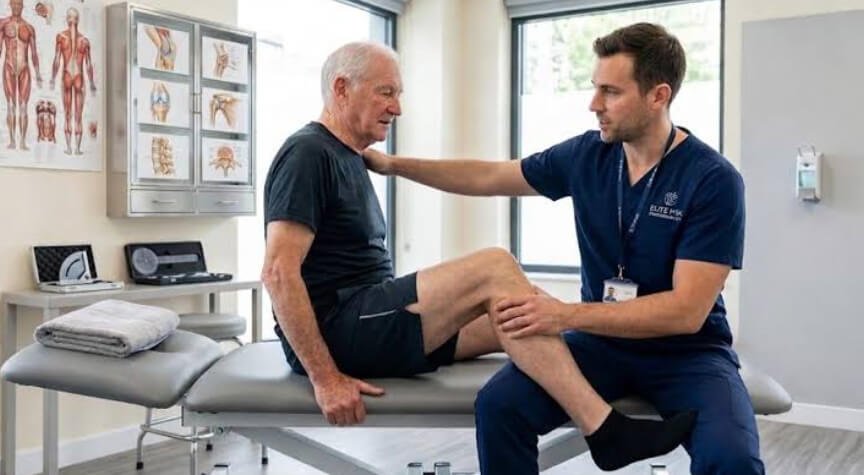
A minor ache can sometimes disappear quickly, but persistent pain or restricted movement may gradually change how a person works, exercises, sleeps, and manages everyday tasks. When those limitations continue, physiotherapy Gloucester can provide structured support focused on restoring comfortable and confident movement.
Physiotherapy combines physical assessment, rehabilitation exercises, education, and appropriate treatment techniques. The objective is not simply to focus on where something hurts but to understand how the problem affects overall function.
Looking Beyond the Location of Pain
Pain does not always tell the complete story. A painful joint may also be accompanied by weakness, stiffness, altered movement patterns, or reduced tolerance for physical activity.
That is why physiotherapy Gloucester generally begins with an individual assessment.
A physiotherapist may ask when symptoms started, what makes them better or worse, whether an injury occurred, and which activities have become difficult. Physical testing can then help identify relevant movement restrictions.
Common Reasons to Explore Physiotherapy
People seek physiotherapy for many different musculoskeletal concerns. These may include discomfort related to everyday activity, exercise, sport, repetitive tasks, or recovery after an injury.
Back and Neck Discomfort
Long periods of sitting, repetitive work, changes in activity, or physical strain can contribute to back and neck symptoms. Physiotherapy may focus on mobility, strength, movement strategies, and gradual activity progression.
Joint and Muscle Problems
Shoulders, hips, knees, and ankles are frequently exposed to repeated physical demands. When discomfort develops, rehabilitation may help restore mobility and improve the capacity of surrounding muscles.
Sports and Activity-Related Injuries
Returning to exercise too quickly can sometimes aggravate an injury. Physiotherapy Gloucester can provide progressive rehabilitation designed around the demands of the activity a person wants to resume.
A Personalized Plan Makes a Difference
Rehabilitation should reflect individual circumstances.
An office worker experiencing discomfort after prolonged sitting will have different needs from a runner returning after a lower-limb injury. Similarly, an older adult trying to improve everyday mobility may require a different approach from someone preparing to resume recreational sport.
Exercise With a Clear Purpose
Therapeutic exercises may target strength, flexibility, mobility, balance, endurance, or movement control. The exact selection depends on assessment findings.
As the body adapts, exercises can be progressed. This prevents rehabilitation from remaining too easy while helping avoid unnecessary increases in physical demand.
Consistency Outside Appointments
Regular participation can be important during rehabilitation. A carefully designed program is most useful when exercises and movement recommendations become part of the person’s routine.
Small, manageable sessions are often easier to maintain than occasional intensive efforts.
People can also pay attention to everyday movement. Changing positions during long periods of sitting, pacing demanding activities, and gradually increasing exercise can complement physiotherapy Gloucester.
Knowing When to Arrange an Assessment
Pain that repeatedly returns deserves attention, especially when it starts changing normal behavior. People may begin avoiding stairs, limiting exercise, reducing walking, or compensating during simple movements.
An assessment can help clarify which physical factors may be involved and what steps may support recovery.
For individuals searching for convenient care, locating physiotherapy support in the community can also make attending rehabilitation appointments more practical.
Progress Is More Than Pain Reduction
Although symptom improvement is important, functional progress can be equally meaningful.
Being able to reach overhead comfortably, walk farther, lift with greater confidence, or return to an activity can indicate that rehabilitation is moving in a useful direction.
See also: The Benefits of a Pest Control Subscription for Homeowners
Conclusion
Physiotherapy Gloucester offers a practical approach for people experiencing pain, weakness, stiffness, or reduced movement. Assessment helps identify relevant limitations, while progressive exercises and education support the process of rebuilding function.
By focusing on meaningful activities and individual goals, physiotherapy can help people move beyond simply managing symptoms and work toward greater physical confidence in everyday life.