You may be watching your pet slow down in ways that are hard to name at first. They sleep more. They stop greeting you at the door. Meals become a negotiation. Pain comes and goes, or maybe it stays, and your pet hides it well because animals often do. By the time you start looking for answers, you are not just worried about symptoms. You may begin searching for a mobile vet in Ouachita Parish because you are trying to protect your pet from fear, pain, and one more stressful trip to a clinic.
That is where How Mobile Vets Provide Comfort-Focused Care For Terminally Ill Pets matters most. A mobile veterinarian brings medical support into the place your pet knows best. The goal is not only treatment. The goal is comfort, calm, and a plan that respects your pet’s quality of life. For many families, in-home hospice care for pets gives them room to make clearer decisions because their pet is not shaking in a waiting room or struggling to get into the car.
Mobile veterinarians reduce stress when time and comfort matter most
Terminal illness changes the rhythm of daily life. Medications have to be timed. Appetite has to be watched. Breathing, mobility, and bathroom habits become part of the day’s mental checklist. You are likely doing all of this while carrying grief that has already started, even though your pet is still with you.
A clinic visit can make that harder. A frail dog with arthritis may struggle getting in and out of the car. A cat with cancer may panic the moment the carrier appears. Pets with heart disease, advanced kidney disease, neurological decline, or severe pain often do worse when routines are broken. Stress can raise breathing effort, worsen nausea, and leave your pet exhausted for hours after the appointment ends.
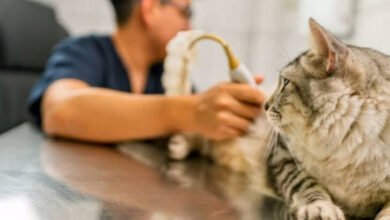
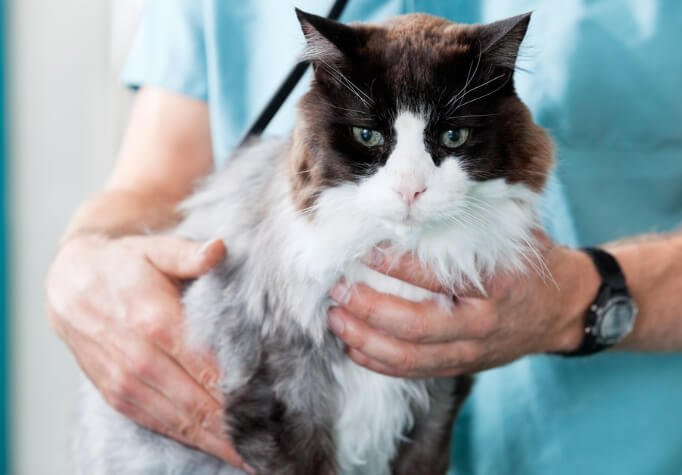
A mobile veterinarian sees your pet in real life. They watch how your dog stands up from their own bed. They see where your cat hides, how easily your pet reaches water, and whether stairs have become a real barrier. That home setting often gives a more honest picture of day-to-day function than a brief exam in an unfamiliar room.
This is the heart of comfort care for terminally ill pets. It is not one single service. It is pain control, symptom management, guidance on eating and hydration, mobility support, and honest conversations about whether your pet is still having enough good moments. It can also include help with planning for a peaceful goodbye when that time comes.
Comfort-focused veterinary care supports the whole family, not only the pet
Families often think they should know when it is time, but very few people feel certain. One day your pet seems okay. The next day they will not eat, or they fall, or they cannot settle because pain keeps breaking through. That back and forth is draining because hope and fear keep trading places.
Mobile vets help by giving structure to a situation that can feel blurry. They can create a palliative plan, adjust medications, and explain what changes are expected with a specific disease. They can also tell you what signs mean your pet is uncomfortable even if they are still wagging their tail or purring. Many pets stay socially connected long after their bodies are failing, which is why these choices feel so confusing.
If euthanasia becomes part of the conversation, home care also gives families privacy. You are not trying to hold yourself together in a parking lot afterward. You are not carrying a grieving child through a lobby. You have space to be present with your pet. The AVMA offers a helpful guide for pet owners facing euthanasia decisions that many families find grounding during this stage.
Mobile pet hospice care can balance medical needs, cost, and peace at home
Cost is part of this. Home visits may cost more than a standard office exam, and repeated visits can add up. At the same time, families often find value in fewer crisis trips, more tailored support, and better comfort for a pet that is too fragile for transport. The right choice depends on your pet’s condition, your budget, and how much hands-on help you need.
| Care Option | Best Fit | Benefits | Limits |
| Standard clinic visits | Pets stable enough to travel | Access to in-clinic equipment and staff | Travel stress, waiting room anxiety, harder for frail pets |
| Mobile veterinarian | Pets needing low stress exams and home based support | Comfort at home, real-life assessment, easier family discussion | May have higher visit fees, fewer on-site diagnostics |
| Emergency hospital care | Sudden crisis or severe uncontrolled symptoms | Immediate intervention, advanced monitoring | Can be intense, expensive, and not comfort focused |
If you want more detail on quality of life and hospice planning, the AVMA also provides resources on animal hospice and palliative care. For families preparing for the last stage, this resource on supporting clients through pet loss and end-of-life care can help frame what compassionate care should look like.
Clear steps help you make calmer decisions for your pet
Track daily comfort in writing. Start a simple log with appetite, breathing, pain signs, mobility, sleep, and interest in family life. Patterns show up faster on paper than in memory. A pet that has three hard nights in a row may need a medication change even if they still have one decent afternoon.
Prepare your home for easier care. Move food and water closer to resting areas. Add rugs for traction. Use ramps if your pet can still walk but struggles with steps. Keep medications, towels, and cleanup supplies in one place. Small changes lower stress for both of you and help a mobile vet assess what will make life easier right away.
Ask for a plan before a crisis starts. Do not wait until midnight breathing changes or sudden collapse forces a rushed decision. Ask the veterinarian what symptoms mean you should call, what can be managed at home, and what signs show your pet’s quality of life is slipping. The best end-of-life care for pets is planned, not improvised under panic.
See also: The Benefits of a Pest Control Subscription for Homeowners
Compassionate mobile veterinary care gives pets comfort and families steadier ground
You do not have to choose between loving your pet deeply and making clear medical decisions. Those two things belong together. A mobile veterinarian can help you protect comfort, reduce fear, and understand what your pet needs now, not what worked months ago. When the days feel heavy, and every choice feels loaded, care at home can bring a little steadiness back into the room.
If you are considering a mobile veterinarian for a terminally ill pet, reach out and ask about comfort care, hospice support, and home euthanasia planning. Getting guidance early often gives your pet more peace and gives you more confidence in the care you are providing.