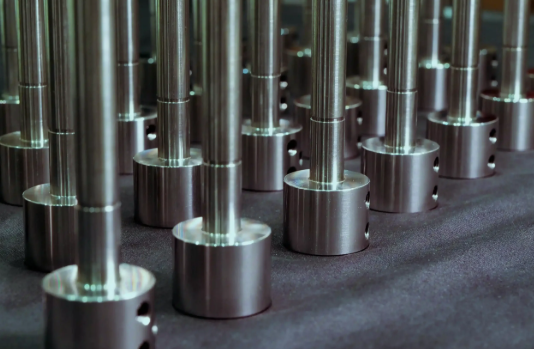
Not every project needs thousands of identical parts. For prototypes, pilot runs, and small-batch production, low volume CNC machining offers a practical path that avoids the tooling investment and lead time associated with high-volume manufacturing processes.
Why Low Volume Machining Serves a Distinct Need
Injection molding, die casting, and other high-volume processes require significant upfront tooling investment that simply doesn’t make sense for a handful of prototype parts or a small production run, making CNC machining’s tooling-free flexibility particularly valuable here.
See also: The Life Skills Gained Through Youth Basketball Training
Balancing Speed and Cost at Low Volumes
Faster Turnaround Without Tooling Delays
Because CNC machining works directly from a digital model without dedicated tooling, low volume orders can often move to production far faster than tooling-dependent alternatives.
Understanding the Per-Part Cost Curve
Per-part cost at low volumes reflects setup and programming time spread across fewer parts, making it important to set realistic cost expectations rather than comparing directly to high-volume unit pricing.
When Low Volume Machining Makes the Most Sense
Product development prototyping, bridge production while injection molding tooling is being built, and genuinely low-demand specialty parts are all scenarios where low volume CNC machining offers a practical, cost-appropriate manufacturing path.
Transitioning From Low Volume to Higher Production
For products expected to scale, discussing this trajectory with your machining partner early helps ensure design decisions made for low volume machining won’t create unnecessary friction if a later transition to higher-volume processes becomes appropriate.
For a closer look at available low volume machining capabilities, low volume cnc machining offers additional detail worth reviewing.
Frequently Asked Questions
How many parts typically qualify as “low volume” in CNC machining? This varies by part complexity and size, but generally ranges from single prototypes up to a few hundred units before other manufacturing processes often become more cost-competitive.
Is low volume machining significantly more expensive per part than high volume production? Per-part cost is generally higher at low volumes since setup and programming costs are spread across fewer parts, though this is often still more economical than tooling investment for small quantities.
Should design decisions differ between low volume and eventual high-volume production? It’s worth discussing your production trajectory with your machining partner, since some design choices work fine at low volume but create friction when transitioning to processes like injection molding later.
Final Thoughts
Low volume CNC machining fills an essential role for prototyping and small-batch production where tooling-dependent processes don’t make economic sense. Understanding its cost structure and appropriate use cases supports smarter manufacturing process planning.