As Hong Kong’s logistics and warehousing sector faces mounting pressure to improve efficiency amid rising operational costs and labor constraints, automated guided vehicle technology has emerged as an increasingly practical solution for businesses looking to modernize their material handling operations. Understanding how this technology is being applied locally offers useful insight for businesses considering similar investments. This article examines the growing role of AGV technology in Hong Kong’s logistics landscape.
What Automated Guided Vehicles Bring to Modern Logistics
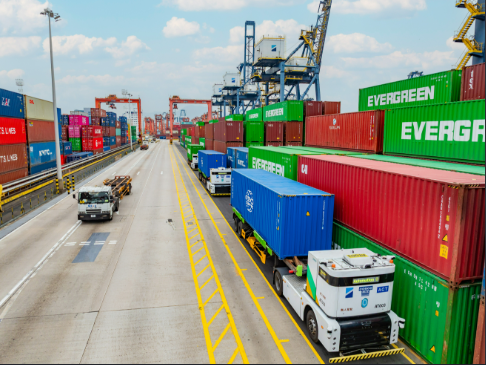
Automated guided vehicles, commonly referred to as AGVs, are mobile robots designed to transport materials within a facility along predetermined or dynamically calculated paths, without requiring a human operator for each individual movement, offering a level of consistency and efficiency that manual material handling often struggles to match at scale.
See also: How Targeted California Solar Marketing Cuts Costs
Addressing Labor Constraints Through Automation
Hong Kong’s logistics sector, like many others globally, has faced ongoing challenges related to labor availability and rising operational costs, and AGV technology offers a practical way to address certain repetitive material handling tasks without requiring a proportional increase in manual labor as operational volume grows.
Real-World Applications Across Different Industries
AGV technology has found application across a range of industries operating in Hong Kong, from warehousing and distribution centers requiring efficient goods movement, to manufacturing facilities needing consistent material transport between production stages, demonstrating the technology’s versatility across different operational contexts.
Integration With Broader Warehouse Management Systems
The real operational value of AGV technology often comes from its integration with broader warehouse management and inventory tracking systems, allowing automated vehicle movements to be coordinated intelligently with overall facility operations rather than functioning as an isolated technology solution. Businesses exploring this kind of automation can review case study examples of AGV hk implementation across various local industry applications.
Considerations Before Implementing AGV Technology
Adopting AGV technology requires careful consideration of facility layout compatibility, integration with existing operational systems, and realistic assessment of the return on investment timeline, since successful implementation depends on thoughtful planning rather than simply installing the technology and expecting immediate operational transformation.
The Broader Trend Toward Logistics Automation
As automation technology continues to mature and become more accessible, AGV adoption is likely to continue expanding across Hong Kong’s logistics sector, reflecting a broader regional and global trend toward increased automation in response to ongoing operational efficiency pressures.
Frequently Asked Questions
What types of facilities benefit most from AGV technology? Facilities with repetitive, predictable material movement needs, such as warehouses and certain manufacturing environments, tend to see the most significant efficiency benefits from AGV implementation.
Does implementing AGV technology require significant facility modifications? This varies depending on the specific AGV system chosen and existing facility layout, with some systems requiring more significant infrastructure adjustments than others.
How long does it typically take to see return on investment from AGV implementation? This varies considerably based on facility scale, operational volume, and specific implementation costs, making a careful individual assessment important before proceeding with adoption.
Conclusion
Automated guided vehicle technology is playing an increasingly significant role in modernizing Hong Kong’s logistics operations, offering a practical response to ongoing labor and efficiency challenges facing the sector. For businesses considering this kind of automation investment, careful planning and realistic expectations around implementation will help ensure a genuinely successful transition.