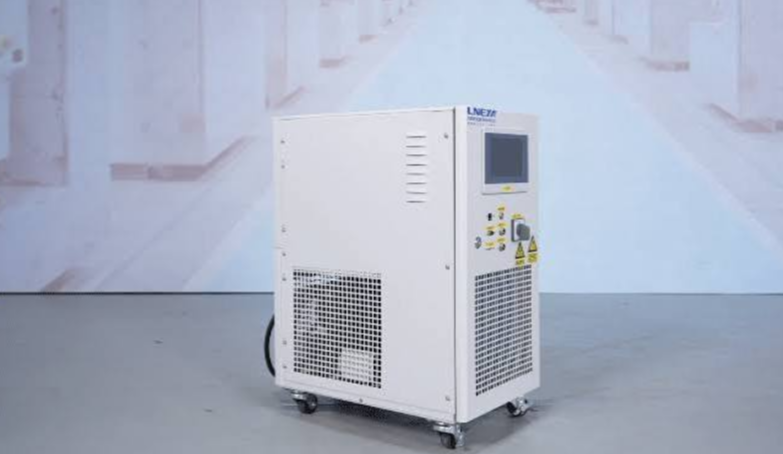
Portable chillers represent a significant advancement in cooling technology, allowing for efficient and flexible temperature control across a variety of applications. The ability to relocate these units easily makes them indispensable in both industrial and commercial settings where permanent cooling solutions are impractical. This article explores their functionality, benefits, and practical considerations to enhance cooling efficiency in diverse environments. One can find reliable units by exploring options like a portable chiller that best suits specific requirements.
What is a Portable Chiller?
A portable chiller is a self-contained cooling system designed to regulate temperature by removing heat from a designated area or process and transferring it elsewhere. Unlike stationary chillers, these units are compact, mounted on wheels or casters, and can be relocated with minimal effort. They typically consist of a compressor, evaporator, condenser, and expansion valve configured to circulate a refrigerant in a closed loop.
Applications of Portable Chillers
These chillers serve various industries, including manufacturing, medical facilities, events, and data centres. In manufacturing, they provide cooling for machinery or processes that generate excess heat. Medical facilities leverage portable chillers to maintain optimal conditions for imaging equipment. During outdoor events, these units ensure comfortable environments by facilitating temporary air conditioning solutions. Additionally, data centres use portable chillers to maintain the critical temperature necessary for server operation.
Advantages of Using Portable Chillers
One principal advantage of portable chillers is their mobility, allowing operators to deploy cooling precisely where it is needed without requiring extensive installation. They offer expedited deployment times and can be repositioned to accommodate changing cooling demands. The modular nature facilitates scalability, enabling the addition or removal of units to match load variations. Furthermore, portable chillers require less space compared to traditional systems, crucial in facilities with spatial constraints.
Technical Features of Portable Chillers
Modern portable chillers are engineered for energy efficiency and operational reliability. Many incorporate advanced controllers for precise temperature regulation and remote monitoring capabilities for enhanced management. Noise reduction features and environmentally friendly refrigerants are increasingly standard, aligning with contemporary sustainability efforts. Some units provide variable speed compressors to optimize performance based on real-time cooling requirements.
Selection Criteria for Portable Chillers
Selecting an appropriate portable chiller depends on factors such as cooling capacity, power consumption, physical size, and compatibility with the intended application. Understanding the heat load, flow rates, and fluid temperatures is essential for optimal unit sizing. Operational environment considerations include ambient temperature ranges and potential exposure to dust or moisture. Evaluating manufacturer support and maintenance requirements is also critical to ensure long-term reliability.
Installation and Maintenance
Installation of portable chillers generally involves positioning the unit near the heat source and connecting it to the process requiring cooling via appropriate piping or ductwork. Electrical connections must meet safety standards and should be performed by qualified personnel. Routine maintenance is vital to sustain performance and extend the lifespan of the equipment. This includes inspection of refrigerant levels, cleaning of coils, checking electrical components, and verifying control system functionality.
Cost Considerations
Initial investment, operational expenses, and maintenance costs influence the total cost of ownership for portable chillers. While portable units may have higher upfront costs compared to fixed installations, their flexibility can result in cost savings by negating extensive facility modifications. Energy consumption is a significant operational expense; thus, selecting energy-efficient models can reduce long-term costs.
Emerging Trends in Portable Chiller Technology
Advancements in portable chillers embrace digital integration, enabling IoT connectivity for real-time monitoring, diagnostics, and predictive maintenance. Increased emphasis on eco-friendly refrigerants reduces environmental impact. The development of compact, ultra-efficient compressors and heat exchangers enhances performance while minimising energy consumption and noise levels. These innovations contribute to more sustainable and user-friendly cooling solutions.
Conclusion
Portable chillers offer versatile, efficient cooling solutions across various industries. Their mobility, ease of installation, and adaptability make them well-suited to environments with dynamic cooling needs or spatial constraints. Careful assessment of operational requirements and thoughtful selection can maximise benefits, ensuring optimal performance and cost-efficiency. For businesses seeking dependable cooling technology, investigating options such as the portable chiller is a prudent step toward improving thermal management and operational effectiveness.