Filling or Honoring Control Joints: The Tradeoff Behind a Truly Seamless Garage Floor

Garage owners in Orlando face a clear decision when aiming for a seamless epoxy floor coating: fill and coat over control joints for an unbroken look, or honor the joints to maintain their function and prevent future cracking.
Each option carries benefits and tradeoffs shaped by local climate, slab history, and long-term durability needs. Understanding how movement, filler performance, and timing affect these choices helps guide homeowners toward the best finish for both appearance and lasting performance.
Understanding Control Joints in Orlando Garage Floors
Homeowners in Orlando often notice thin, straight lines cut into their garage floors. These are control joints, designed to manage where concrete cracks as it shrinks and settles. The purpose is not just visual. Control joints help direct small cracks along a planned path instead of letting random cracks appear throughout the slab. In a typical garage, these joints are saw-cut soon after the concrete is poured.
Orlando’s climate, with its heat and sudden rain, can influence how much these slabs expand or contract over time. That movement is the reason joints exist in the first place. Choosing whether to fill or keep these joints open is a decision that affects both the look and the performance of any new garage floor coating.
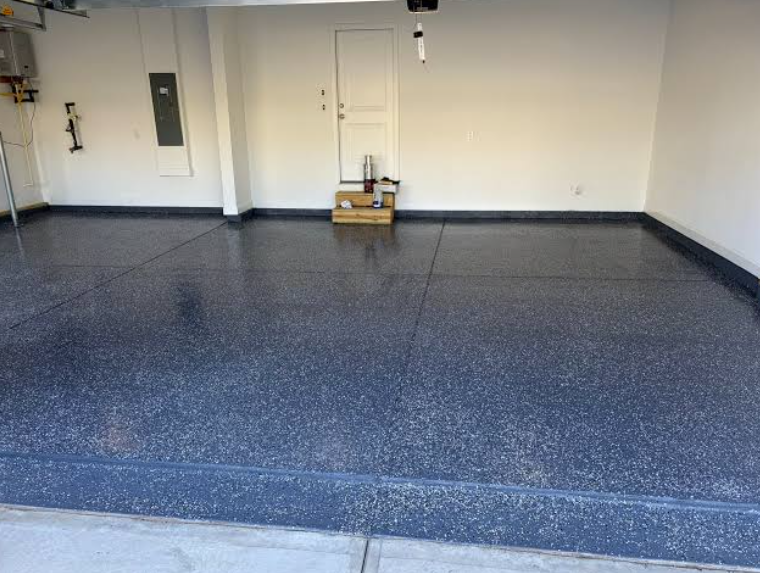
There is a tradeoff between a seamless appearance and the long-term function of control joints. Filling joints before applying an epoxy floor coating Orlando system can create a smooth, unbroken surface. However, if the concrete underneath keeps moving, a faint line may eventually show through the coating. On the other hand, keeping joints open or re-cut after coating means the floor can flex as designed, but the line remains visible.
Homeowners facing this choice should consider the age of their slab, signs of past movement, and the history of their garage’s use. For those seeking more guidance on this topic, professional epoxy floor installation in Orlando can help determine which approach best matches the condition and needs of a particular garage.
See also: The Role Of Technology In Streamlining Restorative Care
Seamless Floors: The Case for Filling and Coating Over Joints
Choosing to fill and coat over control joints for a seamless garage floor involves weighing both visual appeal and long-term performance.
- Filling joints with flexible material and applying an epoxy floor coating Orlando system delivers a smooth, continuous look. This approach appeals to those who want their garage to feel more like a finished room, with no visible lines breaking up the space. Enhanced coatings can also increase the floor’s durability and resistance to stains, as noted by Indianapolis Concrete Artisans, making it easier to keep clean and maintain.
- A seamless surface reduces the places where dirt and moisture can collect, which can help protect the underlying concrete. This method is often chosen for its convenience and sleek style, especially when the slab shows little movement history. However, if the slab continues to settle or expand, even the best flexible fillers may not prevent a faint line or crack from showing through over time.
- For homeowners who value aesthetics and want a garage that blends with the rest of the home, filling and coating joints can add value and improve daily use. Still, it is essential to understand that this choice is best suited for stable slabs that have shown minimal movement. When the slab’s past behavior is uncertain, consulting a professional can clarify whether a seamless finish will deliver lasting satisfaction or if honoring the joint is the smarter investment.
Why Concrete Slabs Move: Orlando’s Climate and Substrate Factors
Concrete slabs can continue to experience small changes after placement as drying shrinkage and environmental conditions develop. The amount and timing vary with the slab’s age, construction, drainage, subgrade preparation, and exposure to changing temperature or moisture.
A control joint may therefore look quiet while still retaining some capacity to open or shift. Before choosing a seamless finish, inspect the joint’s movement history and consider whether the surrounding slab or substrate has shown settlement, widening, or recurring cracking.
Joint filling should be planned around expected shrinkage, the garage’s operating conditions, and the coating sequence. Filling before conditions stabilize can leave later movement to open the filler or telegraph a fine line through the coating.
The selected filler and the preparation required for coating also matter, especially if grinding or other finishing work will follow. A slab that has remained stable for years may be a better candidate for filling and coating over, while a joint with continuing movement is better treated as a working line rather than concealed beneath a rigid seamless appearance.
When Honoring Joints Prevents Future Cracks and Curling
Choosing whether to honor control joints instead of filling them can prevent future cracking and curling in garage floors.
- Honoring joints means keeping the planned opening clear so the concrete can expand and contract with Orlando’s temperature and moisture swings. This approach protects the joint edges from damage and helps maintain the integrity of the floor for years, as described in general industry guidance.
- Leaving the joint open or re-cut through a finished coating allows the floor to keep moving as designed. This limits the risk of new cracks forming in unpredictable places, especially where the slab still shows signs of movement or has not fully settled.
- For garages with a history of visible shifting, honoring the joint is often the safer choice. It accepts a visible line on the surface but supports long-term durability and avoids expensive repairs caused by hidden stress beneath a seamless finish.
How Flexible Fillers Perform Under Orlando’s Heat and Moisture
Flexible fillers used in garage floor coatings must perform reliably under Orlando’s intense heat and high humidity, so it is essential to understand how these materials behave in local conditions.
- Flexible fillers are designed to move with the slab and accommodate small shifts while maintaining a seamless appearance. However, even the best fillers can be affected by Florida’s frequent temperature swings, which may cause expansion and contraction in both the concrete and the filler itself.
- When humidity is high, moisture can seep into joints or through the slab, challenging the bond between the filler and the concrete. If the filler is not compatible with the climate or the surface was not properly prepared, the joint may lose adhesion or allow fine cracks to appear through the coating.
- In areas that experience extreme sun exposure, such as west-facing garage doors, the surface temperatures can climb quickly. This can accelerate wear on flexible fillers, sometimes causing the material to soften, shrink, or discolor over time.
- Choosing a filler that is rated for both heat and moisture resistance improves the odds of a lasting seamless look. Still, small movement may cause a faint line to reappear, especially if the garage slab has a history of shifting. For homeowners in Orlando, balancing these factors helps set realistic expectations for the long-term appearance and durability of a seamless garage floor finish.
What Happens If You Fill a Still-Moving Control Joint?
Deciding whether to fill a control joint that is still moving involves weighing several possible outcomes for a garage floor’s seamless look and long-term durability.
- Surface cracking: Filling an active joint may hide the line at first, but movement beneath the coating can cause a faint crack to reappear. As the slab shifts from temperature swings or humidity changes, the coating or filler may split along the joint’s original path. This is especially true if the garage floor has a history of visible movement or sits over unsteady soil.
- Loss of flexibility: Once a joint is filled and coated, it can no longer flex independently. If the concrete continues to move, stress builds up under the surface. Instead of moving at the joint, the slab may crack elsewhere or force the coating to delaminate. Over time, this can lead to repairs that are more complex than simply maintaining the joint.
- Aesthetic tradeoff: While a seamless coating creates a clean, unified look, any ongoing movement can disrupt the finish and reveal the joint’s location. Homeowners who choose this route should understand that the visual benefits come with a risk. If the floor is likely to keep moving, a perfectly smooth appearance may not last, and the investment in a seamless finish could require touch-ups or new repairs in the future.
Key Timing: When to Fill Joints for Best Long-Term Results
The best timing for filling control joints depends on how much movement the concrete slab has shown since it was poured. Control joints are designed to manage shrinkage cracking by creating a weak plane in the concrete, but they can still open or shift with seasonal changes. Industry guidance recommends cleaning the saw cut, filling it to full depth with a semi-rigid filler, and shaving the filler flush with the floor. However, the coating should typically stop at the joint so the line remains visible.
If a rigid coating covers an active joint, even slight slab movement can cause the coating to crack along the joint line, leading to visible flaws and possible repairs. This approach supports the slab’s intended function and minimizes future coating failures. Key timing considerations include waiting until the slab has passed its initial shrinkage phase, which usually takes several weeks or even months after pouring. Filling too soon risks trapping movement that will later telegraph through the coating.
For garages in active environments or on slabs that show small seasonal shifts, honoring the joint by keeping it visible is the safest route. This timing helps preserve long-term performance and keeps the floor looking its best, especially under the stress of Orlando’s frequent temperature changes.
Recoating vs. Re-Cutting: Keeping Joints Functional After Coating
Selecting between recoating over filled joints or re-cutting them after floor coating is a key decision for keeping garage floor joints functional and visually appealing.
- Recoating over filled joints delivers a seamless, polished look that many homeowners find attractive. Epoxy floor coatings are praised for their durability and resistance to stains or chemicals, which makes this approach desirable when aesthetics and easy cleaning are top priorities.
- Re-cutting the control joints after applying a new coating keeps the joint open and allows the concrete slab to move as intended. This process ensures that any seasonal or ongoing movement does not force unsightly cracks to appear elsewhere, helping the floor maintain its structural integrity.
- Monolithic flooring systems, common in some commercial applications, are poured without control joints and chemically bonded for maximum continuity. However, this approach is not typical for Orlando residential garages, so honoring or re-cutting joints remains the practical choice for most local homeowners.
- If the garage slab has remained stable for several years with no recent signs of shifting or cracking, recoating and filling may be appropriate. For slabs that show seasonal movement or a history of shifting, re-cutting the joint after coating helps avoid future damage and preserves the floor’s long-term performance.
Signs Your Garage Slab Should Not Be Seamless Yet
Key warning signs that a garage slab should not be made seamless yet include visible cracks that have formed away from the control joints, recurring movement along the joint lines, and any evidence that the slab edges have lifted or settled unevenly. If there are areas where the concrete has shifted or where fine lines keep reappearing after previous repairs, this suggests the slab is still moving. Garages in Central Florida are especially prone to these issues because of sandy soils and seasonal moisture swings.
A slab that shows these behaviors is likely to keep shifting, making a seamless floor finish a risky choice for long-term performance. Durable coatings like epoxy are designed to handle temperature changes and heavy use, but they cannot prevent a moving slab from cracking through the finished surface.
For homeowners considering an epoxy floor coating Orlando system, the best results come from matching the floor treatment to the slab’s actual movement history. Filling and coating over joints is only recommended if the floor has been stable for several years, with no signs of new cracks or joint widening. Where there is any doubt or ongoing movement, keeping joints open or re-cut after installation preserves both safety and durability. This approach aligns with broader industry guidance on protective floor coatings, which prioritizes a resilient barrier that adapts to the building’s conditions.
By waiting until the slab fully settles, the risk of a cracked or uneven seamless finish is reduced, and the investment in professional epoxy floor installation in Orlando is more likely to deliver lasting satisfaction. Choosing to fill and coat over control joints creates a seamless garage floor, but this decision only delivers lasting results for slabs that have already proven stable over time. Honoring the joint by keeping it open or re-cut after coating allows the floor to flex as designed, reducing the risk of future cracks or curling, especially in Orlando’s shifting climate.
The most practical approach depends on slab history: floors with past movement or signs of seasonal shifting benefit from honored joints, while long-settled slabs may tolerate a seamless finish. This tradeoff underscores why evaluating the slab’s stability before deciding is essential for both durability and appearance.