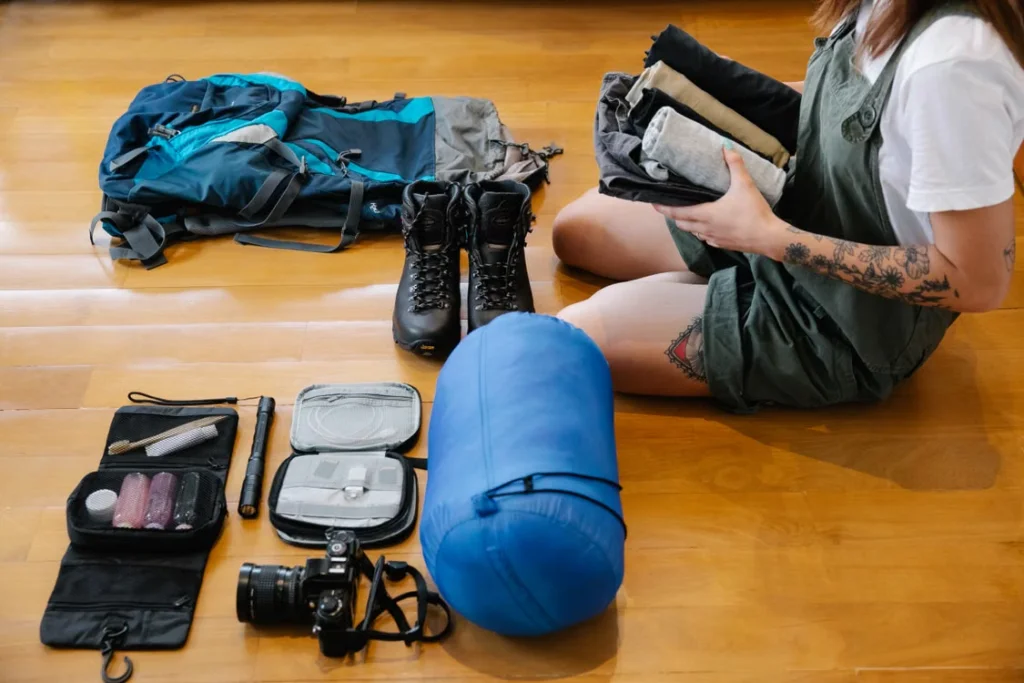
Choosing the right camping gear is about much more than convenience. Reliable equipment can provide protection from changing weather, support basic needs, and help campers respond calmly to unexpected circumstances. At the same time, the best gear setup does not necessarily contain the largest number of products. Carrying too much can create unnecessary weight and make travel more difficult, while leaving essential items behind can compromise safety and comfort. A thoughtful approach focuses on equipment that has a clear purpose, is suitable for the environment, and can be used confidently. From shelter and sleeping equipment to cooking supplies, lighting, navigation tools and first-aid essentials, every component should contribute to a well-balanced outdoor experience.
Shelter and Sleeping Gear for Protection and Rest
A dependable shelter is one of the most important components of any camping setup because it provides protection from wind, rain, insects and changing temperatures. When choosing a tent, campers should consider the number of people using it, the expected weather conditions, the terrain and the length of the trip. A tent that is quick to assemble can save valuable time at the campsite, especially when weather conditions change unexpectedly. The sleeping system is equally important because quality rest has a direct effect on energy, concentration and enjoyment during outdoor activities. A suitable sleeping bag should match the expected temperatures, while an insulated sleeping pad can provide cushioning and reduce heat loss from the ground.
Cooking and Hydration Equipment
Food and water are fundamental to a safe and enjoyable camping trip, making appropriate cooking and hydration equipment essential. A compact camping stove can make meal preparation considerably easier, particularly at sites where open fires are restricted or impractical. Campers should select a stove and fuel system that suits the trip and understand how to operate it safely before leaving home. Lightweight cookware, reusable utensils, practical OTF knives, cups, and food containers can provide everything necessary for preparing simple meals without occupying excessive space. Planning meals is another effective way to reduce both weight and waste. Ingredients can be portioned before departure, and foods that require minimal preparation can save time at the campsite. Hydration deserves equal attention. Reusable water bottles or hydration reservoirs should provide sufficient capacity for the planned activities, while longer trips may require a suitable filtration or purification system for treating water from appropriate sources.
Lighting, Navigation and Communication
Outdoor environments can become challenging once daylight fades or weather conditions reduce visibility, which makes reliable lighting and navigation equipment essential. A headlamp is particularly useful because it leaves both hands free for tasks such as preparing food, setting up a shelter or walking safely around a campsite. A separate lantern can illuminate a larger communal area, while spare batteries or a rechargeable power source can prevent an unexpected loss of light. Navigation equipment is equally important, even for campers who plan to use a smartphone or GPS device. A physical map and compass can provide a dependable backup if electronic devices lose power, become damaged or lose access to a signal. Before beginning a trip, campers should familiarize themselves with the route, identify important landmarks, and understand the conditions they may encounter.
First Aid, Clothing and Emergency Essentials
A comprehensive camping kit should always include equipment designed to address minor injuries and unexpected changes in circumstances. A first-aid kit can contain items such as adhesive bandages, sterile dressings, antiseptic supplies, medical tape, and other basic materials appropriate for the group and activity. Campers should know how to use the contents of their kit rather than carrying supplies without understanding their purpose. Clothing is another essential element because outdoor conditions can change quickly. Layering allows campers to adjust to fluctuations in temperature, while waterproof and wind-resistant outer layers can provide additional protection in unsettled weather. Suitable footwear can improve comfort and stability on uneven terrain, and spare socks can be particularly valuable when conditions are wet. Other emergency essentials may include a whistle, fire-starting equipment where legally and environmentally appropriate, a repair kit, waterproof matches or lighters, extra food and an emergency blanket.
With thoughtful preparation and a balanced approach to packing, camping gear becomes more than a collection of objects. It becomes a practical system that supports safety, comfort, independence, and the freedom to enjoy everything an outdoor adventure has to offer.