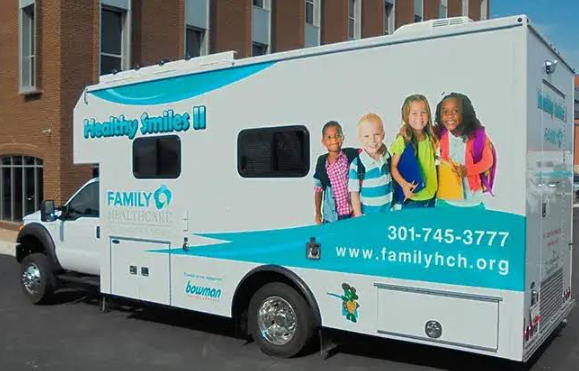
When one car serves the whole family, dental appointments can turn into a weekly puzzle. One child needs a cleaning, a parent has a filling to finish, a grandparent needs help getting in and out of the office, and someone may even need a restorative dentist for crowns and bridges North Attleborough while another still has to get to work on time. You are not disorganized. You are managing too many moving parts at once, and coordinating dental care for families with shared transportation often means every missed bus, school call, and schedule change lands on your shoulders.
The core issue is not only getting to the dentist. It is lining up care in a way that protects everyone’s oral health without creating extra stress, lost wages, or last minute cancellations. A good plan usually comes down to three things: grouping visits when it makes sense, choosing the right type of appointment for each family member, and using community resources when rides are tight.
Shared transportation changes how families use a general and family dentist
Families who share transportation often delay care for practical reasons, not because they do not care. A child’s checkup gets pushed back because a parent cannot leave work twice in one week. An older adult skips a visit because the only ride available does not allow enough time to move safely. A small cavity waits, then becomes a larger problem that needs more time, more money, and another trip.
That pattern is common. Preventive care is easier to fit into a packed life than urgent care, but urgent care is what happens when preventive care keeps getting moved. A family dental scheduling plan helps break that cycle because it treats transportation as part of the care plan, not as an afterthought.
This matters even more in households caring for both children and older adults. Older family members may need shorter visits, mobility support, medication review, or more frequent exams. The HRSA guidance on oral health for older adults shows how age, chronic illness, dry mouth, and daily function can affect dental needs. That means a single ride may involve very different appointment lengths and support needs.
Children bring another layer. School hours, sports, naps, and parent work shifts narrow your options fast. If one child is anxious, stacking too many treatments into one day can backfire. If a parent is overdue for care, it is easy to keep giving away that appointment slot to everyone else. The result is a schedule that looks efficient on paper and feels impossible in real life.
See also: Why Family Dental Visits Can Reveal Shared Lifestyle Risks
Missed appointments usually start with timing, not neglect
Most families do not miss dental visits because they forgot. They miss them because transportation plans are fragile. One person gets called into work. The car is needed elsewhere. A younger child cannot sit through a sibling’s longer procedure. You may have even made the “best” choice and still ended up rescheduling.
That is why the office matters. A general and family dentist can often reduce the number of separate trips by seeing multiple relatives on the same day, planning treatment in phases, and reserving easier procedures for grouped visits. Cleanings for two children and an exam for a parent may fit well together. A grandparent’s denture adjustment and a toddler’s first visit may not. Coordination works best when the dental team knows who is coming, who needs extra time, and who depends on the same ride.
If you are still looking for a provider or support options, the NIDCR guide to finding dental care can help you sort through clinics, dental schools, and community resources. If cost and coverage are part of the transportation problem, the CMS oral health strategy also gives useful context on access barriers and preventive care goals tied to Medicaid populations.
Practical scheduling choices reduce stress and extra trips
The best approach is not always “book everyone at once.” Sometimes that saves a trip. Sometimes it creates a three hour block that no one can manage. The better question is whether the schedule matches your ride window, your family’s energy, and the kind of care each person needs.
| Scheduling approach | When it works well | Main benefit | Main risk |
|---|---|---|---|
| Back to back family appointments | Routine cleanings and exams for siblings or parent and child | One ride covers multiple visits | Long wait time for younger children or older adults |
| Split visits on the same day | One person needs treatment, others need short preventive care | Reduces total travel days | Can run past the planned pickup time |
| Single priority appointment | Pain, swelling, broken tooth, mobility concerns | Keeps the ride focused on the highest need | Other family members may keep postponing care |
| School and work hour planning | Families with one shared vehicle and strict shift schedules | Less conflict with income and attendance | Prime slots fill quickly |
Dental appointment coordination for families works best when you stay realistic about timing. A cleaning is not only the chair time. It is loading the car, traffic, parking, paperwork, bathroom breaks, and getting everyone home. Build around the whole trip, not only the appointment length.
Small planning changes protect oral health and your schedule
1. Build one shared dental calendar
Keep every family member’s next due date in one place. Include the ride source, school pickup needs, and the earliest time someone must leave. Ask the office to note that your household shares transportation so staff can suggest blocks that fit your real availability.
2. Separate preventive visits from complex treatment when needed
Bundle simple care together, but give longer procedures their own space when they could disrupt the entire ride plan. If one person may need X rays, extra numbing time, or mobility support, a separate visit often prevents a full family reschedule.
3. Ask about access help before the appointment is booked
Do not wait until the day before. Ask whether the office offers family blocks, cancellation lists, paperwork in advance, or guidance on public transit and community ride options. If insurance or Medicaid is involved, confirm coverage and approved providers first so you do not spend a ride on a visit that cannot move forward.
Steady care is possible even with one shared ride
You do not need a perfect system. You need a workable one that respects your time, your money, and the limits of one shared vehicle. Families manage this every day by planning earlier, grouping care wisely, and treating transportation as part of dental care instead of a separate problem.
If your household has been putting off visits because the logistics feel too hard, start with the next two appointments, not the whole year. A general and family dentist can help you map out care in a way that fits the ride you actually have.