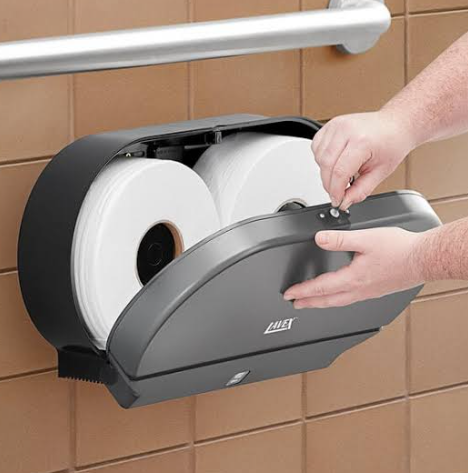
Double Jumbo Toilet Paper Dispensers: Maximizing Hygiene and Cost Efficiency in Public Restrooms

Public and commercial restrooms face a unique operational challenge: balancing constant availability with hygiene standards, all while keeping maintenance costs under control. A double jumbo toilet paper dispenser is one of the most effective tools available to facility operators trying to solve this challenge, combining extended capacity with built-in redundancy to keep restrooms stocked without constant staff intervention.
This article focuses specifically on how double jumbo dispensers contribute to both hygiene outcomes and cost efficiency, two of the most important priorities for any facility operations team.
The Hygiene Case for Double Jumbo Dispensers
Restroom hygiene has become a top-of-mind concern for building occupants, customers, and employees alike. A restroom that frequently runs out of toilet paper doesn’t just create inconvenience , it can also lead to improvised, less hygienic behaviors among users, and reflects poorly on a facility’s overall cleanliness standards.
Double jumbo dispensers help address this in several ways:
- Enclosed Housing protects paper from dust, moisture, and airborne contaminants until it’s dispensed
- Reduced Handling means less frequent staff contact with the dispenser mechanism, supporting better hygiene protocols
- Continuous Availability through the backup roll reduces the chance of users resorting to unhygienic alternatives when paper runs out
- Consistent Supply supports better overall restroom cleanliness perception among users
For facilities in healthcare, food service, or hospitality industries , where hygiene expectations are especially high , these benefits carry particular weight.
How the Dual-Roll System Supports Hygiene Goals
The core mechanism behind a double jumbo dispenser , housing two rolls with automatic or sequential transition , does more than just reduce refill frequency. It also minimizes the window of time during which a restroom could be without paper, which directly reduces the risk of users touching surfaces unnecessarily while searching for alternatives, or leaving a restroom in an unsanitary state.
In facilities with strict infection control protocols, such as hospitals and clinics, this reduced risk of restroom paper shortages can be a meaningful contributor to broader hygiene compliance efforts.
Breaking Down the Cost Efficiency Argument
While the upfront cost of a double jumbo dispenser is typically higher than a single-roll unit, the total cost of ownership often favors the double jumbo option once several factors are considered together.
Labor Cost Reduction
Janitorial staff time is one of the largest ongoing costs associated with restroom maintenance. By extending the interval between required refills, double jumbo dispensers reduce the number of staff hours spent on this specific task, freeing up time for other cleaning and maintenance priorities.
Reduced Emergency Restocking
Running out of paper unexpectedly often requires an unplanned, reactive restocking trip , which is far less efficient than scheduled maintenance rounds. The backup roll in a double jumbo system significantly reduces the likelihood of these emergency situations.
Lower Risk of Complaints and Reputational Cost
For customer-facing businesses, a restroom running out of supplies can lead to complaints, negative reviews, or a diminished customer experience. While harder to quantify directly, these reputational costs are a real factor that double jumbo dispensers help mitigate.
Cost and Hygiene Comparison: Single vs. Double Jumbo Dispensers
The table below compares single and double jumbo dispenser systems across key hygiene and cost-related factors.
| Factor | Single Jumbo Dispenser | Double Jumbo Dispenser |
| Refill Frequency | Moderate | Low |
| Risk of Running Out | Moderate | Very Low |
| Staff Restocking Time | Higher over time | Lower over time |
| Hygiene Protection (enclosed design) | Yes | Yes |
| Backup Supply | No | Yes |
| Best Suited For | Medium-traffic restrooms | High-traffic or unpredictable-traffic restrooms |
| Upfront Cost | Lower | Higher |
| Long-Term Cost Efficiency | Moderate | Higher in high-traffic settings |
This comparison highlights why many facility managers view double jumbo dispensers as a worthwhile investment specifically in higher-traffic or hygiene-sensitive environments, even with the higher initial cost.
Industries Where Hygiene and Cost Efficiency Matter Most
Certain industries face particularly strong pressure to balance hygiene standards with operational efficiency, making double jumbo dispensers a especially good fit:
- Healthcare Facilities – Where infection control standards are strictly regulated
- Food Service Establishments – Where hygiene compliance is closely tied to health inspections
- Hospitality Venues – Where guest experience directly impacts reviews and repeat business
- Educational Institutions – Where high student traffic creates unpredictable demand spikes
- Transportation Hubs – Where constant, heavy foot traffic makes supply interruptions especially disruptive
Material Choices and Their Impact on Hygiene
The material used in a double jumbo dispenser also plays a role in hygiene outcomes. Smooth, non-porous interior surfaces , common in both quality ABS plastic and stainless steel units , are easier to clean and less likely to harbor bacteria compared to units with rough or textured interiors.
Stainless steel options, while more expensive, are often preferred in healthcare and food service settings due to their superior resistance to bacterial growth and ease of sanitization compared to plastic alternatives.
Calculating Return on Investment
Facility managers evaluating whether to invest in double jumbo dispensers should consider building a simple return-on-investment model that accounts for:
- Current labor hours spent on restroom paper restocking
- Estimated reduction in restocking frequency with a double jumbo system
- Cost difference between single and double jumbo dispenser units
- Estimated value of reduced complaint or reputational risk
For facilities with consistently high restroom traffic, this analysis frequently shows a favorable payback period, particularly when labor costs are factored in alongside direct product costs.
Installation Planning for Hygiene-Focused Facilities
When installing double jumbo dispensers in hygiene-sensitive environments, facility managers should also consider complementary measures such as touchless soap dispensers, hand sanitizer stations, and automated hand dryers, creating a cohesive hygiene-focused restroom environment rather than addressing paper supply in isolation.
Choosing a Supplier Focused on Quality and Hygiene Design
Not all dispenser manufacturers place equal emphasis on hygiene-focused design details such as smooth interior surfaces, enclosed housings, and easy-to-sanitize materials. When selecting a supplier for double jumbo toilet paper dispenser systems, facility managers should specifically ask about hygiene-related design features, not just capacity and pricing.
Suppliers with experience serving healthcare, hospitality, or food service clients often have more refined hygiene-focused product options, making them a strong choice for facilities where sanitation standards are a top priority.
See also: From Idea to Legal Entity: What a Business Formation Lawyer Actually Helps With
Final Thoughts
Double jumbo toilet paper dispensers offer a compelling combination of hygiene protection and long-term cost efficiency, particularly for high-traffic or hygiene-sensitive facilities. By reducing refill frequency, minimizing the risk of supply shortages, and supporting cleaner restroom environments, these systems help facility managers meet rising expectations around cleanliness while keeping operational costs under control.
For businesses evaluating restroom infrastructure upgrades, factoring in both the hygiene and cost efficiency benefits of double jumbo dispensers provides a more complete picture of their long-term value than looking at upfront pricing alone.