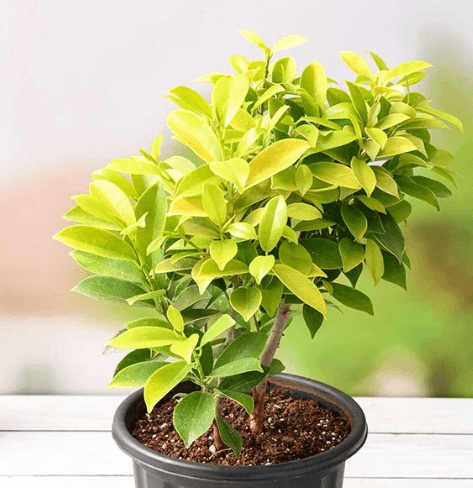
Buying large ornamental trees is fundamentally different from buying most other landscaping materials. Unlike paving stones or outdoor furniture, a mature ficus tree for sale is a living asset that, if properly cared for, can continue growing in value and visual impact for decades. Understanding what drives pricing, how to evaluate long-term care requirements, and why so many hospitality groups and landscape contractors treat these purchases as genuine capital investments rather than simple decoration purchases can help buyers make far more confident, cost-effective decisions.
What Actually Drives the Price
At first glance, it might seem like tree pricing should scale in a simple, linear way with height: taller tree, higher price. In practice, several other factors carry just as much weight, and sometimes more, when nurseries and suppliers determine pricing for mature specimens.
Trunk diameter is often the single biggest driver of cost, since a thick, well-developed trunk represents many more years of steady growth than height alone can indicate. A tree with a modest height but an unusually thick, characterful trunk can command a higher price than a taller but thinner specimen, simply because trunk girth is much harder to accelerate artificially and represents a longer, more genuine growing timeline.
Root formation is another major pricing factor, particularly for varieties known for distinctive aerial roots or sculptural banyan-style growth. Trees with naturally striking, well-formed root systems, the kind that create dramatic visual texture around the base of the trunk, are rarer and more labor-intensive to cultivate, which is reflected directly in their price relative to straight-trunk specimens of similar height.
| Cost Factor | Typical Impact on Price | Why It Matters |
| Trunk diameter | High | Indicates true age and structural maturity |
| Overall height | High | Determines suitable placement and visual scale |
| Unique root shape | Very High | Rare, labor-intensive to cultivate, hard to replicate |
| Canopy density and shaping | Medium to High | Reflects years of consistent pruning and training |
| Pot or root ball condition | Medium | Affects transplant success and short-term health |
| Transport distance | Medium | Larger trees require specialized handling and logistics |
Canopy shaping and training also factor into price, especially for sculptural forms such as S-shaped trunks or intricately trained banyan styles. These shapes typically take years of deliberate pruning and wiring to achieve, representing significant cumulative labor that gets reflected in the final price of the specimen.
Understanding Wholesale Pricing Structures
For buyers purchasing multiple trees, landscape contractors managing large projects, hotel groups outfitting several properties, or resellers supplying local garden centers, understanding wholesale pricing structures becomes especially important. Wholesale ficus tree suppliers typically offer tiered pricing based on order volume, with larger bulk orders unlocking lower per-unit costs compared to single-tree retail purchases.
This wholesale approach makes the most sense for buyers with predictable, recurring demand, such as landscaping companies that regularly bid on hospitality or commercial projects requiring consistent tree stock. Working directly with a grower rather than an intermediary reseller often provides better pricing transparency, since buyers can see exactly how sizing tiers and volume discounts are structured rather than working through multiple markup layers.
Buyers exploring a mature ficus tree for sale wholesale catalog should pay close attention to how sizing categories are defined, since consistent categorization makes it much easier to budget accurately across a large multi-tree order rather than negotiating pricing individually for every single specimen.
Protecting Your Investment: The First Few Months
The purchase price of a mature tree is only the beginning of the investment. What happens during the first few months after installation largely determines whether that investment pays off over the following decades. Newly transplanted mature trees, even healthy ones, go through a period of adjustment as their root systems settle into new soil and environmental conditions.
During this acclimation period, consistent watering is critical, though it should be balanced carefully; the goal is to keep soil evenly moist without allowing waterlogging, which can suffocate roots that are already under stress from the transplant process. Avoiding sudden temperature swings, whether from indoor air conditioning drafts or unexpected outdoor cold snaps, also helps reduce stress during this vulnerable window. Many experienced buyers recommend a gradual light adjustment as well, especially for trees moving from outdoor nursery conditions into a more controlled indoor lighting environment, since a sudden change in light intensity can cause leaf drop even in an otherwise healthy tree.
Long-Term Maintenance: Lower Effort Than Most People Expect
One of the most reassuring aspects of ficus ownership, once a tree has successfully acclimated, is how relatively low-maintenance the species is compared to many other ornamental trees. Ficus varieties are generally forgiving of minor watering inconsistencies, tolerant of a range of light conditions once established, and resilient against many common pests when kept in reasonably healthy growing conditions.
Routine maintenance mostly comes down to periodic pruning to maintain desired shape, occasional feeding during active growth periods, and monitoring for the early signs of stress such as leaf yellowing or unusual leaf drop, which can signal watering or light issues before they become serious problems. For sculptural or bonsai-style specimens, more deliberate shaping and wiring may be part of ongoing maintenance, though this is typically viewed as an enjoyable, hands-on aspect of ownership rather than a burdensome chore.
Why Longevity Makes This a Genuine Investment
Perhaps the most compelling financial argument for purchasing a mature ficus tree for sale, rather than starting from a young sapling, is the sheer longevity these trees are capable of achieving. A ficus that is properly cared for can live and continue thriving for many decades, meaning the tree purchased today can realistically remain a valuable, appreciating feature of a property for a generation or more. This is precisely why so many hotels, resorts, and public parks treat significant tree purchases as permanent landscape infrastructure rather than seasonal or temporary decoration; the return on investment plays out over an extremely long timeline compared to almost any other landscaping element.
For commercial property owners in particular, this longevity translates into ongoing brand and guest experience value. A striking mature tree installed today continues delivering the same visual impact, and often an even more impressive one as it continues to grow and mature, for years or decades after the initial purchase, all while requiring comparatively modest ongoing maintenance costs.
Budgeting for the Full Project, Not Just the Tree
Experienced buyers know that the listed price of a mature ficus tree for sale is rarely the full cost of getting that tree successfully installed and thriving in its final location. Transport for larger specimens often requires specialized flatbed vehicles or cranes, particularly for landscape-scale trees with substantial root balls, and this logistics cost can vary significantly depending on delivery distance and site accessibility. Sites with narrow access roads, limited crane clearance, or difficult terrain can add meaningfully to the total project cost, so it is worth discussing delivery logistics with a supplier early in the planning process rather than treating it as an afterthought once a tree has already been selected.
Soil preparation and planting labor represent another cost category that buyers sometimes underestimate. Large outdoor specimens typically require professionally prepared planting holes with appropriately amended soil, proper drainage consideration, and careful backfilling technique to avoid air pockets around the root ball. Cutting corners on this preparation step, even when the tree itself is high quality, can undermine long-term establishment success and lead to avoidable stress or even tree loss during the critical first growing season.
Ongoing maintenance costs, while generally modest for ficus compared to many other ornamental species, should still be factored into a realistic total budget. This includes periodic professional pruning for larger specimens, particularly sculptural or shaped forms that require skilled hands to maintain their intended appearance, as well as routine feeding and pest monitoring as part of a broader grounds maintenance program for commercial properties.
Comparing Suppliers Beyond Price Alone
When evaluating different sources for a mature ficus tree for sale, price should never be the only consideration, since the cheapest available specimen is not always the best value once transport survival rates, post-purchase support, and overall tree health are factored in. It is worth asking potential suppliers whether they offer guidance during the critical acclimation period and whether replacement options exist if a tree fails to establish despite proper care , suppliers willing to stand behind their stock are generally signaling genuine confidence in what they are selling.
Making a Confident Buying Decision
Ultimately, evaluating a mature ficus tree for sale requires looking past the sticker price alone and considering the full picture: what specifically drives that price, what wholesale options might be available for larger orders, what care commitment is required during the critical first few months, and what long-term value the tree is likely to deliver over its remaining lifespan. Buyers who take the time to understand these factors tend to make far more satisfying purchases, ending up with trees that not only look right on installation day but continue to reward that initial investment for many years to come.