Removing reinforced slabs, foundations, walls, or damaged structural sections requires more than brute force. Concrete demolition is a planned process that combines site assessment, controlled removal methods, debris handling, and safety measures. When approached correctly, it helps prepare a property for renovation, rebuilding, landscaping, or structural improvement without creating unnecessary disruption.
What Concrete Demolition Involves
At its core, concrete demolition means breaking down and removing existing concrete from a site. The work may involve a small patio, a driveway, a thick foundation, retaining walls, interior flooring, or large structural elements.
The right method depends on several factors. Concrete thickness, reinforcement, accessibility, nearby structures, underground utilities, and the amount of material all affect how the work should be planned. A careful assessment helps determine the safest and most practical approach before removal begins.
Why Proper Planning Matters
Successful concrete demolition starts well before the first section is broken. Planning reduces the risk of accidental damage and keeps the work area organized.
Site Conditions and Access
Every property presents different challenges. Tight entrances can limit equipment movement, while nearby buildings may require more controlled techniques. Interior work may also demand extra attention to dust, vibration, and debris pathways.
During concrete demolition, access routes should remain clear enough for workers, equipment, and material removal. Identifying obstacles early can prevent delays once the project is underway.
Utilities and Structural Connections
Concrete often surrounds plumbing, electrical lines, drainage systems, or structural supports. Before concrete demolition begins, these connections should be identified so the removal process does not interfere with essential infrastructure.
Structural concrete deserves particular caution. Removing the wrong section without proper evaluation may affect surrounding areas. That is why demolition sequencing matters.
Common Concrete Removal Methods
Different conditions call for different techniques. Some projects require heavy mechanical breaking, while others benefit from cutting concrete into manageable sections before removal.
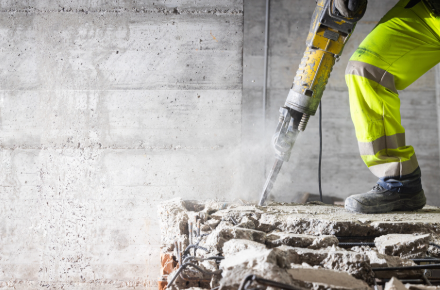
For smaller or precision-based concrete demolition, saw cutting can create clean boundaries and help separate the material from areas that must remain intact. For thicker slabs or large volumes, hydraulic breakers and heavy equipment can speed up the process.
In restricted locations, smaller tools may provide better control. The goal is not simply to break concrete quickly. Effective concrete demolition balances speed with accuracy, safety, and site protection.
Managing Dust, Noise, and Debris
Concrete removal naturally creates dust, noise, vibration, and broken material. Good site practices can reduce their impact.
Water suppression can help control airborne dust during certain stages of concrete demolition. Protective barriers may also help contain debris and keep surrounding areas cleaner. Meanwhile, organized loading and removal prevent broken concrete from accumulating in work zones.
What Property Owners Should Expect
A well-managed project usually follows a clear sequence: assessment, preparation, isolation of the work zone, demolition, debris removal, and final cleanup. Before arranging concrete demolition, property owners should understand what will be removed, what must remain protected, and how the area will be left afterward. Clear scope prevents confusion and helps the project move more smoothly.
Choosing a Safe, Controlled Approach
The best concrete demolition strategy is the one that fits the site rather than relying on a one-size-fits-all method. A small residential slab and a reinforced commercial structure require very different planning.
A clean work zone at the end also makes inspection easier. Remaining surfaces can be checked for damage, loose material, or unfinished edges before the next phase begins.
See also: The Benefits of a Pest Control Subscription for Homeowners
Conclusion
Concrete demolition is a technical process that depends on planning, suitable equipment, controlled execution, and responsible debris management. Whether the goal is to remove an old slab, open space for renovation, or clear damaged concrete, the quality of the preparation directly affects the result.
By treating concrete demolition as a structured project instead of simple breaking and hauling, property owners can reduce avoidable risks, protect nearby areas, and create a cleaner foundation for the next phase of work.