Bathtub drains endure frequent exposure to water, soap, hair, cleaning products, and everyday wear. Over time, components may deteriorate, become difficult to operate, or develop problems that simple cleaning cannot correct. Understanding when bathtub drain replacement may be appropriate helps homeowners distinguish ordinary clogs from issues involving the physical condition of the drain assembly itself.
A Clog and a Damaged Drain Are Different Problems
Slow bathtub drainage is often associated with hair and soap accumulation. In those situations, clearing the obstruction may restore normal flow.
Replacement becomes a different consideration when the drain hardware is worn, damaged, corroded, loose, or otherwise unable to perform correctly.
Recognizing the difference prevents homeowners from repeatedly treating a clog when the underlying concern involves a component.
Signs the Drain Assembly Needs Attention
Visible Deterioration
A drain showing significant deterioration deserves inspection. Surface appearance alone does not always indicate failure, but visible damage combined with functional problems should not be ignored.
Drain Components Feel Loose
Drain fittings should remain secure. Movement around the assembly may indicate that a component needs adjustment, repair, or replacement.
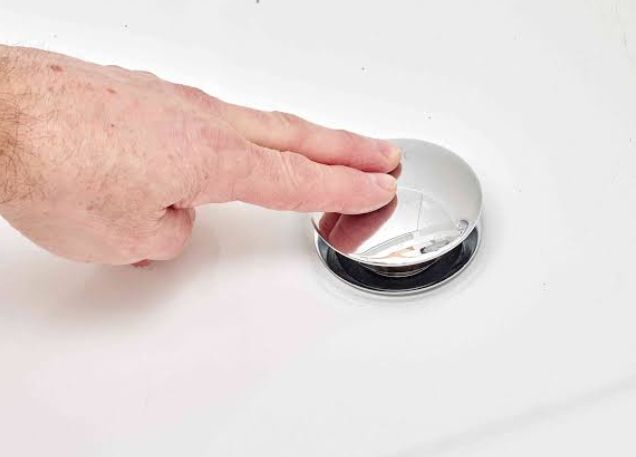
The Stopper No Longer Works Properly
A bathtub should hold water when required and release it efficiently afterward. A stopper that repeatedly fails may have worn or damaged components.
Moisture Appears Where It Should Not
Unexpected moisture around or beneath a bathtub deserves prompt investigation because the source should be identified before surrounding materials are affected.
Why Slow Drainage Still Matters
Even when the physical drain assembly is healthy, accumulated hair can create frustrating bathtub problems.
Hair easily combines with soap film and oils, forming dense material around the drain opening and inside the pipe.
A suitable hair catcher can significantly reduce the amount entering the plumbing.
Inspect Before Deciding on Replacement
Replacing components unnecessarily is not useful. The first step should be determining whether the problem involves an obstruction, the drain hardware, or another part of the drainage system.
A local bathtub drainage specialist can assess persistent symptoms when the cause is not obvious.
This distinction is particularly important when cleaning restores water flow but other problems, such as loose components or poor stopper operation, remain.
Protect the New Drain After Installation
Once a drain assembly is functioning properly, preventive habits can help keep it that way.
Catch Hair Before It Enters
Use a suitable drain screen and remove collected hair frequently.
Monitor Drainage Speed
If the tub starts emptying more slowly, address the change early. Waiting for complete blockage gives hair and residue additional time to accumulate.
Keep Unsuitable Materials Away
Bathtub drains are intended primarily for wastewater. Avoid allowing unnecessary objects or debris to enter the opening.
Regular Observation Makes Maintenance Easier
Homeowners do not need specialized knowledge to notice changes. Pay attention to how quickly the bathtub empties, whether the stopper operates smoothly, and whether any unexpected moisture appears.
Small changes can provide useful early warnings.
See also: The Benefits of a Pest Control Subscription for Homeowners
Conclusion
Not every slow bathtub requires new hardware, and not every drain problem can be solved by removing hair. Determining whether the issue involves buildup or a deteriorated component is the key first step. When physical wear or persistent functional problems are present, appropriate bathtub drain replacement can restore dependable operation while good maintenance habits help protect the drainage system afterward.