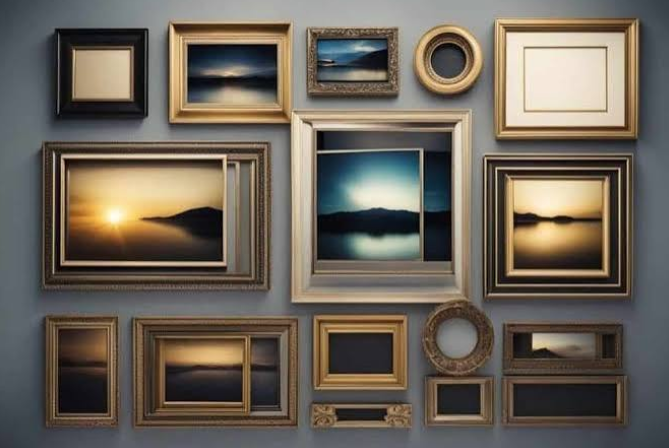
The art of framing large photographs presents unique challenges that require professional insight and expertise. Large-scale photographs, while impactful and visually appealing, demand careful handling and consideration in order to preserve their aesthetic value and ensure their longevity. This article delves into the common challenges associated with framing large photographs and provides expert solutions to address these issues effectively.
The Importance of Proper Support
One of the primary challenges when framing large photographs is providing adequate support to prevent the artwork from warping or bowing. Without proper support, the photograph may sag over time, resulting in a distorted appearance. To counteract this, experts recommend using sturdy materials for the frame, such as hardwood or metal, to offer strong structural support.
Choosing Suitable Materials
Selecting the right materials is critical for both the frame itself and the backing. Archival-quality materials are essential to prevent any chemical reactions that could potentially degrade the photograph. Materials that are acid-free and lignin-free are ideal for the backing to ensure that the photograph remains in pristine condition over the years.
Glass Options and Considerations
The glass or acrylic used in framing plays a crucial role in protecting the photograph from environmental factors such as moisture, dust, and UV light. Non-reflective glass can be an excellent option to reduce glare, making the photograph easier to view from different angles. For larger photographs, lightweight acrylic might be preferable due to its lighter weight, which can be beneficial when the frame is mounted on a wall.
Handling and Transportation Challenges
Handling and transporting large photographs require specific techniques to avoid damage. Professional picture framers emphasise the importance of wearing gloves to prevent fingerprints and using appropriate packaging materials to shield the photograph from impact during transit. Establishing a secure method of transportation, possibly involving custom-sized packaging, can further safeguard the artwork.
Mounting Techniques
Mounting a large photograph must be done with precision to ensure that it remains flat and securely attached within the frame. Mounting techniques may vary depending on the size and weight of the photograph, with methods such as dry mounting or using a pressure-sensitive adhesive being popular choices among picture framing professionals.
Mitigating Environmental Factors
Large photographs framed for display must be protected from environmental factors such as humidity, temperature changes, and exposure to light. Using UV-protective glazing and ensuring the display area is climate-controlled can significantly extend the lifespan of the photograph and maintain its original vibrancy.
Balancing Aesthetics and Functionality
The visual appeal of the frame must complement the photograph while maintaining its functional purpose. Selecting a frame that provides a harmonious balance between aesthetics and functionality can enhance the overall presentation of the large photograph. Picture framers play a crucial role in advising clients on the most suitable frame choices for their artwork.
Cost Considerations
Framing large photographs can be a significant investment, and it is crucial to consider the costs associated with materials, labour, and any customised services required. Engaging with professional picture framers can offer valuable guidance on cost-effective solutions without compromising the quality and integrity of the artwork.
Expert Advice and Collaboration
Consulting with experienced framers is often beneficial when dealing with large photographs. Their expertise in selecting suitable materials, understanding the challenges involved, and properly executing the framing process is invaluable. Collaboration between the client and framers ensures that both aesthetic vision and practical requirements are achieved.
Innovations in Framing Techniques
Recent advancements in framing technology have introduced innovative techniques that address many of the traditional challenges of framing large photographs. These innovations include improved mounting systems, climate-control solutions for display environments, and enhanced protective coatings that help preserve the artwork.
Customised Solutions for Unique Needs
Each large photograph may present distinct challenges, making customised solutions essential. Professional framers can tailor their services to meet the specific needs of each piece, ensuring both protection and presentation are optimised for the individual artwork.
Maintenance and Care
Once a large photograph is framed, ongoing maintenance is crucial to preserve its condition. Regular cleaning with suitable materials, periodic inspections for signs of wear, and preventive measures against environmental exposure will ensure that the framed photograph remains in excellent condition over time.
Choosing the Right Framing Professional
When it comes to framing large photographs, choosing a reputable and experienced framer is paramount. Professionals with a proven track record in managing large-scale artwork can provide invaluable advice and service, ensuring the photograph not only looks stunning but is also well-protected.
Final Thoughts
Framing large photographs is an intricate process that combines artistic sensibility with technical skill. By addressing the challenges with expert solutions, photographers and art collectors can ensure their prized pieces are beautifully displayed and preserved for future enjoyment. With the right approach and professional help, the difficulties of framing large photographs can be skilfully managed.