A healthy, complete smile plays an important role in your confidence, appearance, and overall oral health. However, missing teeth can make everyday activities such as eating, speaking, and smiling more challenging. Fortunately, modern dentistry offers several tooth replacement options to restore both function and appearance. One popular option for replacing multiple missing teeth is a dental implant-supported bridge.
Bridge dental implants combine the stability of dental implants with the functionality of a dental bridge. This treatment can help restore gaps caused by missing teeth without requiring an individual implant for every missing tooth. Depending on your oral health and treatment needs, it may provide a durable, natural-looking solution for rebuilding your smile.
In this guide, we will explore how implant-supported bridges work, their benefits, the treatment process, and the factors to consider before choosing this restorative dental option.
What Are Bridge Dental Implants?
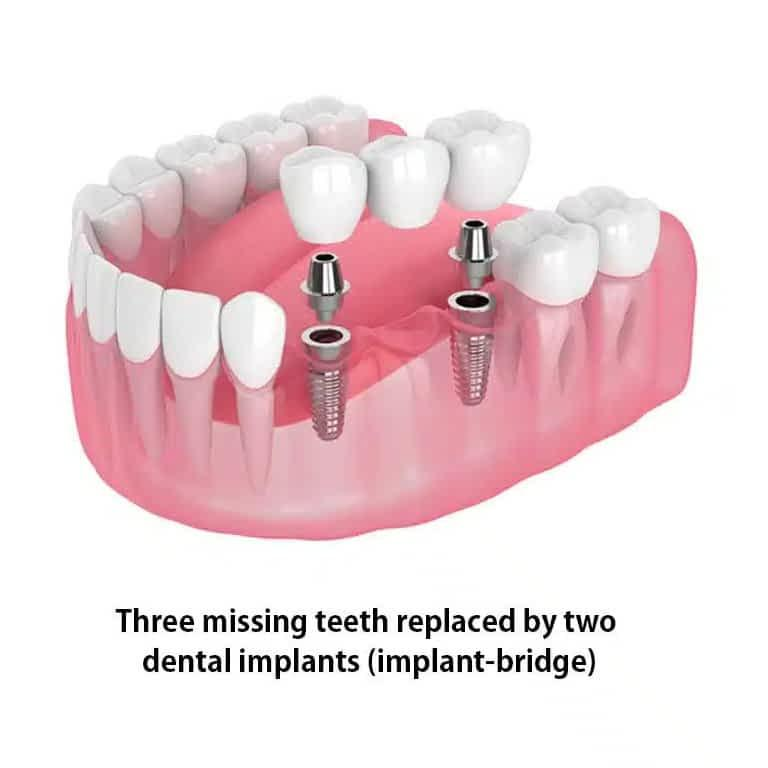
Bridge dental implants are a tooth replacement solution that uses dental implants to support a bridge of artificial teeth. Unlike traditional dental bridges, which generally rely on neighbouring natural teeth for support, implant-supported bridges are anchored to implants placed in the jawbone.
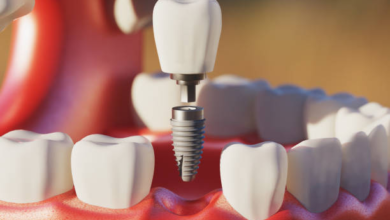
Dental implants act as artificial tooth roots, while the bridge replaces the visible portions of missing teeth. Together, these components help restore the appearance and function of your smile.
This treatment may be suitable for people who have lost several adjacent teeth and want a stable alternative to removable dentures or a conventional dental bridge.
How Do Implant-Supported Bridges Work?
The treatment generally involves three main components:
- Dental implants: Small posts, commonly made from titanium or other biocompatible materials, that are placed in the jawbone.
- Abutments: Connectors that attach the replacement teeth to the implants.
- Dental bridge: A series of artificial teeth designed to fill the gap left by missing natural teeth.
The implants gradually integrate with the surrounding bone through a process called osseointegration. Once healing and integration are sufficient, the dental bridge can be attached to restore the missing teeth.
Benefits of Bridge Dental Implants
Implant-supported bridges offer several potential benefits for patients who need to replace multiple missing teeth. The suitability and results depend on individual oral health, bone condition, and treatment planning.
1. Restore Your Smile’s Appearance
Missing teeth can affect the balance and appearance of your smile. Implant-supported bridges are designed to resemble natural teeth in shape, colour, and proportion.
A properly planned restoration can help fill visible gaps and create a more balanced appearance. The replacement teeth can also be customised to complement your facial features and remaining teeth.
2. Improve Chewing and Speaking
Gaps in your teeth can make chewing certain foods uncomfortable and may affect speech. A stable implant-supported bridge can help restore chewing efficiency and support clearer speech.
Unlike removable dentures, an implant-supported bridge is fixed in place. This can provide greater stability during everyday activities, although adjustment may be needed after treatment.
3. Help Maintain Jawbone Health
When a natural tooth is lost, the jawbone in that area may gradually shrink because it no longer receives stimulation from the tooth root.
Dental implants transfer functional forces to the surrounding bone and can help preserve bone in the areas where they are placed. However, bone changes can still occur around implants, and regular dental care remains essential.
4. Avoid Using Healthy Teeth for Support
Traditional dental bridges often require reshaping the neighbouring teeth to support the replacement teeth.
An implant-supported bridge generally relies on implants rather than adjacent natural teeth. This can help preserve healthy neighbouring teeth, depending on the treatment plan.
5. Offer Long-Term Functionality
Dental implant-supported bridges can provide long-lasting tooth replacement when they are appropriately planned, maintained, and monitored.
Their longevity depends on factors such as oral hygiene, gum health, smoking habits, bite forces, and regular professional care. Although implants can last many years, the bridge or its components may require maintenance or replacement over time.
Who Is a Good Candidate for Bridge Dental Implants?
Not everyone with missing teeth is automatically a suitable candidate for implant-supported treatment. A dentist will evaluate your oral health and medical history before recommending the procedure.
You may be a potential candidate if you:
- Have several missing teeth, particularly in a row.
- Have healthy gums or gum disease that has been appropriately treated.
- Have sufficient jawbone to support dental implants, or may be eligible for bone grafting.
- Can maintain good oral hygiene and attend regular dental check-ups.
- Have medical conditions that are appropriately managed for implant surgery.
Certain factors, including uncontrolled diabetes, tobacco use, active gum disease, and some medications or medical conditions, may affect healing or treatment success. These factors do not always rule out treatment, but they should be discussed with your dentist.
The Bridge Dental Implant Procedure: What to Expect
Receiving an implant-supported bridge usually involves several stages. The exact timeline varies depending on the number of missing teeth, bone condition, and whether additional procedures are necessary.
Step 1: Initial Consultation and Assessment
Your dentist will examine your teeth and gums, review your medical history, and assess your bite. Dental X-rays or three-dimensional imaging may be recommended to evaluate bone volume and identify suitable implant positions.
Based on these findings, the dentist will develop a personalised treatment plan.
Step 2: Dental Implant Placement
During implant surgery, the implants are placed into the jawbone under appropriate local anaesthesia, with sedation available in selected cases.
After placement, the implants generally need time to integrate with the bone. This healing period may take several months, depending on individual circumstances.
Step 3: Attaching the Dental Bridge
Once the implants are sufficiently stable, the dentist attaches the custom-made bridge. In selected cases, a temporary restoration may be provided during healing.
The final bridge is adjusted to ensure a comfortable bite, suitable appearance, and proper fit.
Step 4: Follow-Up and Maintenance
After treatment, your dentist will monitor healing and check the condition of the implants, gums, and bridge. Follow-up appointments help identify potential problems early and support long-term oral health.
Bridge Dental Implants vs. Traditional Dental Bridges
Both options can replace missing teeth, but they differ in how they are supported.
A traditional dental bridge usually relies on natural teeth next to the gap. An implant-supported bridge uses dental implants placed in the jawbone for support.
Implant-supported bridges may help preserve neighbouring teeth and provide stability without relying on them. However, they involve surgery, require sufficient bone or additional procedures, and may take longer to complete.
Traditional bridges may be appropriate when neighbouring teeth already need crowns or when implant surgery is unsuitable. The best option depends on your oral health, budget, preferences, and long-term goals.
How to Care for Bridge Dental Implants
Good oral hygiene is essential for protecting your restoration and the surrounding gum tissue. Although implant-supported teeth cannot develop cavities like natural teeth, the tissues around implants can develop inflammation and infection.
To maintain your dental bridge:
- Brush twice daily using a soft-bristled toothbrush.
- Clean carefully beneath the bridge using suitable interdental brushes or specialised floss.
- Attend regular dental examinations and professional cleanings.
- Avoid biting hard objects that may damage the restoration.
- Avoid tobacco products and seek advice if you grind or clench your teeth.
Contact your dentist if you notice persistent bleeding, swelling, discomfort, a loose bridge, or changes in your bite.
What Is the Cost of Bridge Dental Implants?
The cost varies depending on the number of implants and replacement teeth required, the materials used, the complexity of surgery, and the need for additional procedures such as bone grafting.
Your overall treatment plan may also include imaging, temporary teeth, follow-up appointments, and maintenance.
Before starting treatment, request a detailed estimate that explains what is included in the quoted price. Comparing treatment plans based on quality, suitability, and long-term care can help you make an informed decision.
Conclusion
Bridge dental implants offer a modern approach to replacing multiple missing teeth while restoring chewing function, smile appearance, and stability. By combining dental implants with a connected set of artificial teeth, this treatment can provide an alternative to traditional bridges and removable dentures for suitable patients.
However, successful treatment depends on careful planning, healthy surrounding tissues, appropriate implant placement, and consistent maintenance.
If you are considering Bridge Dental Implants, consult a qualified dental professional to determine whether this option suits your needs. A personalised assessment can help you understand the available treatments, expected timeline, potential risks, and long-term maintenance requirements before making a decision.