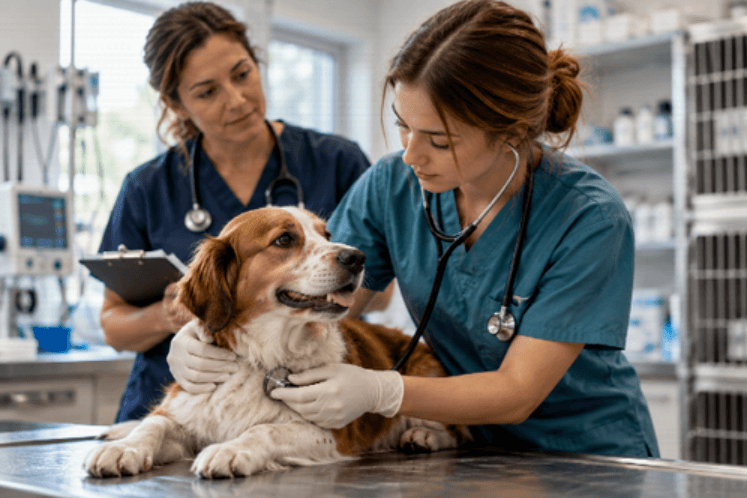
You may have reached the point where your dog cannot settle, your cat has started hiding or spraying, and home advice from videos, friends, or message boards has only made you feel more unsure. That kind of stress wears on you fast. Behavioral problems do not stay neatly in one corner of the house. They affect sleep, routines, safety, and the bond you have with your pet. If you are looking for reliable veterinary care in Jackson County FL, getting professional support can help you better understand what your pet is experiencing and what steps to take next.
How Animal Hospitals Handle Behavioral Consultations comes down to one basic idea. They do not treat behavior as “bad” behavior. They look for causes, patterns, triggers, and medical issues that may be feeding it. A behavior visit is usually part detective work, part medical assessment, and part practical planning. The goal is not to blame you or force your pet into obedience. The goal is to understand what is happening and give you a plan that your household can actually follow.
Behavioral consultations at animal hospitals begin with the full picture
When pets act out, people often assume the issue is training alone. Sometimes it is not. Pain, digestive problems, skin disease, hormone changes, cognitive decline, and fear can all show up as aggression, house soiling, pacing, vocalizing, or destructive behavior. That is why many hospitals approach pet behavior consultations as both a medical and behavioral issue.
A typical visit starts before you even arrive. You may be asked to fill out a long history form, list medications, describe the behavior in detail, and share videos from home. That can feel excessive when you are already overwhelmed, but those details matter. A dog who growls only when touched after resting suggests one kind of problem. A dog who lunges at strangers on walks suggests another. A cat that stops using the litter box after a move tells a different story than a cat who strains to urinate.
At teaching hospitals and specialty centers, behavior services often review the pet’s environment, daily schedule, diet, past training methods, and the exact sequence of events before and after the behavior. Cornell’s animal behavior service reflects this type of structured evaluation, where medical and emotional factors are considered together.
Animal behavior evaluations often uncover more than one problem
This is where many owners feel stuck. You may have one problem in mind, like barking, biting, or litter box accidents, but the consultation may reveal several layers underneath. A fearful dog might also be sleep deprived, under exercised, and reacting to a painful ear infection. A cat that scratches furniture may also be anxious around another pet and lacking safe vertical space. The behavior you see is often only the surface.
That is also why quick fixes fail so often. Punishment can suppress warning signs without changing the fear behind them. Waiting too long can make patterns harder to undo. A dog that first stiffens, then growls, then snaps has usually been communicating discomfort for a while. A cat that starts eliminating outside the box may be dealing with stress, arthritis, cystitis, or all three.
Hospitals that offer veterinary behavior services usually build a treatment plan around management, safety, medical care, behavior modification, and follow up. Tufts outlines this process for new behavior clients, including history review and tailored recommendations instead of one size fits all advice.
Behavior medicine at animal hospitals blends training with medical care
Many people worry that a behavior consultation means medication right away. Sometimes medication is part of the plan, but not always, and when it is used, it is usually one tool among several. If a pet is too anxious to learn, medication can lower the intensity enough for training and environmental change to work. If pain is driving reactivity, treating pain may be the first step. If a senior pet is restless at night, cognitive support may matter more than stricter routines.
Ohio State’s behavioral medicine service is one example of this integrated model. The point is not to label a pet as difficult. The point is to improve function, reduce risk, and give the animal a fair chance to feel safe.
You will often leave with instructions that sound simple but require consistency. Change feeding patterns. Add escape routes for the cat. Stop putting the dog in situations that trigger panic. Use rewards with precise timing. Separate pets during certain parts of the day. Track incidents in a log. These are not dramatic steps, but they are often the ones that move things forward.
Home management and hospital care serve different purposes
| Approach | What It Can Help With | Limits | Best Use |
| DIY training and routine changes | Mild barking, basic manners, enrichment needs, predictable habits | May miss pain, anxiety disorders, fear aggression, litter box disease | Early support for low risk issues |
| General veterinary visit | Rules out common medical causes, checks for pain or illness | Limited time for full behavior history and long term behavior planning | First step when behavior changes suddenly |
| Animal hospital behavioral consultation | Fear, aggression, separation distress, compulsive behavior, house soiling, multi pet conflict | Requires time, follow through, and sometimes multiple visits | Moderate to severe or ongoing behavior problems |
If the behavior includes biting, repeated house soiling, self injury, or extreme fear, hospital based behavior care is usually the safer route. The cost can feel hard to justify at first, especially when the issue has been building for months, but delayed care often leads to more damage, more risk, and more failed attempts that leave everyone discouraged.
Three steps you can take before a behavioral consultation
Start a behavior log. Write down what happens before, during, and after each incident. Include time of day, people present, other animals, noises, food, touch, location, and how long the episode lasts. Patterns show up faster on paper than in memory.
Record short videos safely. Do not provoke the behavior. If it happens naturally, a short clip can help the hospital see body language you might not notice, like freezing, lip licking, stalking, or avoidance.
Reduce exposure to triggers. If your dog reacts to strangers, create distance on walks. If your cat is fighting with another pet, separate them and protect resources like food, litter boxes, and resting areas. Management is not giving up. It prevents rehearsal of the problem while you wait for help.
See also: How Residential Drug Rehabilitation Helps Rebuild Health, Routine and Relationships
Behavior consultations can change the direction of life at home
When a pet’s behavior shifts, daily life can start to feel tense and small. You begin planning the house around outbursts, accidents, or fear. That does not mean you have failed. It means the problem is bigger than guesswork, and it deserves proper care. Animal hospitals handle behavioral consultations by looking at the whole animal, the whole home, and the whole pattern, then building a plan that is realistic for both of you.
If your pet’s behavior has become hard to manage, reach out to Cat And Dog Animal Hospital and ask about behavior support or a referral for a formal consultation. Getting clear answers is often the first real relief you have felt in a while.