You deserve a mouth that feels clean and pain free every day. Good oral hygiene is not fancy. It is a steady routine that protects you from cavities, bleeding gums, and costly treatment later. This guide walks you through the basics. You learn how to brush the right way. You learn how to floss without hurting your gums. You also learn what else you can do, like using mouthwash, cleaning your tongue, and watching what you eat and drink. Each step is simple. Each step matters. You can start today with what you already have at home. Then you can ask your dentist what to change at your next visit. For more support and clear examples, you can visit suncreekdental.com and use this guide as a daily checklist. Your mouth is part of your whole body. When you care for it, you protect your health, your speech, and your confidence.
Why oral hygiene matters for your whole body
Oral germs do not stay in your mouth. They can enter your blood and affect your heart and lungs. They can also make blood sugar control harder for people with diabetes. The Centers for Disease Control and Prevention explains that untreated cavities and gum disease are common in both children and adults. You can read more at the CDC Oral Health page at https://www.cdc.gov/oralhealth/index.html.
Three main goals guide your care.
- Remove sticky plaque every day.
- Strengthen teeth with fluoride.
- Protect gums from swelling and bleeding.
When you keep plaque off your teeth, you lower your risk of pain, infection, and tooth loss. You also keep your breath more pleasant for you and your family.
See also: How Lifestyle Coaching Has Become Part Of Cosmetic Dentistry
Brushing basics you can trust
Brushing is your first line of defense. You do not need fancy tools. You only need the right technique and steady habits.
- Brush twice a day for two minutes each time.
- Use a soft bristle brush.
- Use a pea sized amount of fluoride toothpaste.
Hold the brush at a slight angle toward the gumline. Use small gentle strokes. Clean the front, back, and chewing surfaces of every tooth. Do not scrub hard. Firm scrubbing can wear down enamel and irritate gums.
If you use an electric brush, let the head do the work. Move it slowly from tooth to tooth. Pause at each tooth. Reach the back molars where plaque often hides.
Flossing without fear
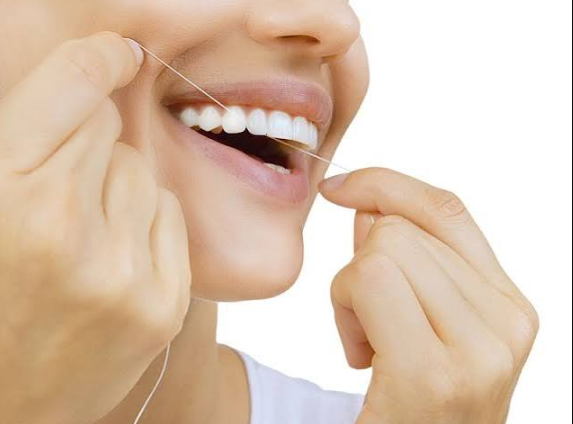
Brushing cleans the surfaces you can see. It does not clean the tight spaces between teeth. That is where floss comes in. Daily flossing breaks up plaque before it hardens into tartar.
Follow three simple steps.
- Use about 18 inches of floss. Wrap most of it around your middle fingers.
- Guide the floss between teeth with a gentle sawing motion. Do not snap it into the gums.
- Curve the floss into a C shape against each tooth. Move it up and down under the gumline.
A small amount of bleeding during the first week is common. It often means your gums are inflamed. Keep going unless your dentist tells you to stop. As the swelling eases, the bleeding often stops.
If string floss is hard to handle, you can use floss picks or small interdental brushes. The American Dental Association gives clear tips on brushing and flossing at https://www.mouthhealthy.org/en/oral-hygiene.
Brushing and flossing compared
| Habit | Main purpose | How often | Common mistake |
| Brushing | Clean tooth surfaces and add fluoride | Two times per day for two minutes | Brushing too fast or too hard |
| Flossing | Clean between teeth and under gums | One time per day | Snapping floss and skipping back teeth |
Beyond the basics
Once brushing and flossing feel steady, you can add a few more steps. These help you reach spots that your brush and floss might miss.
- Mouthwash with fluoride. Rinse once a day after brushing. Do not swallow it. Wait 30 minutes before eating or drinking.
- Tongue cleaning. Gently brush your tongue from back to front. You can also use a tongue scraper. This reduces odor causing germs.
- Chewing sugar free gum. Chew for 20 minutes after meals when you cannot brush. This boosts saliva, which protects teeth.
If you have braces, implants, or partial dentures, you may need extra tools. These can include special brushes or threaders. Your dentist or hygienist can show you how to use them without guesswork.
Food, drinks, and your teeth
What you eat and drink can either shield your teeth or wear them down. Sugar feeds the germs that cause cavities. Acidic drinks can erode enamel.
Use this simple guide.
| Choice | Effect on teeth | Better habit |
| Sugary drinks like soda and sports drinks | Raise cavity risk | Choose water or plain milk most of the time |
| Sticky snacks like fruit snacks or caramels | Stick to teeth and feed germs | Eat fresh fruit and nuts |
| Frequent sipping or grazing all day | Keeps teeth under constant acid attack | Have set meal and snack times |
Try to finish sweets with a meal instead of as constant snacks. Then drink water to rinse your mouth. This one shift can protect both children and adults.
Regular dental visits as part of your routine
Home care is strong. It is not enough alone. Professional cleanings reach tartar that brushing and flossing cannot remove. Regular exams also catch small problems early, before they turn into emergencies.
Most people should
- See a dentist every six months for a cleaning and checkup.
- Tell the dentist about pain, loose teeth, or sores that do not heal.
- Ask about sealants for children and fluoride treatments when needed.
Children should see a dentist by their first birthday or within six months of the first tooth. Early visits help your child feel safe and build steady habits.
Creating a simple family plan
Change happens when you turn small steps into a routine. You can.
- Set a morning and night brushing time for the whole family.
- Use a timer or song to reach two minutes.
- Keep floss where you can see it, next to your toothbrush.
If you miss a day, do not give up. Start again at the next brushing time. Each day you care for your mouth, you lower your risk of pain and protect your health. Your smile, your speech, and your daily comfort are worth that steady effort.