For decades, a solid foundation meant digging a hole, pouring concrete and waiting for it to cure. That approach still works, but it is slow, messy and hard to undo. A ground anchor system offers a different way to fix structures to the ground: a steel screw or driven anchor that twists into the soil and holds firm without a single bag of cement. From solar panel arrays to garden rooms and fencing, they are changing how small and medium structures are founded. This article explains how they work, where they shine and what to consider before choosing one.
What Is a Ground Anchor System?
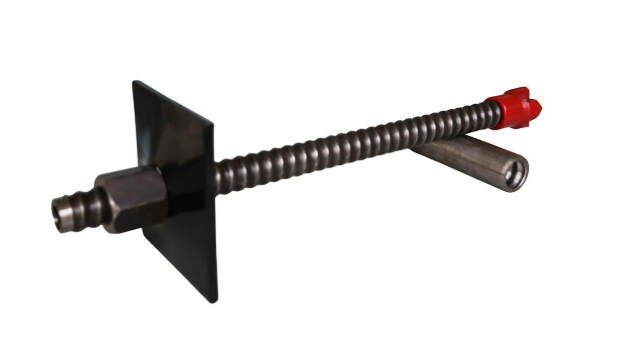
A ground anchor system is a set of steel anchors, usually screw-shaped, driven or screwed into the ground to hold a structure in place. Each anchor has a helical blade or screw thread that bites into the soil as it turns, and a shaft that connects to the structure above through a bracket. Once installed, the anchor resists uplift from wind, sideways loads and the weight of the structure itself.
The idea is simple, but the engineering is careful. The size and shape of the anchor, the depth it reaches and the type of soil all affect how much load it can carry. A well-designed ground anchor system is matched to the ground conditions on the site, so the anchors hold firmly in normal soil, clay or gravel. Installed with hand tools or a small machine, there is no excavation, no spoil to remove and no concrete to mix.
Where Ground Anchors Work Best
Ground anchor systems suit a wide range of structures. Solar panel arrays are a natural fit, since installers can set out a whole field of anchors in a day without waiting for concrete to cure. Fencing, pergolas, decking, garden rooms, carports and flagpoles all benefit from the same speed and simplicity. They also suit sloping or awkward sites where digging foundations would be difficult, and sites where the structure may move one day.
Temporary and seasonal structures are another strong use. A marquee, a site cabin or a temporary fence can be anchored firmly and removed later, leaving the ground almost untouched. That reversibility is hard to match with concrete, which leaves a lump of buried material behind when the structure is gone.
Speed, Cost and Site Impact
The biggest practical advantage of a ground anchor system is speed. A concrete foundation needs excavation, formwork, a pour and days of curing before work can continue. Anchors can be installed and loaded on the same day, which shortens the programme and reduces labour costs. There is also no need for a concrete lorry to reach the site, which matters on rural plots and gardens with limited access.
The site impact is far smaller too. Installing anchors disturbs only a small patch of ground at each point, so lawns, planting and existing surfaces stay largely intact. There is no dust from mixing, no spoil heap and no waiting around for deliveries. For homeowners and small contractors, that cleaner, quieter process is often as valuable as the time saved.
Getting the Design Right
A ground anchor system is only as good as its design. The first step is understanding the soil. Soft, loose ground needs longer or wider anchors than firm clay, and very rocky ground may not suit screw anchors at all. A soil survey or trial installation can confirm what the ground will support, and a responsible supplier will ask about soil conditions before recommending a size.
Loads matter too. Wind uplift on a solar array or a fence can be surprisingly strong, and the anchor must resist it with a margin. The layout of the anchors, their spacing and the brackets that connect them to the structure all form part of the design. Reputable suppliers provide load data and guidance on spacing, and ask about the structure and site before suggesting a ground anchor system.
5 Signs a Site Suits Ground Anchors
- Good access is limited: no room for a concrete lorry or an excavator.
- The programme is tight: anchors can be loaded the same day they are installed.
- The structure may move: anchors can be unscrewed and the ground restored.
- The ground is undisturbed: lawns, planting and paving stay largely intact.
- The soil is suitable: firm loam, clay or gravel that lets the screw bite and hold.
Installation in Practice
Installing a ground anchor system is straightforward but deserves care. Anchor positions are marked out, each anchor is screwed in with a hand bar, drive tool or small machine, and the bracket is fitted and levelled. Each anchor should be checked as it goes in: if it turns too easily, the soil may be softer than expected and a longer anchor may be needed. Once all anchors are in place, the structure is fixed to the brackets and the job is done.
One detail worth attention is levelling. Brackets usually allow some adjustment, so the structure can be set level even if the ground is uneven. Taking time over this step pays off in a finished structure that sits square and true.
Frequently Asked Questions
Can ground anchors be used in all soil types?
Most soils suit screw anchors, including loam, clay and gravel. Very soft, waterlogged ground or solid rock can be a problem, so a trial installation or soil check is wise before committing.
How long do ground anchors last?
Galvanised steel anchors are made to last for decades in normal ground conditions. The galvanised coating protects the steel, and the anchors can be inspected if the structure is ever lifted or moved.
Are ground anchors strong enough for a solar panel array?
Yes, when the system is designed for the site. The anchors are sized to resist wind uplift and the weight of the panels, with a safety margin built in.
See also: Revolutionising Medical Diagnostics with Advanced Imaging Technology
Final Thoughts
A ground anchor system trades the dig, pour and wait of concrete for a faster, cleaner and reversible foundation. It suits solar arrays, fencing, garden buildings and many other structures, especially where access is tight or the programme is short. Get the soil checked, size the anchors to the loads and install them carefully, and the ground itself becomes the foundation.