Missing teeth can affect more than the appearance of your smile. They may also make chewing difficult, influence speech, and reduce confidence in everyday social situations. Fortunately, modern dentistry offers several solutions for replacing missing teeth, including dental implants that provide a stable foundation for replacement teeth. Permanent Dental Implants are a popular option for people seeking a durable and natural-looking way to restore their smile.
Dental implants are designed to replace missing tooth roots and support artificial teeth, helping restore oral function and appearance. With appropriate treatment planning, good oral hygiene, and regular dental check-ups, implants can provide long-lasting results. Understanding how dental implants work, their benefits, and the treatment process can help you decide whether this tooth replacement option is suitable for your needs.
What Are Permanent Dental Implants?
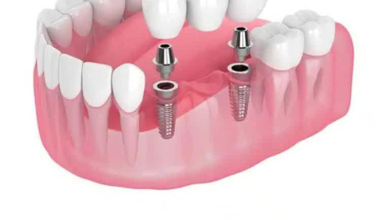
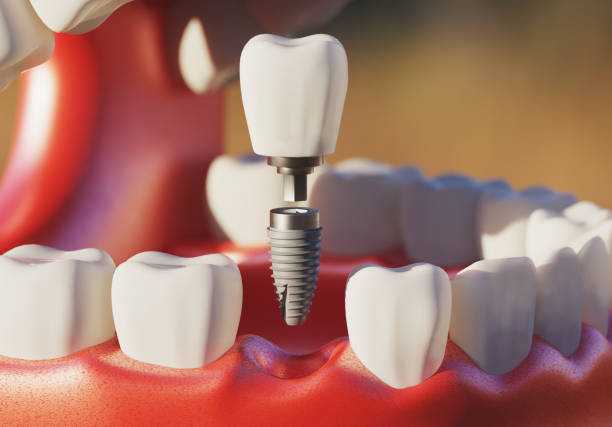
Permanent dental implants are small posts, usually made from titanium or another biocompatible material, that are surgically placed into the jawbone to act as artificial tooth roots. Once the implant integrates with the surrounding bone, it can support a dental crown, bridge, or implant-supported denture.
Unlike removable dentures, individual implant-supported teeth are designed to remain securely in place during everyday activities such as speaking and chewing. However, the exact treatment depends on how many teeth are missing and the condition of the patient’s mouth.
Dental implants are often used to replace a single missing tooth, several missing teeth, or an entire arch of teeth. A dentist evaluates the patient’s oral health and bone structure before recommending an appropriate treatment plan.
Although implants are commonly described as permanent, they are not guaranteed to last a lifetime. The implant itself and the replacement teeth may require maintenance or repair over time.
Key Benefits of Permanent Dental Implants
Choosing a suitable tooth replacement option can improve oral function and support long-term dental health. Dental implants offer several potential benefits when treatment is successful.
1. A Natural-Looking Smile
Dental implants can support custom-made crowns designed to complement the colour, shape, and size of surrounding teeth. This helps create a balanced appearance and can restore confidence when smiling, speaking, or interacting with others.
The final result depends on factors such as the position of the implant, the health of the gums, and the quality of the restoration.
2. Improved Chewing and Speaking
Missing teeth can make biting and chewing certain foods difficult. Gaps may also affect pronunciation in some individuals.
Implant-supported replacement teeth provide a stable structure that can improve chewing efficiency and speech compared with some removable alternatives. The degree of improvement varies according to the patient’s original dental condition and the type of restoration provided.
3. Support for Jawbone Health
After a natural tooth is lost, the jawbone in that area may gradually shrink because it no longer receives the same stimulation from the tooth root.
Dental implants transmit functional forces to the surrounding bone and can help reduce bone loss in the area where they are placed. However, they do not prevent all bone changes or replace the need for ongoing dental care.
4. Stability and Everyday Comfort
Because implants are anchored in the jawbone, they can provide a stable foundation for replacement teeth. This may reduce movement and discomfort associated with some removable dentures.
Once healing is complete and the final restoration is fitted, many patients can return to their usual eating and speaking routines, following their dentist’s instructions.
Who Is a Suitable Candidate for Dental Implants?
Dental implants can be appropriate for many adults who have lost one or more teeth. However, suitability depends on several important factors.
Healthy gums and sufficient jawbone are generally important for successful implant placement. Patients should also be able to maintain good oral hygiene and attend regular dental appointments.
Certain conditions may require additional assessment or treatment before implant surgery. These can include gum disease, uncontrolled diabetes, significant bone loss, and habits such as smoking that may affect healing.
Some patients may benefit from bone grafting or other preparatory procedures if there is insufficient bone to support an implant. Others may be better suited to dental bridges or removable dentures.
A comprehensive dental examination, which may include X-rays or three-dimensional imaging, helps determine whether implants are appropriate and what treatment may be required.
Understanding the Permanent Dental Implant Procedure
The implant process generally takes place over several stages. The timeline varies depending on oral health, bone quality, and whether additional procedures are needed.
Step 1: Initial Consultation and Assessment
The dentist examines the teeth, gums, and jawbone to assess oral health and identify potential concerns. Medical history, current medications, and lifestyle factors are also considered.
Based on this assessment, the dentist explains the available treatment options, likely costs, expected timeline, and potential risks.
Step 2: Implant Placement
During implant surgery, the dentist places the implant into the jawbone under appropriate anaesthesia. The procedure depends on the number and location of implants required.
After placement, the surgical area needs time to heal. Patients receive instructions on managing discomfort, maintaining oral hygiene, and choosing suitable foods during recovery.
Step 3: Healing and Bone Integration
Over the following weeks or months, the implant may gradually integrate with the surrounding bone through a process known as osseointegration.
This connection helps provide the stability needed to support the replacement tooth. Healing time differs between individuals, and some patients may require additional procedures before the next stage.
Step 4: Attaching the Replacement Tooth
Once the implant is sufficiently stable, a dental crown, bridge, or suitable denture restoration can be attached.
The dentist checks the fit, bite, and appearance of the replacement teeth to ensure they function comfortably. Follow-up appointments may be necessary to make adjustments and monitor healing.
How Long Do Permanent Dental Implants Last?
One of the main reasons people consider permanent dental implants is their potential for long-term use. With appropriate placement and ongoing care, dental implants can remain functional for many years.
However, their lifespan depends on several factors, including oral hygiene, gum health, smoking habits, general health, and the forces placed on the replacement teeth.
The implant post and the crown are also different components. While the implant itself may remain stable for a long time, the crown or other restoration can wear down, chip, or need replacement.
To support long-term results, brush twice daily with fluoride toothpaste, clean between your teeth, and attend regular dental check-ups. Your dentist may also recommend specialised cleaning tools or a night guard if you grind your teeth.
Early assessment of gum inflammation, discomfort, or implant looseness can help identify problems before they become more serious.

What Is the Cost of Permanent Dental Implants?
The cost of permanent dental implants varies according to the complexity of treatment and the type of restoration required. Replacing one tooth may involve different costs from replacing several teeth or a complete dental arch.
Factors that can influence the total price include:
- The number of implants required.
- The type and material of the replacement teeth.
- The need for tooth extraction or bone grafting.
- Diagnostic imaging and consultation fees.
- The complexity of surgery and follow-up care.
When comparing treatment estimates, ask for an itemised breakdown that explains what is included. Confirm whether consultations, imaging, temporary teeth, the final restoration, and follow-up appointments are covered.
Choosing treatment based on suitability, clinical expertise, and transparent pricing is more important than selecting an option based on cost alone.
How to Care for Your Dental Implants
Good daily care is essential for maintaining implants and protecting the surrounding gums.
- Brush your teeth twice daily using a soft-bristled toothbrush.
- Clean between your teeth and around the implant restorations every day.
- Attend regular dental examinations and professional cleaning appointments.
- Avoid smoking, which can increase the risk of implant complications.
- Seek dental advice if you notice swelling, bleeding, persistent pain, or movement around an implant.
- Follow your dentist’s recommendations if you grind your teeth or have other factors that may affect implant health.
Although an implant cannot develop tooth decay, the surrounding gums and bone can still become affected by inflammation or infection. Consistent oral hygiene is therefore essential.
Conclusion
Replacing missing teeth can improve chewing ability, speech, smile appearance, and everyday confidence. Permanent Dental Implants offer a durable tooth replacement option by providing a stable foundation for crowns, bridges, or implant-supported dentures.
The success of treatment depends on careful assessment, suitable implant placement, adequate healing, and long-term maintenance. Not everyone is an ideal candidate, so a professional dental consultation is essential to determine the most appropriate solution.
By understanding the procedure, potential benefits, costs, and aftercare requirements, patients can make informed decisions about restoring their smiles. With suitable treatment planning and consistent dental care, dental implants can provide reliable function and attractive results for many years.