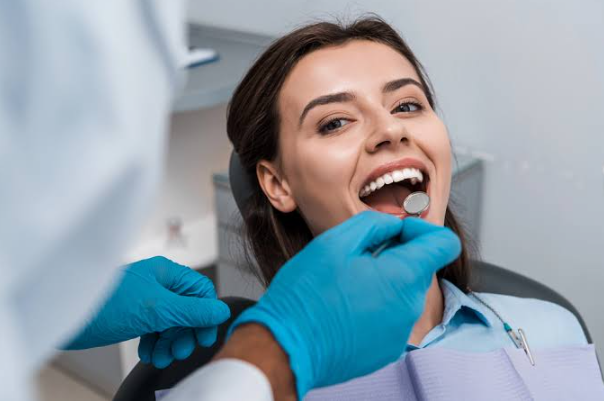
You brush, floss, book the appointment, and still feel like your smile never quite stays where you want it. Whitening fades faster than expected. Veneers chip because of grinding. Gum tissue gets irritated when stress runs high and sleep gets worse. That disconnect is where many people start to feel frustrated, and a prosthodontist in Torrance, CA can help connect those daily habits to lasting cosmetic results. You came in for cosmetic improvements, but the real obstacles were showing up in your daily habits long before you sat in the dental chair.
That is why lifestyle coaching has moved into cosmetic dentistry. A better smile is not only about shape, shade, or alignment. It is also about what you eat, how you sleep, whether you clench your jaw, how often you sip coffee or soda, and how consistently you care for your teeth at home. Modern cosmetic dental care often includes guidance on those patterns because they affect how long results last and how healthy your mouth stays.
Lifestyle coaching supports cosmetic dentistry by protecting your results
Cosmetic work can improve confidence fast, but long term success usually depends on behavior outside the office. Teeth whitening is a simple example. If you whiten your teeth and then return to frequent staining drinks without rinsing or using a straw, the brightness may not last. If you invest in bonding or veneers and grind at night, you may wear them down or crack them sooner than expected.
This shift toward lifestyle coaching in cosmetic dentistry is practical, not trendy. Dentists have always known that oral health and daily routine are linked. The difference now is that more practices talk about it openly and build it into treatment planning. A smile makeover is no longer treated like a one time event. It is managed more like an ongoing partnership.
You see this most clearly when the cosmetic concern is tied to a deeper pattern. Stained teeth may be linked to smoking, dry mouth, or frequent acidic drinks. Worn edges may come from stress clenching. Inflamed gums can make beautiful dental work look uneven, and gum health is often affected by brushing technique, smoking, blood sugar control, and missed cleanings. According to the CDC’s oral health tips for adults, habits such as brushing twice a day with fluoride toothpaste, cleaning between teeth, limiting sugary foods and drinks, and avoiding tobacco directly shape oral health outcomes.
See also: How to Combine Pilgrimage and Wildlife Experiences on a Nepal Trip from India
Cosmetic dental care now addresses habits, stress, and daily routines
Many people think of cosmetic treatment as separate from health, but that line is thin. A brighter smile often depends on healthy enamel, stable gums, and a bite that is not constantly under strain. If a patient wants clear aligners, whitening, veneers, or bonding, the dentist may also ask about sleep, diet, medications, smoking, and stress. That is not overreach. It is how good work lasts.
Stress is one of the biggest reasons this change matters. You may not notice how often you clench your jaw while driving, working, or sleeping. Then headaches start, front teeth flatten, and small cracks appear. A person may ask for cosmetic repair when the real issue is repeated pressure. In those cases, treatment may include a night guard, bite evaluation, and coaching around sleep routines and stress awareness. The cosmetic fix alone would only treat the surface.
Nutrition also matters more than most people expect. Frequent snacking, sports drinks, acidic foods, and low water intake can all affect enamel and gum tissue. The biology behind this is well established. The NCBI overview of oral health explains how oral disease is shaped by factors such as diet, hygiene, tobacco, alcohol, and access to preventive care. When dentists talk about lifestyle now, they are responding to evidence, not adding fluff to the visit.
Professional guidance works better than cosmetic treatment without habit changes
People often assume the best cosmetic option is the one with the fastest visible result. That can backfire when the daily cause stays in place. A person who wants repeated whitening every few months may actually need help reducing stain exposure and treating dry mouth. Someone asking for veneer replacement may need a night guard and bite support first. This is where smile enhancement and lifestyle guidance starts to make sense.
| Approach | Short Term Result | Long Term Outcome | Common Risk |
| Cosmetic treatment alone | Fast visible improvement | Results may fade or fail sooner | Repeat costs if habits stay the same |
| Cosmetic treatment with lifestyle coaching | Visible improvement plus prevention plan | Better durability and oral health support | Requires follow through at home |
| Over the counter cosmetic products only | Lower upfront cost | Uneven or limited improvement | Missed diagnosis of grinding, gum disease, or enamel loss |
The financial side matters too. Cosmetic dentistry can be a real investment, and most people do not want to pay twice for work that could have lasted longer with a few targeted changes. Coaching helps reduce preventable damage. It also gives patients a clearer sense of control, which matters when cosmetic dentistry feels intimidating or expensive.
Small daily changes can protect general and cosmetic dentist treatment
Track the habits that affect your smile. For one week, notice what stains your teeth, when your mouth feels dry, whether you wake with jaw tension, and how often you snack or sip acidic drinks. Patterns show up fast when you write them down.
Ask for a maintenance plan, not only a procedure. If you are considering whitening, bonding, veneers, or aligners, ask what daily routines will protect the result. A good plan may include home care changes, cleaning frequency, fluoride support, or a night guard.
Fix the cause before repeating the cosmetic fix. If the same issue keeps coming back, look deeper. Recurrent stains, chips, sensitivity, or gum irritation usually point to something ongoing. Addressing the source often saves money and preserves your natural teeth.
A healthier routine makes cosmetic dentistry more successful
The rise of lifestyle coaching in cosmetic dentistry reflects a simple truth. Your smile lives with you between appointments. What you do every day affects what any treatment can achieve. When a dentist talks with you about sleep, stress, smoking, diet, or hydration, that is part of better care, not a side topic.
If you are thinking about improving your smile, look for a general and cosmetic dentist who treats the full picture. The best cosmetic result is not only the one that looks good when you leave. It is the one that still works for your life months and years later.